
Invertebrate
Forbes's Sea Star
Asterias forbesiAlso known as Forbes Sea Star
Forbes's sea stars patrol rocky shorelines and shallow bays along the western Atlantic, using hundreds of hydraulic tube feet to glide across substrates in search of mollusks. When encountering an oyster or mussel, the star wraps its arms around the shell, applies steady suction to pry the valves apart, and everts its stomach directly into the prey to digest it alive. A prominent, bright orange madreporite near the center of the upper disc helps distinguish this echinoderm from other regional sea stars.
MarineInvertebrateCarnivorous
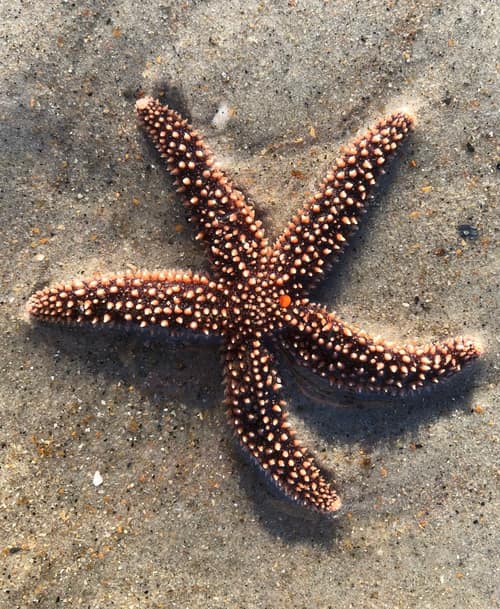
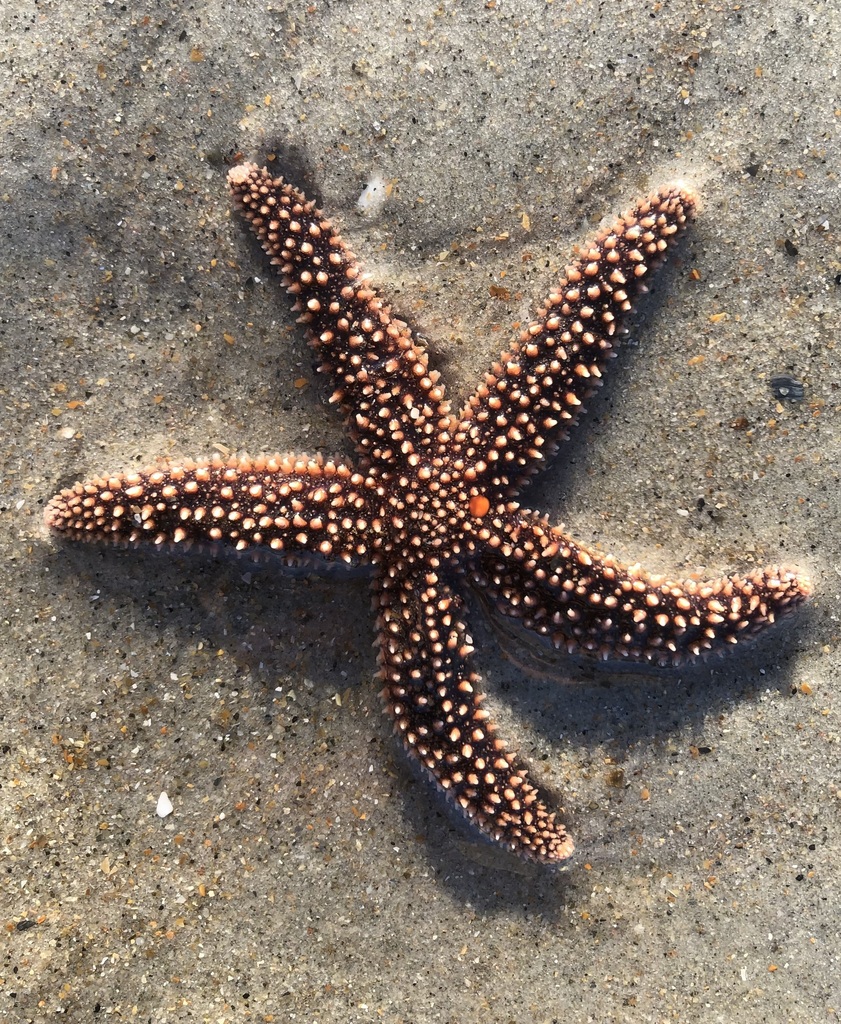
—observations
—countries
—peak records
Not EvaluatedConservation statusIUCN Red List categoriesLCNTVUENCREWEXNot Evaluated — not placed on the risk ladderRed List categories, explained →
Diet & preyEastern Oyster, Blue Mussel, Hard Clam
Predators
- Herring Gull
- Rock Crab
- Winter Flounder
ThreatsSea star wasting syndrome, warming waters, habitat disturbance, and coastal runoff
HabitatsRocky intertidal pools, shallow subtidal reefs, oyster bars, and muddy or sandy flats
Life span5–10 years
Classification
- FamilyAsteriidae
- SpeciesAsterias forbesi
Range data is not available yet.
Interaction riskLow
- Low
- Moderate
- High
- Very high
- Why interaction risk is low
- Safe to observe at a normal distance.
Responsible observation
- Tide pool viewing: Look along shaded crevices and pilings at extreme low tide without removing the animal from the water.
- Do not pull: Avoid pulling clinging individuals off surfaces, which tears their hydraulic tube feet.
- Identification mark: Look for a distinctive bright orange sieve plate on the central upper body.
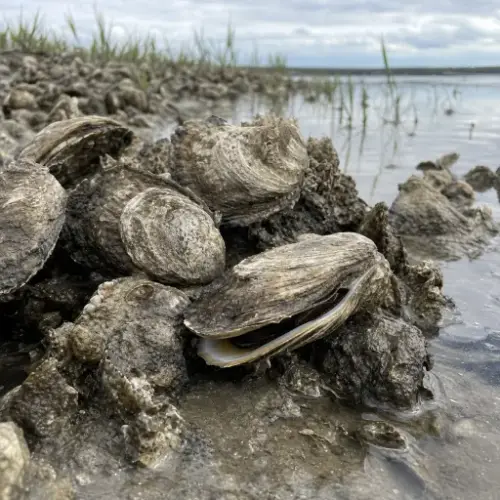
Prey Unknown / CC-BY · cc-by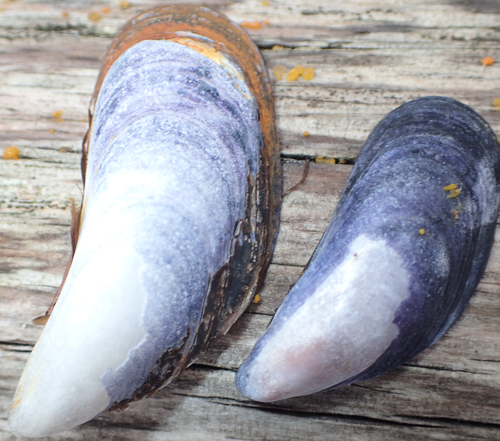
Prey (c) Connie Taylor, some rights reserved (CC BY), uploaded by Connie Taylor · cc-by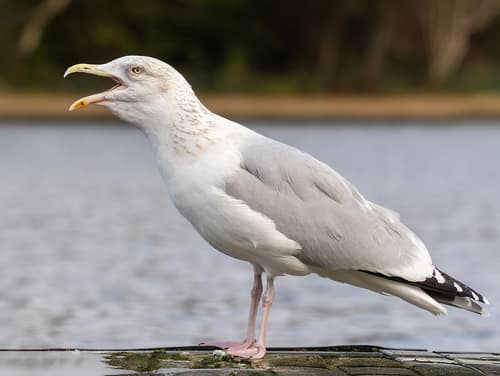
Predator Rhododendrites / CC BY-SA 4.0 · cc-by-sa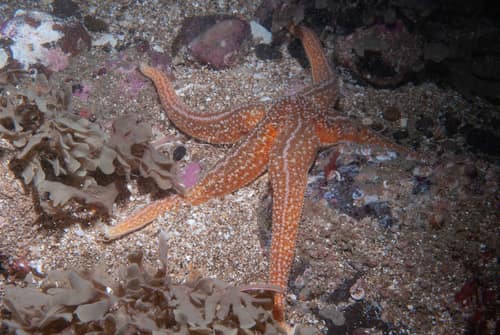
Close Relative (c) Bernard Picton, some rights reserved (CC BY), uploaded by Bernard Picton · cc-by
Help improve the field guideSomething wrong?
Checking your Fauna account…Report a name, category, or profile issue for review.