
Arachnid
Regal Jumping Spider
Phidippus regiusAlso known as Regal Jumper
Regal jumping spiders patrol low shrubs, palmettos, and exterior walls across the southeastern United States, relying on exceptional stereoscopic vision to track insect prey. Males display vivid emerald-green or blue iridescent chelicerae and court females through elaborate leg-waving dances accompanied by seismic vibrations. Instead of building web snares, they craft tubular silk hammocks in bark crevices and foliage to shelter overnight, molt, and protect their egg clutches.
DiurnalPredatorArboreal
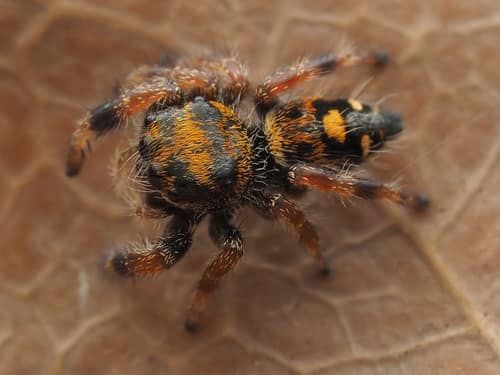
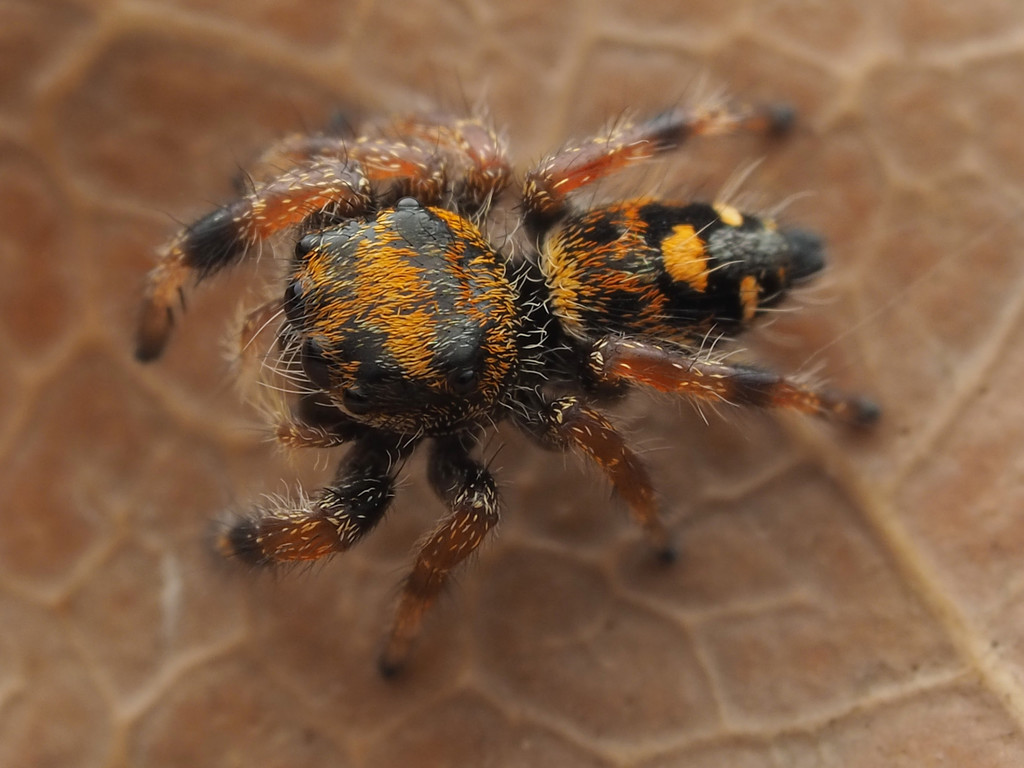
—observations
—countries
—peak records
Not EvaluatedConservation statusIUCN Red List categoriesLCNTVUENCREWEXNot Evaluated — not placed on the risk ladderRed List categories, explained →
Diet & preyFlies, Moths, Crickets
Predators
- Carolina anoles
- Mud dauber wasps
- Songbirds
ThreatsBroad-spectrum pesticide use and habitat fragmentation
HabitatsOpen woodlands, pine flatwoods, suburban gardens, and coastal scrub
Life span1–2 years
Classification
- OrderAraneae
- FamilySalticidae
- GenusPhidippus
- SpeciesPhidippus regius
Range data is not available yet.
Interaction riskLow
- Low
- Moderate
- High
- Very high
- Why interaction risk is low
- Docile and harmless to humans; entirely safe to observe at close range.
Responsible observation
- Head Tilts: Watch how the spider visibly turns its head and tracks fingers, showcasing acute stereoscopic sight.
- Gentle Approach: Move slowly without casting sudden overhead shadows, which trigger an evasive jump.
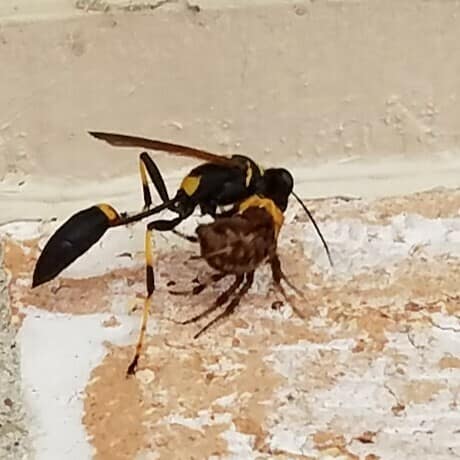
Predator (c) dhasdf, some rights reserved (CC BY) · cc-by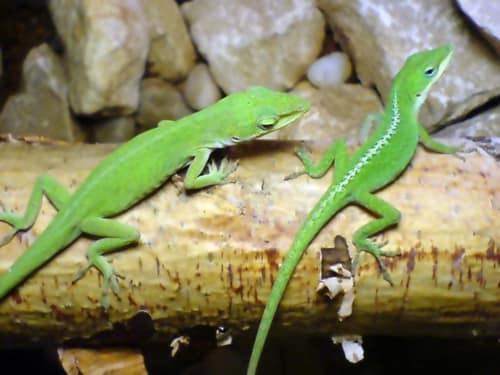
Predator (c) Robert Michniewicz (edited by Ark), some rights reserved (CC BY-SA) · cc-by-sa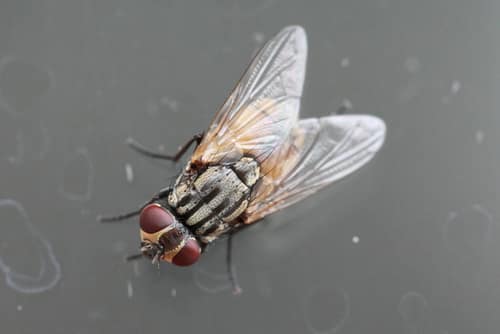
Prey no rights reserved, uploaded by Richard Fuller · cc0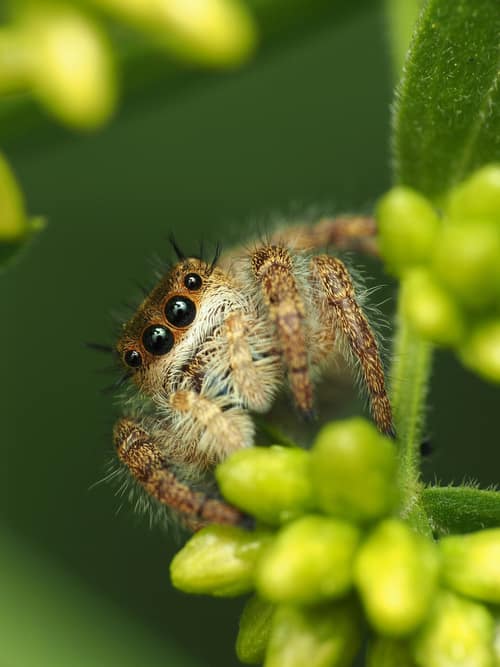
Close Relative (c) Katja Schulz, some rights reserved (CC BY), uploaded by Katja Schulz · cc-by
Help improve the field guideSomething wrong?
Checking your Fauna account…Report a name, category, or profile issue for review.