
Insect
Magnolia Leaf-footed Bug
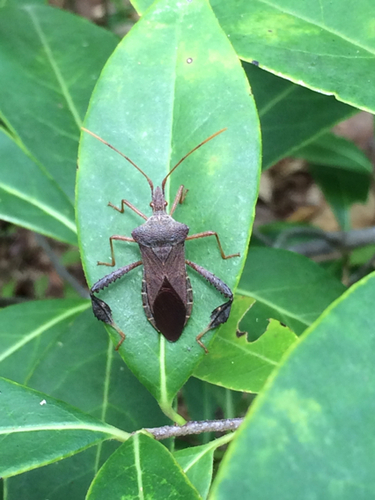
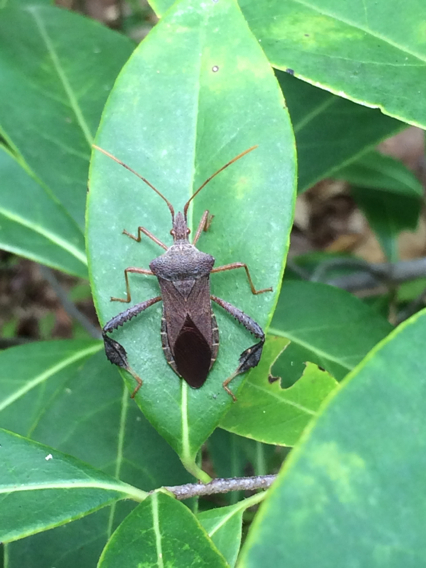
Leptoglossus fulvicornisMagnolia leaf-footed bugs specialize almost exclusively on native and ornamental magnolias, piercing developing seed cones with needle-like mouthparts to extract nutrient-rich fluids. Adults overwinter under loose tree bark or woodland leaf litter before emerging in late spring to mate and deposit neat rows of cylindrical eggs along leaf midribs. Flared, leaf-like expansions on their hind legs break up their outline, helping them blend seamlessly against twigs and drying seed pods.
True BugHerbivorousCamouflaged
—observations
—countries
—peak records
Not EvaluatedConservation statusIUCN Red List categoriesLCNTVUENCREWEXNot Evaluated — not placed on the risk ladderRed List categories, explained →
Diet & preyMagnolia seeds, Magnolia cone sap, Flower bud fluids
Predators
- Songbirds
- Orb-weaver spiders
- Assassin bugs
ThreatsBroad-spectrum insecticide use and extreme winter freezes
HabitatsDeciduous woodlands, mixed forests, magnolia groves, and suburban gardens
Life spanUp to 1 year
Classification
- FamilyCoreidae
- SpeciesLeptoglossus fulvicornis
Range data is not available yet.
Interaction riskLow
- Low
- Moderate
- High
- Very high
- Why interaction risk is low
- Safe to observe at a normal distance.
Responsible observation
- Cone Inspection: Examine green, developing magnolia seed cones from midsummer to early autumn where adults and nymphs gather.
- Gentle Approach: Move slowly when focusing a lens, as startled bugs will rapidly drop into underbrush or take flight.
- Avoid Squeezing: Refrain from handling roughly, as stressed individuals release a pungent chemical scent from scent glands.
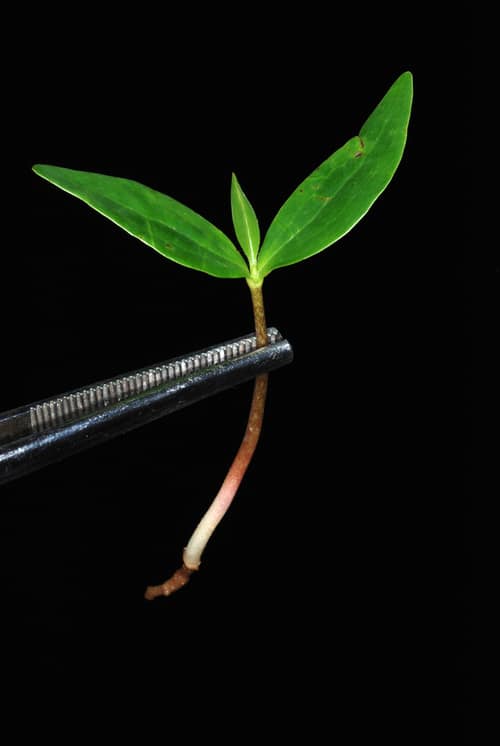
Host Plant (c) Douglas Goldman, some rights reserved (CC BY-SA), uploaded by Douglas Goldman · cc-by-sa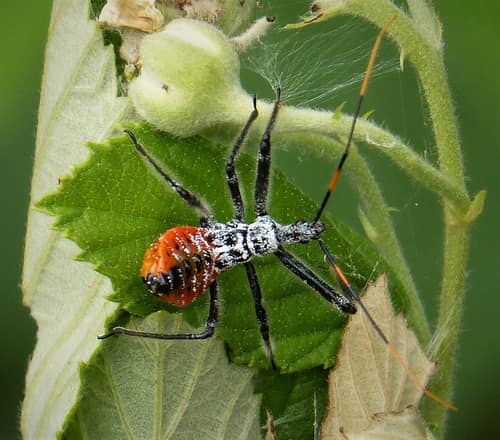
Predator (c) gailhampshire, some rights reserved (CC BY) · cc-by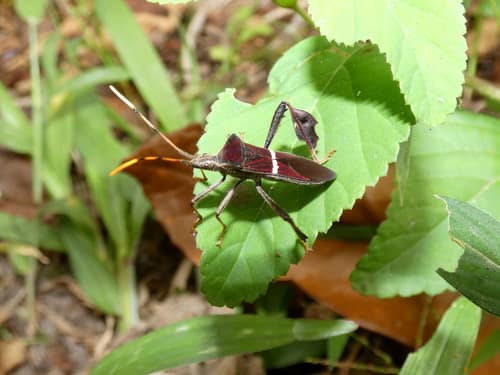
Close Relative (c) Kai Squires, some rights reserved (CC BY), uploaded by Kai Squires · cc-by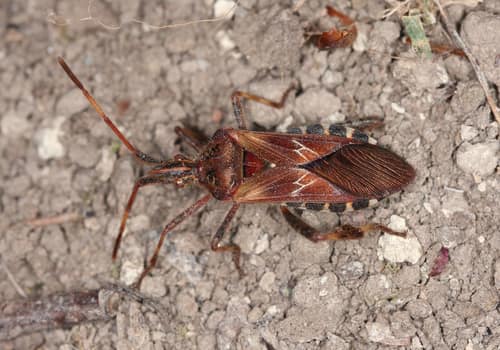
Close Relative (c) Holger Krisp, some rights reserved (CC BY) · cc-by
Help improve the field guideSomething wrong?
Checking your Fauna account…Report a name, category, or profile issue for review.