
Insect
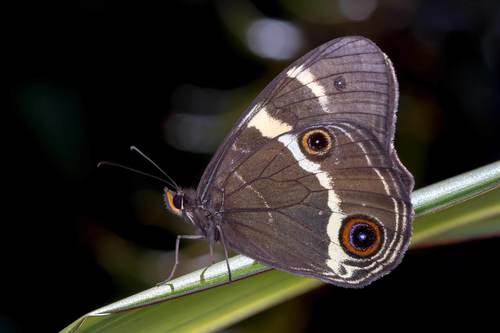
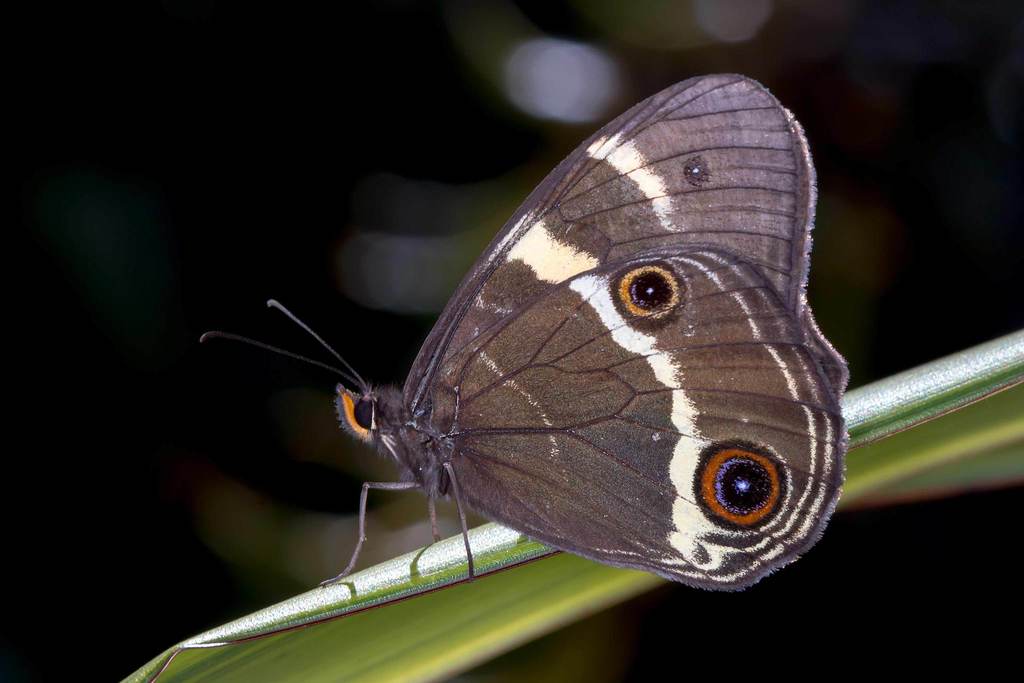
Swordgrass Brown
Tisiphone abeonaAlso known as Variable Sword-grass Brown
Swordgrass browns patrol sun-dappled forest clearings and gully floors with an erratic, bobbing flight, rarely straying far from the protection of dense sedges. Striking blue-pupiled eyespots on both wing surfaces startle potential predators, while regional populations exhibit remarkable clinal variation in the hue of their forewing bands. Females deposit spherical eggs singly on the razor-sharp leaves of swordgrass, providing immediate sustenance for the nocturnal, camouflaged caterpillars.
EndemicEyespotsWoodland
—observations
—countries
—peak records
Least ConcernConservation statusIUCN Red List categoriesLCNTVUENCREWEXLeast ConcernRed List categories, explained →
Diet & preyRed-fruit saw-sedge, Eucalyptus nectar, Tree sap
Predators
- Grey fantail
- Orb-weaver spiders
- Praying mantis
ThreatsHabitat clearance, draining of wetlands, and frequent bushfires that burn out sedge patches.
HabitatsWet sclerophyll forests, rainforest margins, coastal heathlands, and swampy gullies.
Life span9–12 months across all stages; adults survive 2–4 weeks.
Classification
- FamilyNymphalidae
- SpeciesTisiphone abeona
Range data is not available yet.
Interaction riskLow
- Low
- Moderate
- High
- Very high
- Why interaction risk is low
- Safe to observe at a normal distance.
Responsible observation
- Location: Walk along moist forest gullies or creek margins where large Gahnia sedges form dense thickets.
- Timing: Look for adults on sunny mornings when they warm themselves on open foliage with outstretched wings.
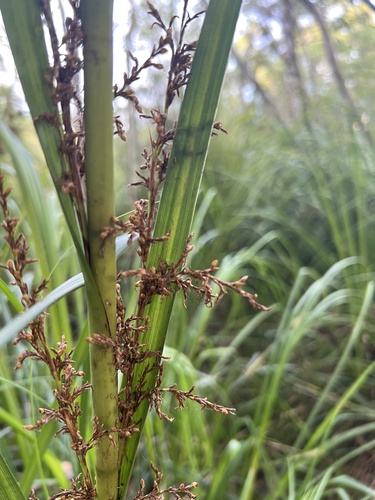
Host Plant (c) Lucas Christofides, some rights reserved (CC BY), uploaded by Lucas Christofides · cc-by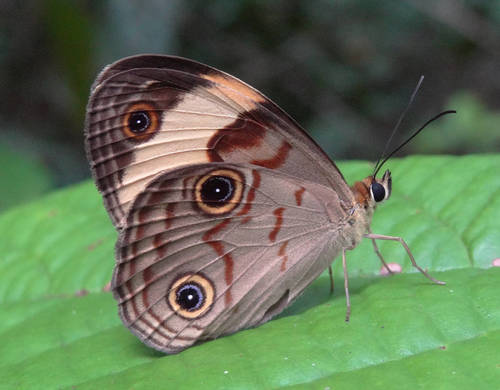
Close Relative (c) Andrew Parker, some rights reserved (CC BY) · cc-by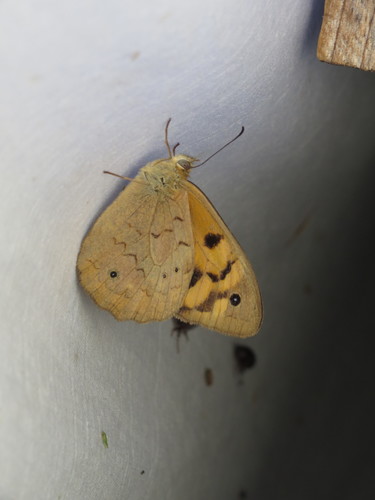
Same Family (c) Donald Hobern, some rights reserved (CC BY) · cc-by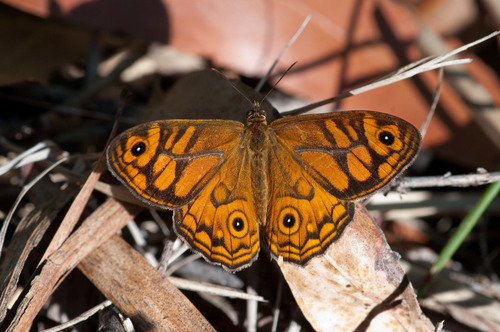
Same Family (c) Rolf Lawrenz, some rights reserved (CC BY), uploaded by Rolf Lawrenz · cc-by
Help improve the field guideSomething wrong?
Checking your Fauna account…Report a name, category, or profile issue for review.