
Insect
Common Brown
Heteronympha meropeAlso known as Australian Common Brown, Southern Common Brown
Common Browns are staple summer butterflies across southern Australia, displaying dramatic sexual dimorphism where larger females feature bold yellow-and-black forewing patterns contrasting with the subtle orange-brown tones of males. After emerging simultaneously in late spring, males mate quickly and die within weeks, whereas females retreat into sheltered foliage and hollow logs to undergo summer aestivation. When autumn rains break the dry heat, rejuvenated females emerge to scatter eggs broadly over fresh green grasses, sustaining the next generation.
Australian EndemicDiurnalWoodland Dweller
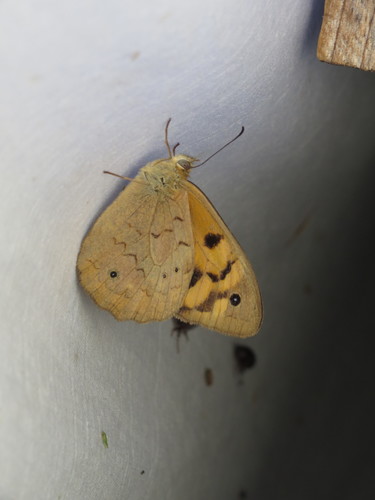
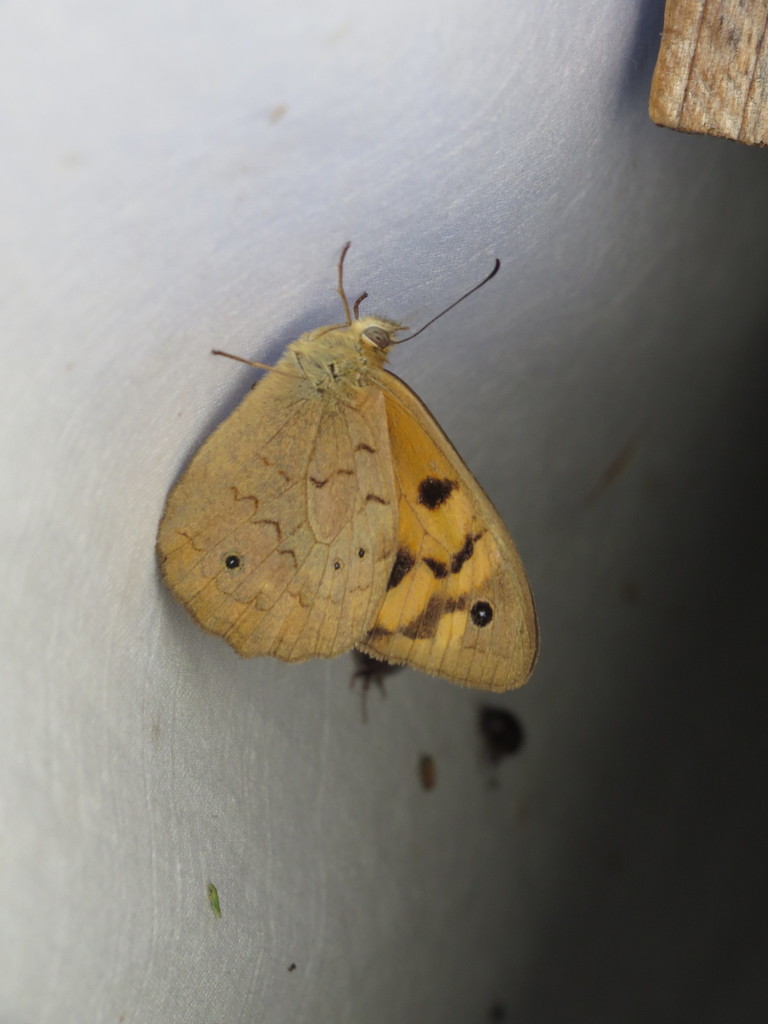
—observations
—countries
—peak records
Least ConcernConservation statusIUCN Red List categoriesLCNTVUENCREWEXLeast ConcernRed List categories, explained →
Diet & preyFlower Nectar, Tree Sap, Rotting Fruit
Predators
- Willie Wagtail
- Golden Orb-weaver
- Praying Mantis
ThreatsIntense bushfires, land clearing, extensive droughts, and widespread pesticide spraying.
HabitatsEucalypt woodlands, coastal heaths, open forests, pastures, and urban gardens.
Life spanMales live 3–6 weeks; females live 4–6 months (including summer aestivation).
Classification
- FamilyNymphalidae
- SpeciesHeteronympha merope
Range data is not available yet.
Interaction riskLow
- Low
- Moderate
- High
- Very high
- Why interaction risk is low
- Safe to observe at a normal distance.
Responsible observation
- Basking Habits: Approach quietly when adults settle on tree trunks or leaf litter to warm their wings in early sunlight.
- Summer Refuge: Check cool gullies, rock crevices, and woodpiles during hot months to spot resting females.
- Native Planting: Retain native tussock grasses in garden beds to provide vital breeding habitat.
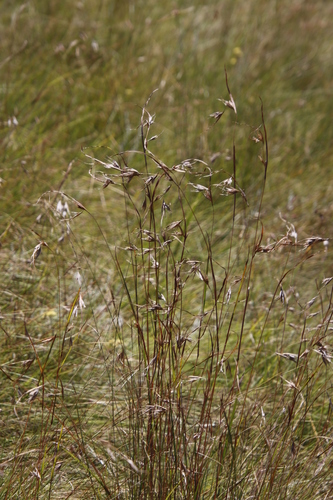
Host Plant (c) Tony Rebelo, some rights reserved (CC BY-SA), uploaded by Tony Rebelo · cc-by-sa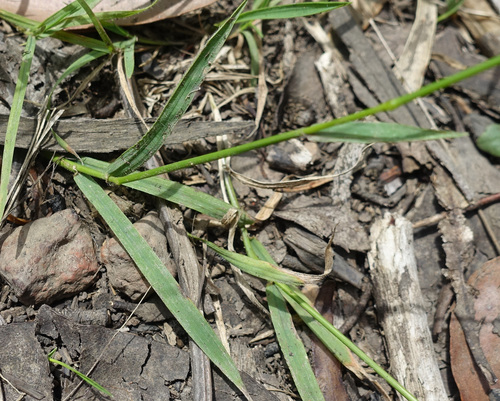
Host Plant (c) yatesy, some rights reserved (CC BY), uploaded by yatesy · cc-by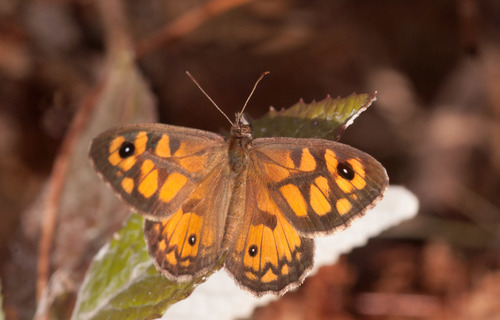
Same Family (c) Rolf Lawrenz, some rights reserved (CC BY) · cc-by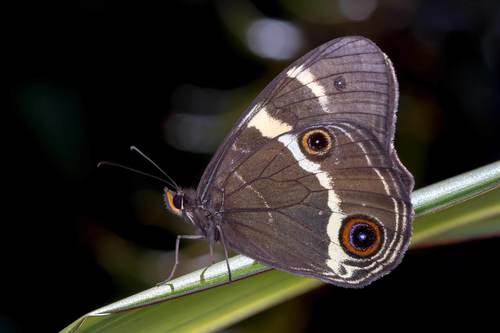
Same Family (c) Andrew Allen, some rights reserved (CC BY), uploaded by Andrew Allen · cc-by Image unavailable
Same Family
Help improve the field guideSomething wrong?
Checking your Fauna account…Report a name, category, or profile issue for review.