
Insect
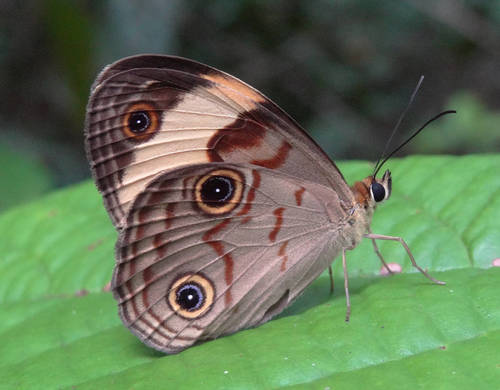
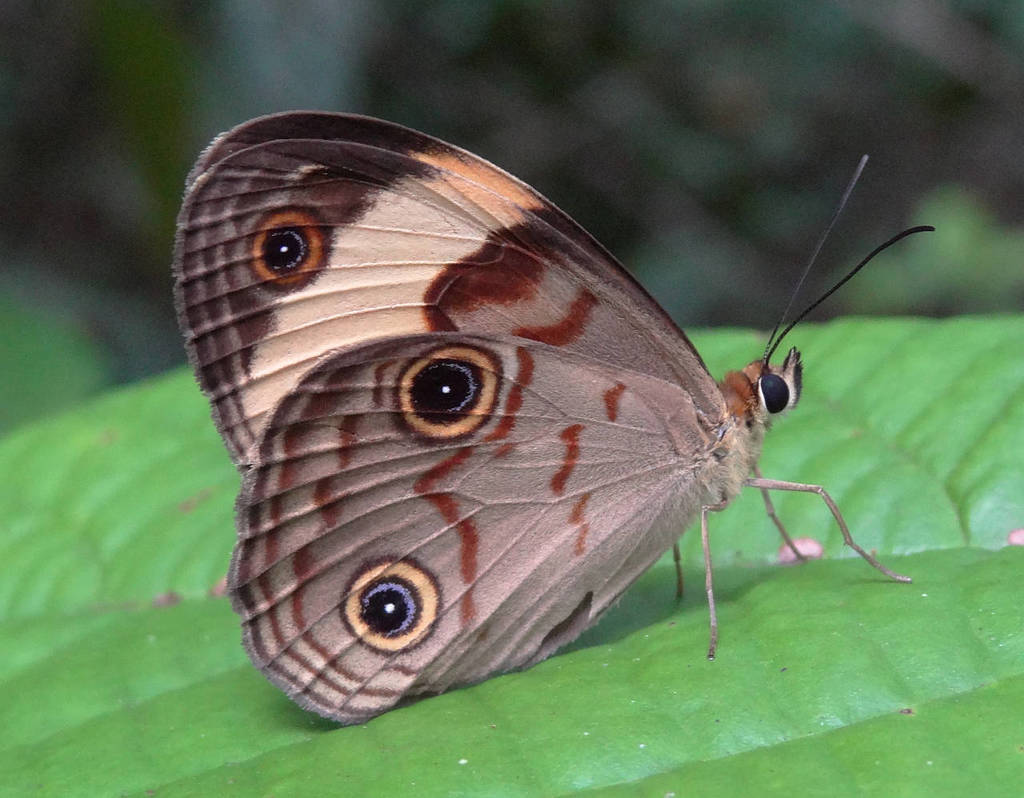
Northern Sword-grass Brown
Tisiphone helenaAlso known as Helena Brown
Northern sword-grass browns glide low along shaded edges and sunlit clearings within the upland rainforests of northeastern Queensland. Caterpillars feed nocturnally on razor-sharp sword-grasses, hiding deep inside dense tussocks during daylight to evade woodland predators. Adults patrol forest pathways with a bouncing flight pattern, pausing frequently on broad leaves to bask with wings partially open.
EndemicMontaneRainforest
—observations
—countries
—peak records
Least ConcernConservation statusIUCN Red List categoriesLCNTVUENCREWEXLeast ConcernRed List categories, explained →
Diet & preyRed-fruit saw-sedge (Gahnia sieberiana), Flower nectar, Mineral seepage
Predators
- Fantails
- Robber flies
- Orb-weaver spiders
ThreatsClimate change shifting cloud forest moisture bands, severe fires, and localized habitat clearance
HabitatsMontane tropical rainforest, cloud forest margins, and wet upland gullies
Life spanUp to 1 year across all life stages; adults live 3–6 weeks
Classification
- FamilyNymphalidae
- SpeciesTisiphone helena
Range data is not available yet.
Interaction riskLow
- Low
- Moderate
- High
- Very high
- Why interaction risk is low
- Harmless and safe to observe at a normal distance.
Responsible observation
- Spotting Location: Check sunlit patches along walking trails bordered by dense Gahnia sedge clumps.
- Approach Quietly: Move slowly during morning basking periods when individuals hold their wings spread to warm up.
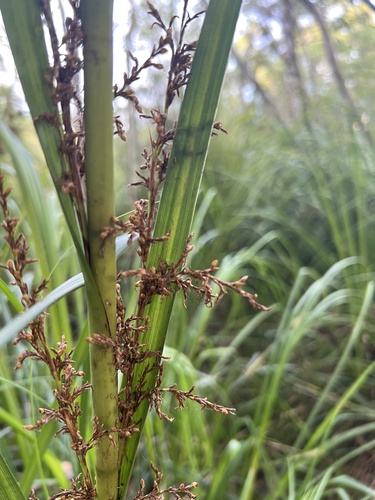
Host Plant (c) Lucas Christofides, some rights reserved (CC BY), uploaded by Lucas Christofides · cc-by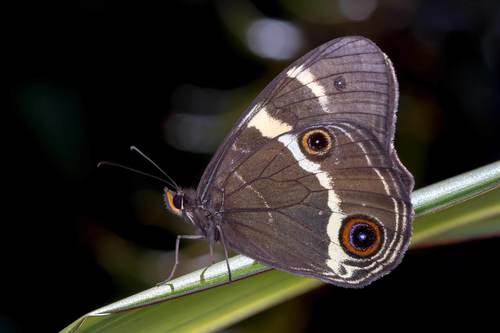
Close Relative (c) Andrew Allen, some rights reserved (CC BY), uploaded by Andrew Allen · cc-by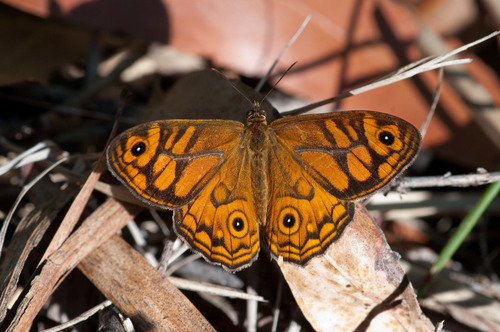
Same Subfamily (c) Rolf Lawrenz, some rights reserved (CC BY), uploaded by Rolf Lawrenz · cc-by Image unavailable
Same Subfamily
Help improve the field guideSomething wrong?
Checking your Fauna account…Report a name, category, or profile issue for review.