Also known as Velvet Shank, Velvet Stem, Wild Enoki
Velvet Foot thrives in cold weather, often producing clusters of sticky, honey-orange caps on decaying hardwood logs long after other fungi have vanished for the season. The distinctive stem develops a dark, velvet-like coat near the base that absorbs moisture and helps the fruiting body withstand freezing temperatures. During warm winter spells, frozen caps revive and continue discharging white spores into the crisp air.
HabitatsDeciduous forests, tree stumps, fallen logs
Life spanPerennial mycelium with seasonal fruiting
Size / weightNot available
Classification
FamilyPhysalacriaceae
SpeciesFlammulina velutipes
Range & activity
Range data is not available yet.
Safe observation
Interaction riskModerate
Low
Moderate
High
Very high
Why interaction risk is moderate
Many wild mushrooms have toxic look-alikes; never eat wild fungi based on app identification alone.
Why it is dangerous
Ingestion poses extreme danger due to confusion with Deadly Skullcap (Galerina marginata), which contains lethal amatoxins that destroy liver and kidney tissues.
How to recognize a risky encounter
Look for sticky orange caps with dark velvety lower stems, white spore prints, and a complete absence of a ring on the stalk.
What to do
Never harvest or consume wild fungi based on photo identification alone; observe and photograph specimens without disturbing them.
Responsible observation
Observation: Search hardwood stumps and fallen trunks during late autumn and winter when other mushrooms are scarce.
Identification: Check for a pale spore print, yellowish gills, and a dark velvety coating on the lower stalk.
Freezing resilience: Watch how frozen fruiting bodies thaw and resume spore dispersal during mild weather breaks.

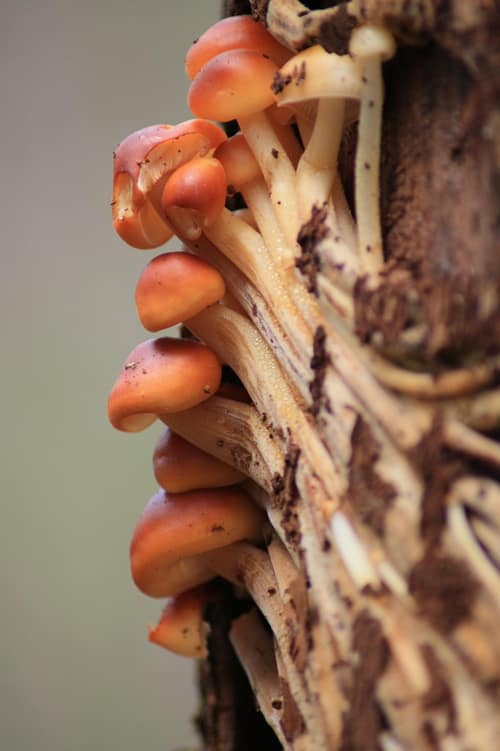
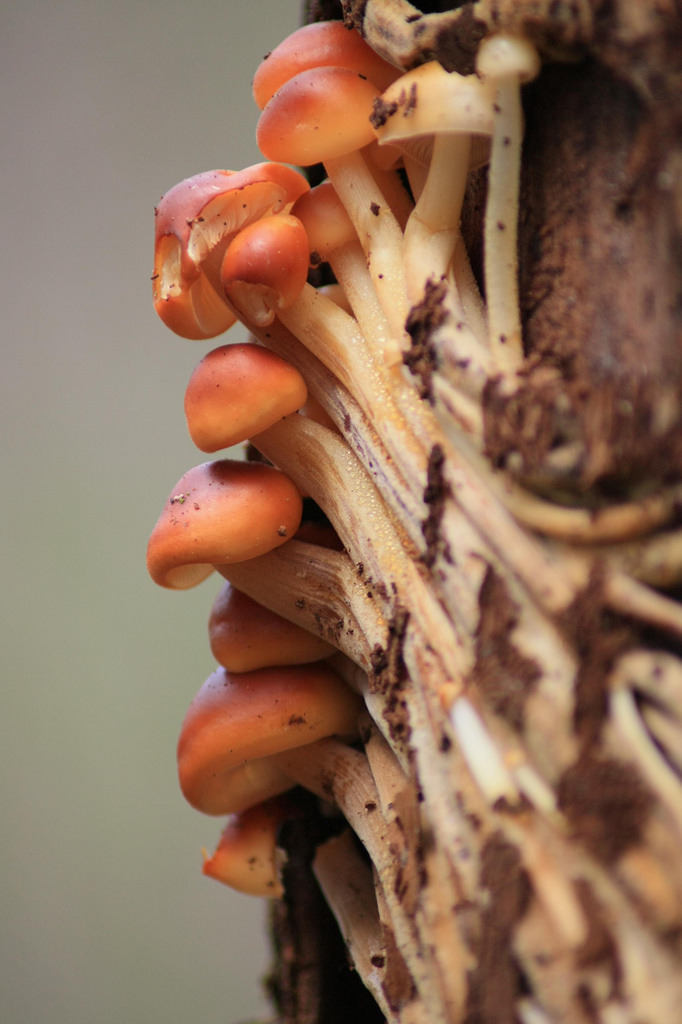
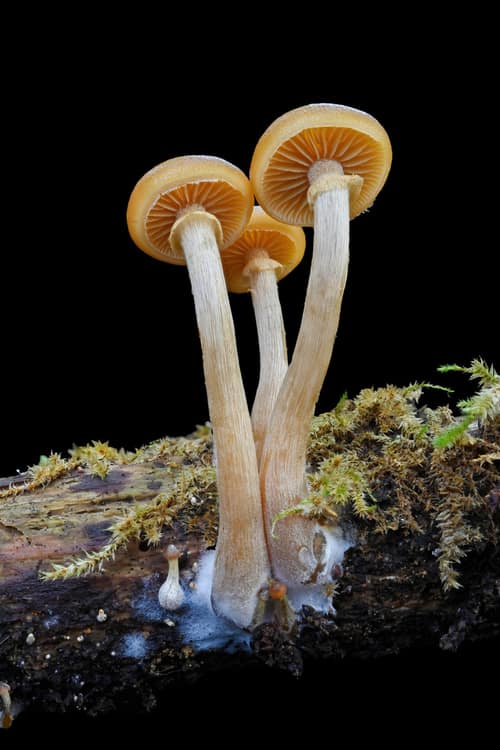
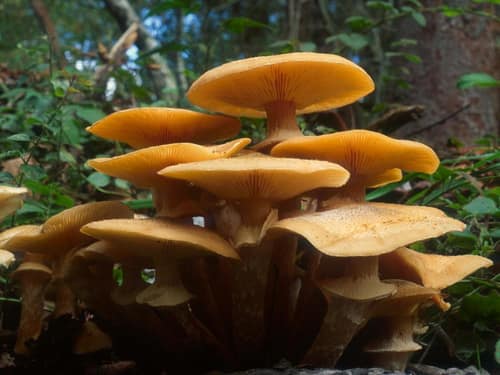
 Image unavailable