
Fungus · GBIF taxon 2526530
Oyster Mushroom
Pleurotus ostreatusAlso known as Grey Oyster Mushroom, Oyster Fungus, Hiratake, Pearl Oyster Mushroom
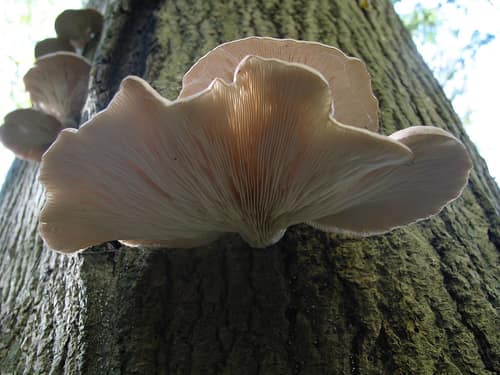
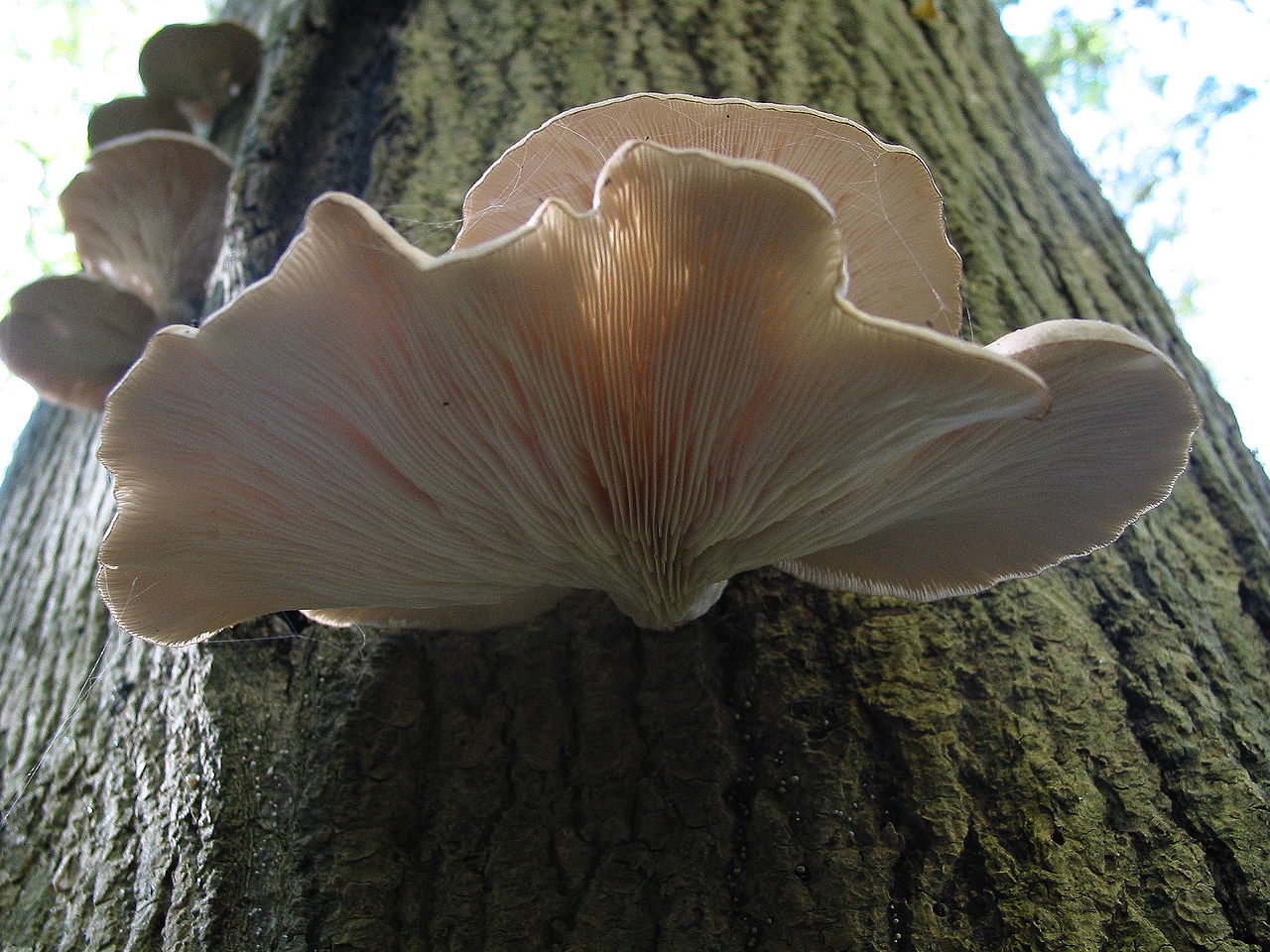
Oyster mushrooms sprout in dense, overlapping clusters on dead or dying hardwood trees across temperate and subtropical forests. Uniquely among wood-decaying fungi, their subterranean threads actively hunt nematodes by secreting paralyzing toxins before digesting the tiny soil worms for nitrogen. Their fan-shaped caps range from pearl-grey to soft brown, with white gills running down a brief, off-center stalk.
DecomposerWood-DecayingShelf Fungus
—observations
—countries
—peak records
Not EvaluatedConservation statusIUCN Red List categoriesLCNTVUENCREWEXNot Evaluated — not placed on the risk ladderRed List categories, explained →
Diet & prey
- Decaying Hardwood
- Nematodes
Predators
- Fungus Gnats
- Pleasing Fungus Beetles
- Slugs
ThreatsDeforestation and over-harvesting of mature hardwood logs
HabitatsTemperate and subtropical hardwood forests
Life spanFruiting bodies persist 1–2 weeks; subterranean mycelium lives for years
Size / weightNot available
Classification
- OrderAgaricales
- FamilyPleurotaceae
- GenusPleurotus
- SpeciesPleurotus ostreatus
Range data is not available yet.
Interaction riskLow
- Low
- Moderate
- High
- Very high
- Why interaction risk is low
- Many wild mushrooms have dangerous look-alikes; never consume wild fungi based on app identification alone.
Responsible observation
- Habitat Search: Look for overlapping shelf-like clusters on decaying hardwood trunks and stumps during cool weather.
- Spore Print: Take a spore print on dark paper to observe the white to pale lilac-gray deposit.
- Look-Alike Check: Verify gill attachment, which should run decurrently down the short, off-center stem.
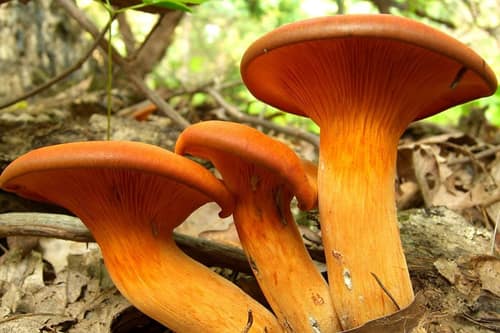
Toxic Look-Alike (c) Jason Hollinger, some rights reserved (CC BY) · cc-by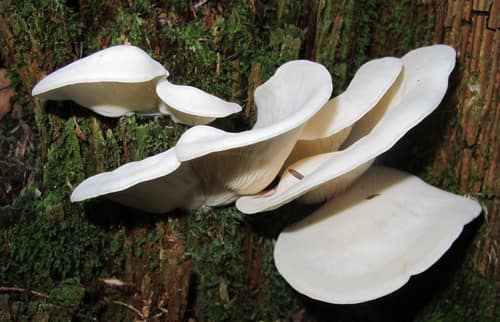
Look-Alike (c) mycowalt, some rights reserved (CC BY-SA), uploaded by mycowalt · cc-by-sa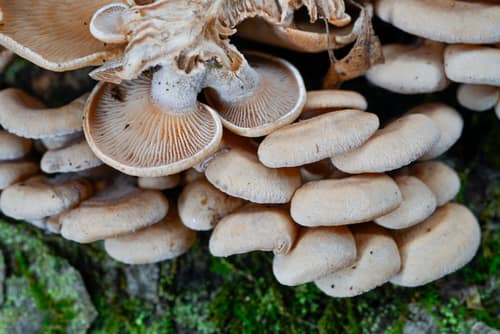
Look-Alike (c) Alan Rockefeller, some rights reserved (CC BY), uploaded by Alan Rockefeller · cc-by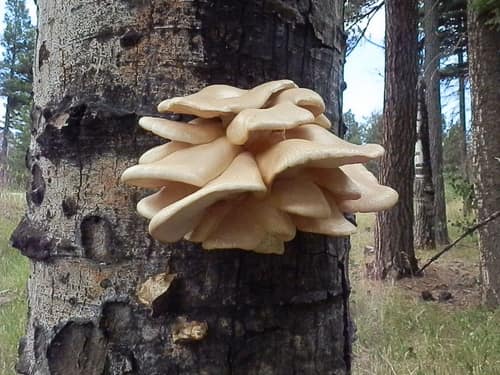
Close Relative (c) pinonbistro, some rights reserved (CC BY-SA), uploaded by pinonbistro · cc-by-sa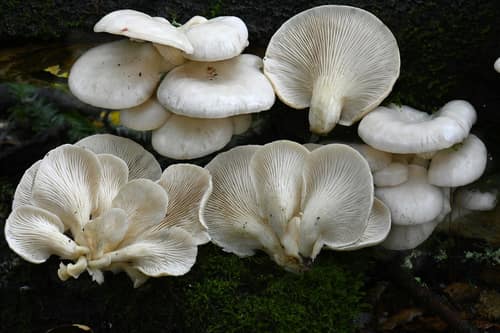
Close Relative (c) Alan Rockefeller, some rights reserved (CC BY), uploaded by Alan Rockefeller · cc-by
Help improve the field guideSomething wrong?
Checking your Fauna account…Report a name, category, or profile issue for review.