
Plant · GBIF taxon 3190628
Eastern Poison Ivy
Toxicodendron radicansAlso known as Poison Ivy, Markweed, Poison Vine, Climbing Poison Ivy
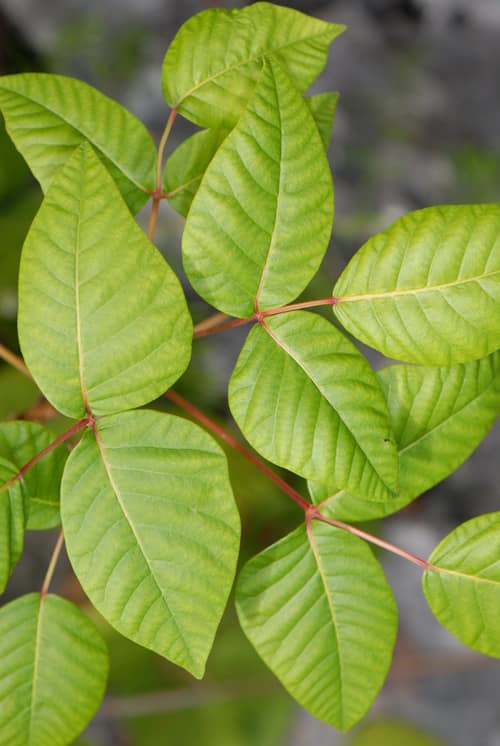
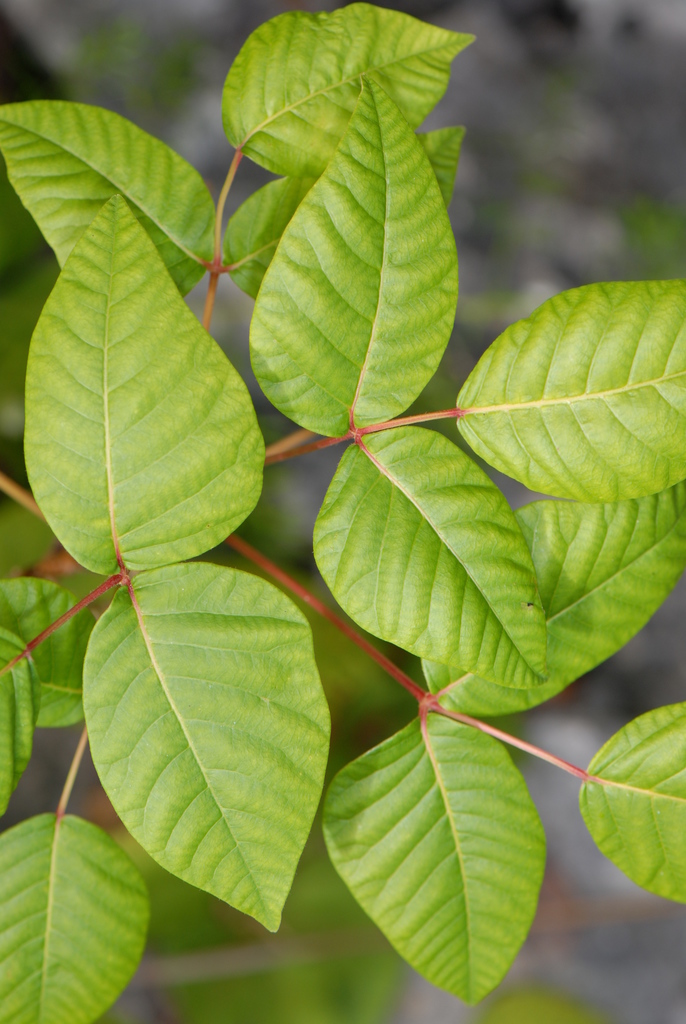
Eastern poison ivy thrives along forest edges and disturbed roadsides, growing as a trailing ground cover, dense shrub, or hairy climbing vine. Its compound leaves with three leaflets turn brilliant shades of red and orange in autumn, producing small waxy white berries that provide crucial winter energy for songbirds. Every part of the plant produces urushiol, a resilient oil that binds quickly to skin and causes severe allergic reactions in humans.
PerennialWoody VineIrritant
—observations
—countries
—peak records
Least ConcernConservation statusIUCN Red List categoriesLCNTVUENCREWEXLeast ConcernRed List categories, explained →
Diet & prey
- Autotrophic (Photosynthetic)
Predators
- White-tailed Deer
- Insects
- Fungi
ThreatsLand development and vegetation clearance
HabitatsDeciduous forests, wood margins, riverbanks, roadsides, disturbed ground
Life spanIndefinite (Perennial)
Size / weightNot available
Classification
- OrderSapindales
- FamilyAnacardiaceae
- GenusToxicodendron
- SpeciesToxicodendron radicans
Range data is not available yet.
Interaction riskHigh
- Low
- Moderate
- High
- Very high
- Why interaction risk is high
- Urushiol oil causes severe contact dermatitis; wild berries have toxic look-alikes and must never be eaten.
- Why it is dangerous
- Produces urushiol oil, causing severe contact dermatitis, blistering, and intense itching upon skin contact or systemic distress if ingested.
- How to recognize a risky encounter
- Look for compound leaves with three leaflets, hairy trailing or climbing vines, and small pale berries.
- What to do
- Do not touch any part of the plant or burn brush containing it, as inhaled smoke causes severe internal damage.
Responsible observation
- Identification: Remember the classic rule leaves of three, let it be to avoid contact.
- Safety Precaution: Wear long pants and closed-toe shoes when hiking off cleared trails.
- Decontamination: Wash exposed skin with cold water and detergent within 30 minutes.
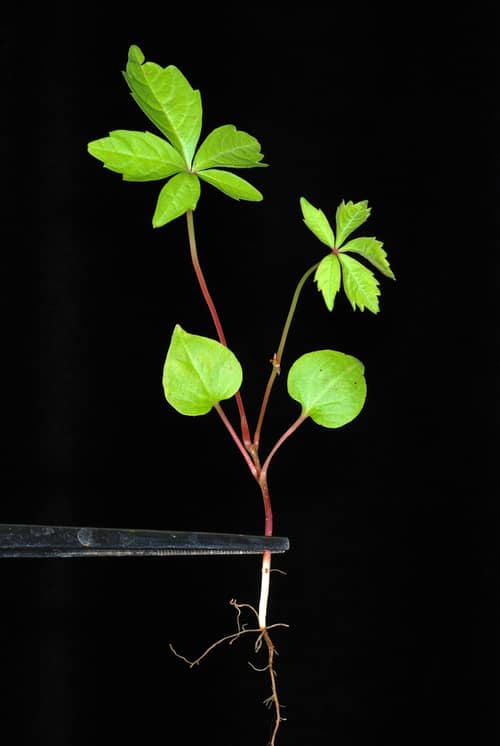
Mimic (c) Douglas Goldman, some rights reserved (CC BY-SA), uploaded by Douglas Goldman · cc-by-sa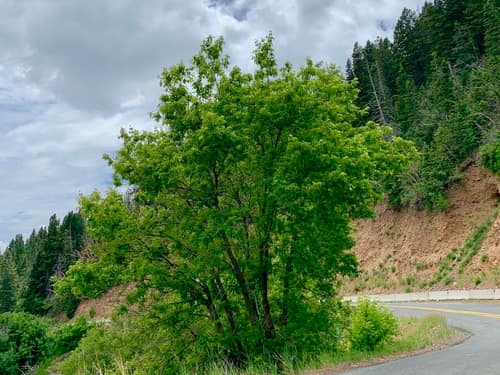
Mimic CK Kelly / CC BY 4.0 · cc-by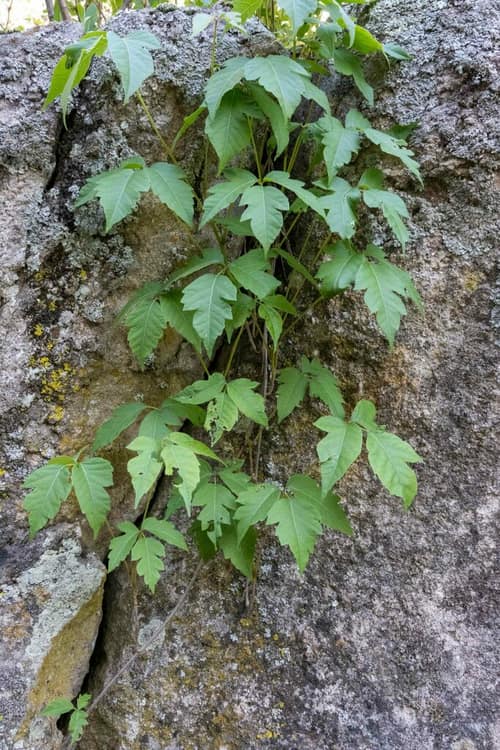
Close Relative (c) Bob Walker, some rights reserved (CC BY) · cc-by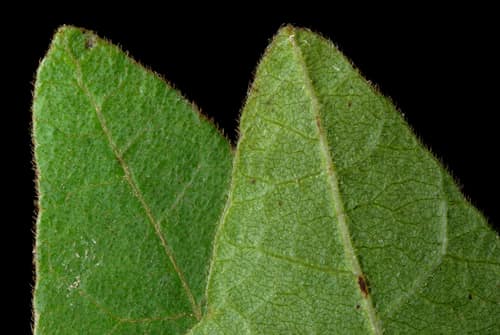
Close Relative (c) Douglas Goldman, some rights reserved (CC BY-SA), uploaded by Douglas Goldman · cc-by-sa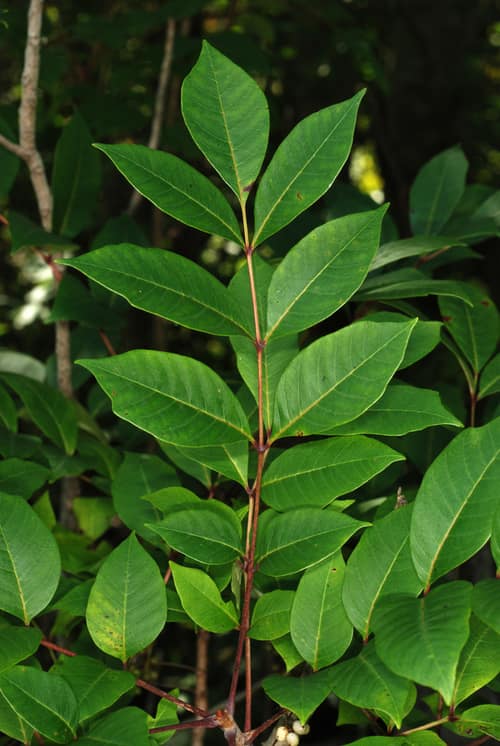
Close Relative (c) Douglas Goldman, some rights reserved (CC BY-SA), uploaded by Douglas Goldman · cc-by-sa
Help improve the field guideSomething wrong?
Checking your Fauna account…Report a name, category, or profile issue for review.