
Plant · GBIF taxon 3189866
Box Elder
Acer negundoAlso known as Boxelder Maple, Manitoba Maple, Ash-Leaved Maple
Unusually for a maple, box elder bears pinnately compound leaves that closely resemble ash foliage or poison ivy saplings. It thrives along watercourses and in disturbed soil, growing rapidly to form a spreading canopy that harbors dense colonies of overwintering boxelder bugs. Its lightweight, brittle wood breaks easily under ice or strong winds, allowing it to quickly colonize gaps and regenerate in floodplains.
Fast-GrowingDeciduousRiparian
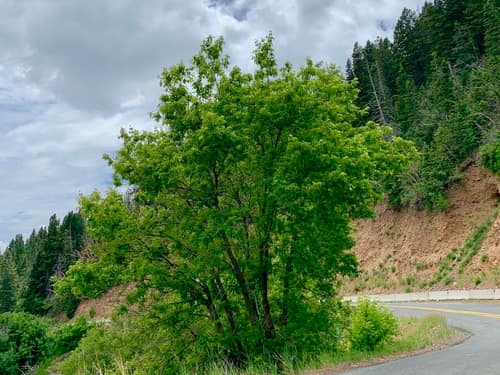
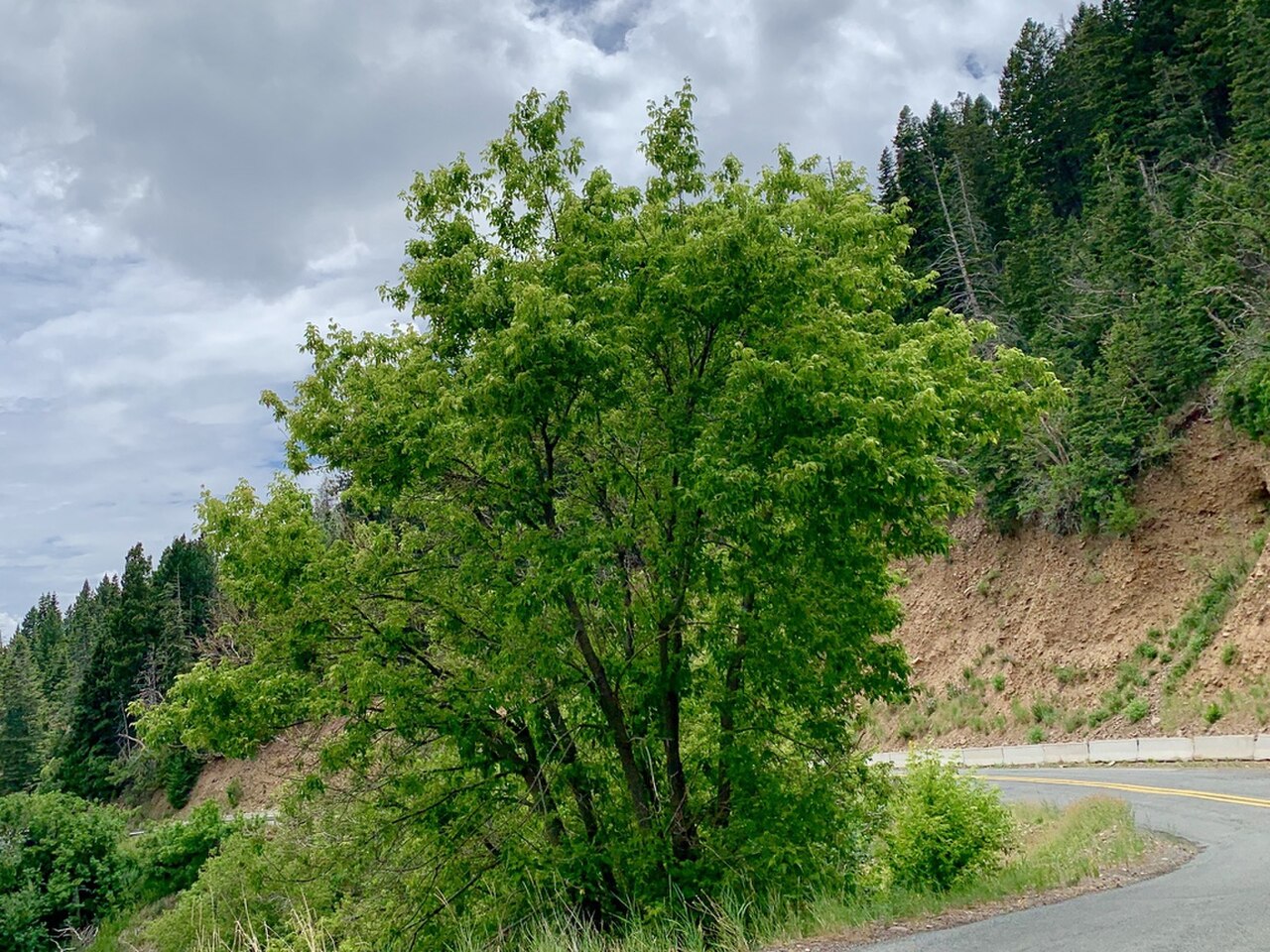
—observations
—countries
—peak records
Least ConcernConservation statusIUCN Red List categoriesLCNTVUENCREWEXLeast ConcernRed List categories, explained →
Diet & prey
- Autotrophic (Photosynthesis)
Predators
- Boxelder Bug
- Fall Webworm
- Beaver
ThreatsCanker fungi, heart rot, stem borers, wind and ice damage
HabitatsRiparian forests, stream banks, floodplains, disturbed roadsides
Life span60–100 years
Size / weightNot available
Classification
- OrderSapindales
- FamilySapindaceae
- GenusAcer
- SpeciesAcer negundo
Range data is not available yet.
Interaction riskLow
- Low
- Moderate
- High
- Very high
- Why interaction risk is low
- Safe to observe at a normal distance.
Responsible observation
- Leaf Identification: Look for compound leaves arranged in opposite pairs, often featuring three to five coarsely toothed leaflets.
- Habitat Spotting: Search along riverbanks, wetland margins, and disturbed forest edges where moist soil accelerates its fast growth.
- Insects to Observe: Inspect female trees in autumn for clusters of black-and-red boxelder bugs feeding on developing seeds.
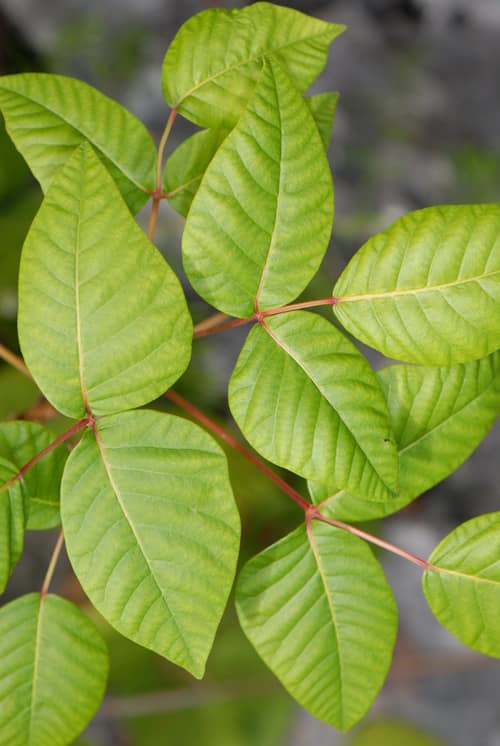
Visual Look-alike (c) Sam Fraser-Smith, some rights reserved (CC BY) · cc-by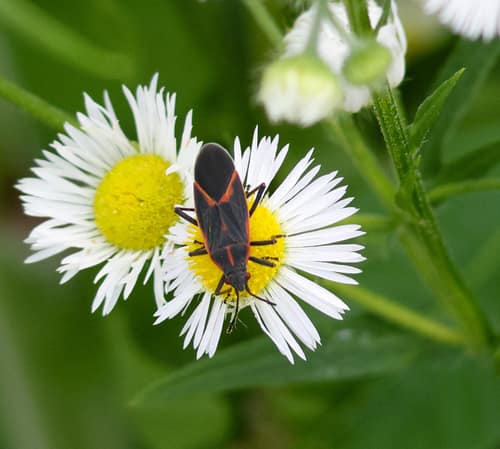
Herbivore (c) Susan Blayney, some rights reserved (CC BY), uploaded by Susan Blayney · cc-by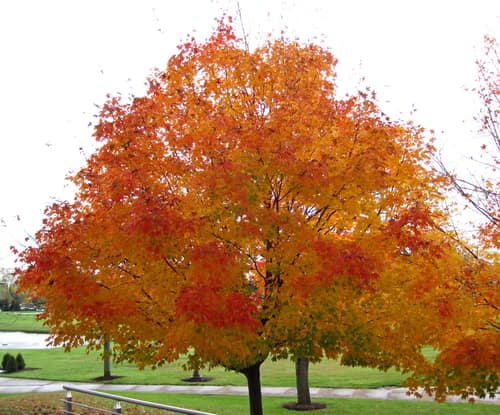
Close Relative (c) James St. John, some rights reserved (CC BY) · cc-by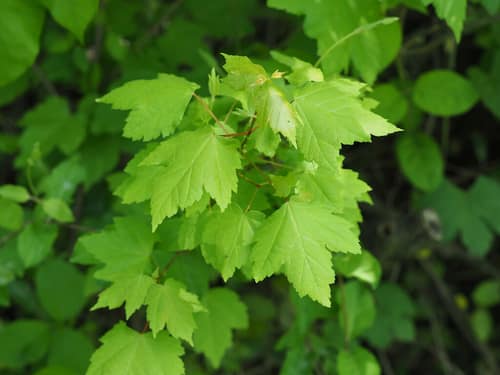
Close Relative no rights reserved, uploaded by mefisher · cc0
Help improve the field guideSomething wrong?
Checking your Fauna account…Report a name, category, or profile issue for review.