
Plant
Virginia Creeper
Parthenocissus quinquefoliaAlso known as Woodbine, Five-Leaved Ivy, Five-Finger
Virginia creeper scales forest canopies and masonry walls using branched tendrils tipped with tiny adhesive pads. Its palmately compound leaves display five serrated leaflets that turn a brilliant crimson in early autumn, providing striking seasonal color. Small greenish flower clusters give way to dark blue berries that nourish migrating songbirds throughout the winter months.
VineDeciduousAutumn Color
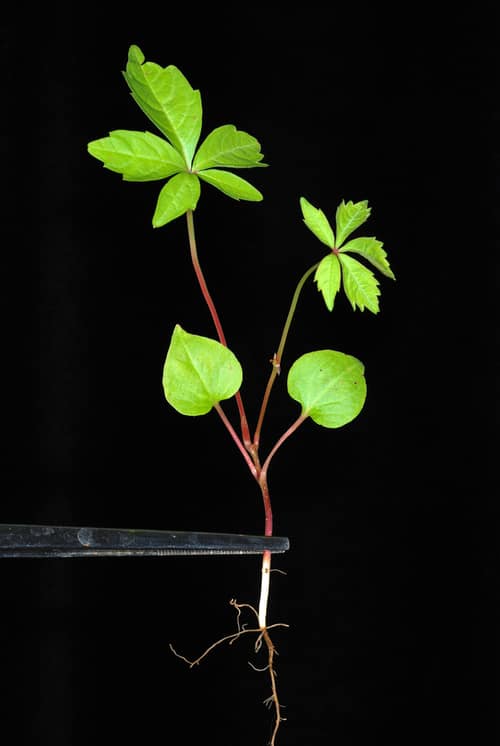
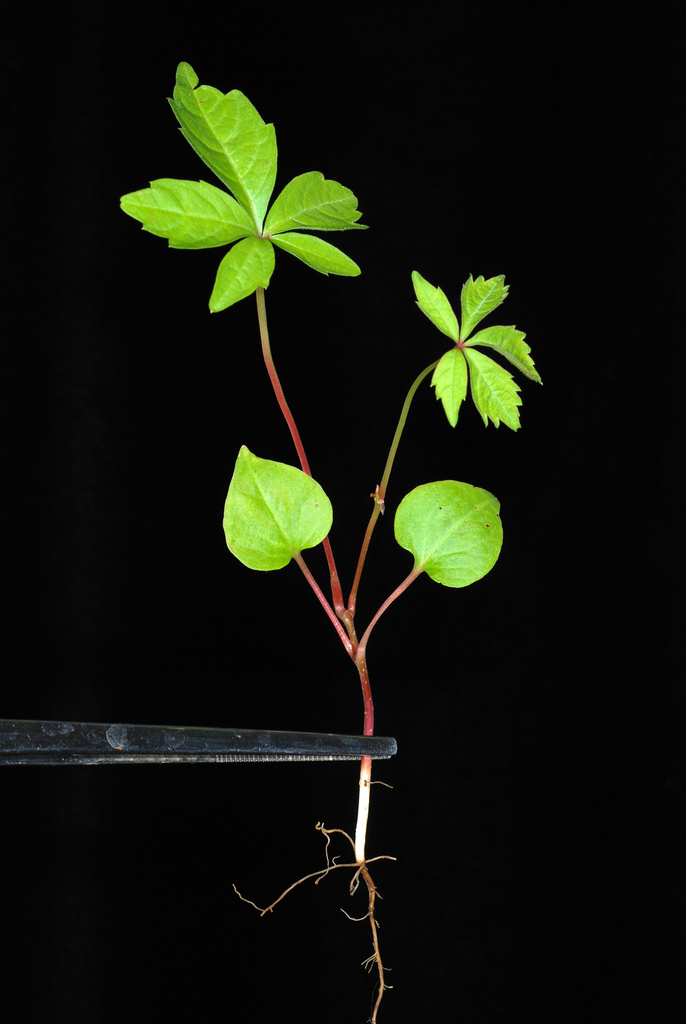
—observations
—countries
—peak records
Least ConcernConservation statusIUCN Red List categoriesLCNTVUENCREWEXLeast ConcernRed List categories, explained →
Diet & preyPhotosynthetic
Predators
- Sphinx Moth Caterpillars
- White-Tailed Deer
- Japanese Beetles
ThreatsHerbicide application, heavy land clearing
HabitatsWoodlands, forest edges, thickets, suburban landscapes
Life span30–50+ years
Classification
- OrderVitales
- FamilyVitaceae
- GenusParthenocissus
- SpeciesParthenocissus quinquefolia
Range data is not available yet.
Interaction riskHigh
- Low
- Moderate
- High
- Very high
- Why interaction risk is high
- Wild berries have toxic look-alikes; sap causes skin irritation and berries contain oxalates.
- Why it is dangerous
- Microscopic calcium oxalate crystals in the sap cause contact dermatitis, while eating the berries triggers severe gastrointestinal distress.
- How to recognize a risky encounter
- Look for palmately compound leaves with five distinct serrated leaflets radiating from a central point.
- What to do
- Wear gardening gloves and long sleeves when pruning or removing vines to prevent sap contact with skin.
Responsible observation
- Identification: Count the leaflets on a stem to easily distinguish five-leaved Virginia creeper from three-leaved poison ivy.
- Gardening: Provide a sturdy trellis or brick surface for support, keeping vines trimmed away from wooden siding.
- Wildlife Watching: Scan winter vines for migrating songbirds such as thrushes and mockingbirds feeding on dark berries.
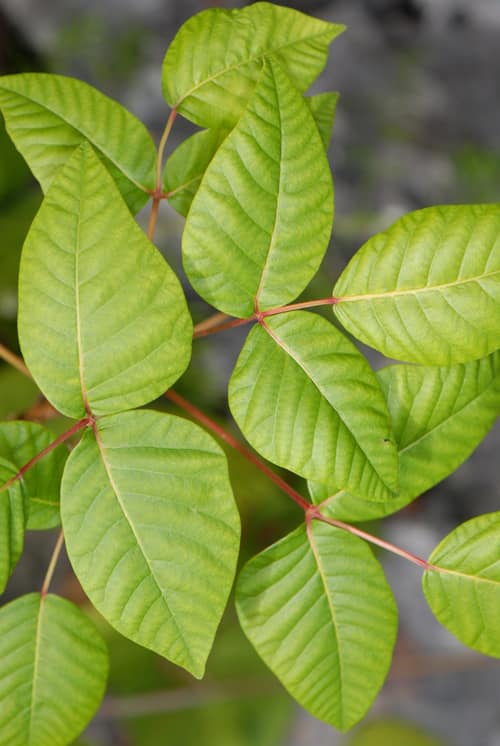
Look-Alike (c) Sam Fraser-Smith, some rights reserved (CC BY) · cc-by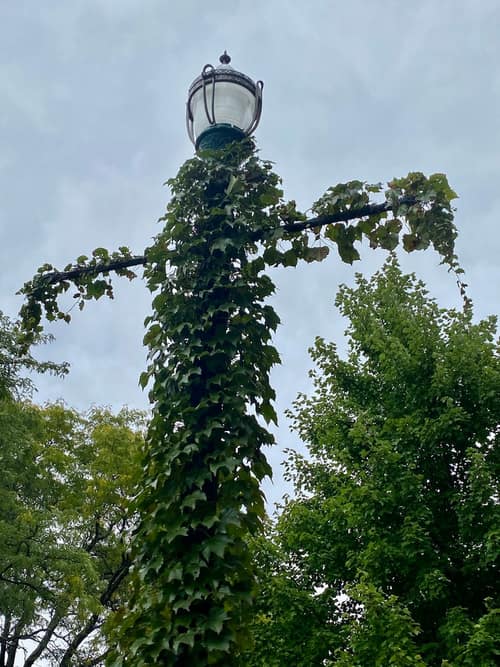
Close Relative (c) Sandy Wolkenberg, some rights reserved (CC BY) · cc-by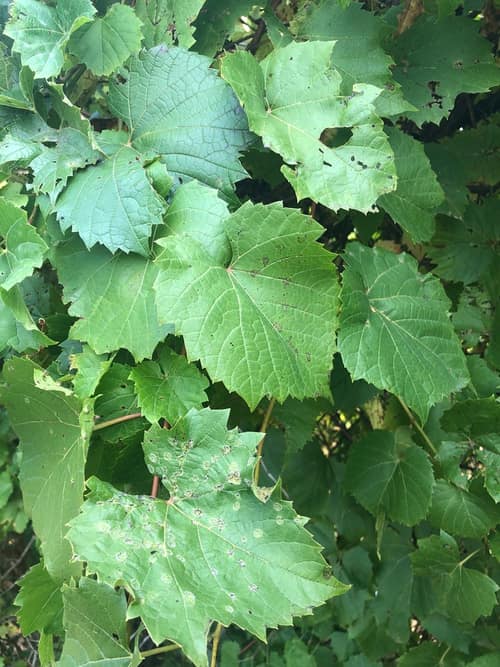
Family Member (c) miquelon, some rights reserved (CC BY), uploaded by miquelon · cc-by
Help improve the field guideSomething wrong?
Checking your Fauna account…Report a name, category, or profile issue for review.