
Plant
Sausage Tree
Kigelia africanaAlso known as African Sausage Tree, Cucumber Tree
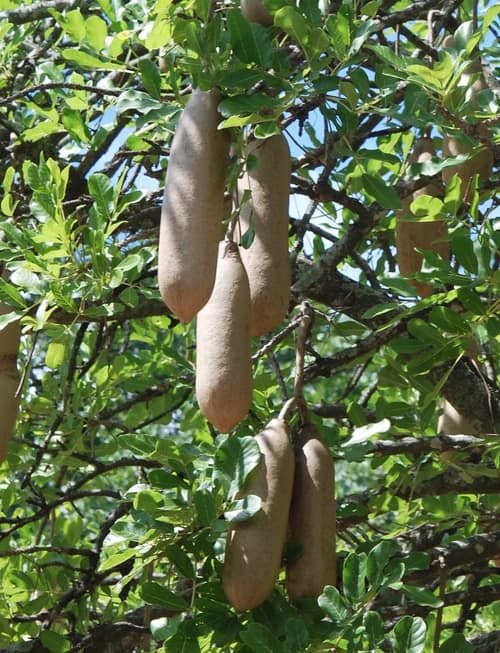
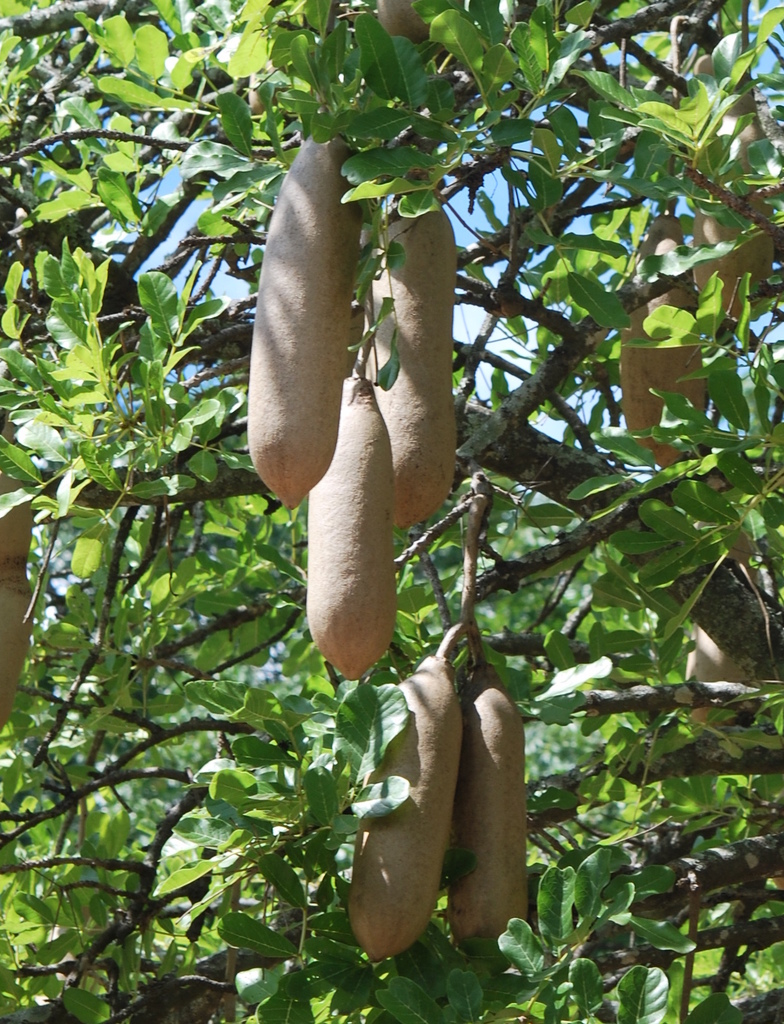
Sausage trees produce dramatic, blood-red blossoms that open exclusively at night, emitting a strong musky scent tailored to attract nectar-feeding fruit bats. Following pollination, massive woody fruits resembling giant sausages dangle beneath the canopy on long, rope-like stems, reaching lengths up to one meter. Elephants, baboons, and hippos eagerly consume the fallen blossoms and mature fruits, spreading seeds along African river valleys and savanna floodplains.
Bat-PollinatedFloweringTropical Tree
—observations
—countries
—peak records
Least ConcernConservation statusIUCN Red List categoriesLCNTVUENCREWEXLeast ConcernRed List categories, explained →
Diet & preyAutotrophic (photosynthetic)
Predators
- African Bush Elephant
- Chacma Baboon
- Hippopotamus
ThreatsHabitat clearing and localized over-harvesting for wood
HabitatsRiverine forests, floodplains, savanna woodlands, tropical riverbanks
Life span50–150 years
Classification
- OrderLamiales
- FamilyBignoniaceae
- GenusKigelia
- SpeciesKigelia africana
Range data is not available yet.
Interaction riskHigh
- Low
- Moderate
- High
- Very high
- Why interaction risk is high
- Raw fruits cause severe intestinal distress and wild fruits have toxic look-alikes; never ingest based on app identification alone.
- Why it is dangerous
- Raw, unprocessed fruits contain irritants that cause severe oral inflammation and gastrointestinal distress if consumed.
- How to recognize a risky encounter
- Look for enormous, gray, sausage-shaped woody fruits hanging from long cord-like stems beneath a spreading canopy.
- What to do
- Do not ingest raw plant parts, and remain aware of heavy hanging fruit when walking underneath mature trees.
Responsible observation
- Flower Spotting: Look high in the canopy at dusk or night to see dark maroon blossoms open for bats.
- Falling Fruit Caution: Avoid setting up camp or parking directly beneath heavy, fruit-laden branches.
- Wildlife Watching: Scan beneath trees near African riverbanks early in the morning to spot animals feeding on fallen blooms.
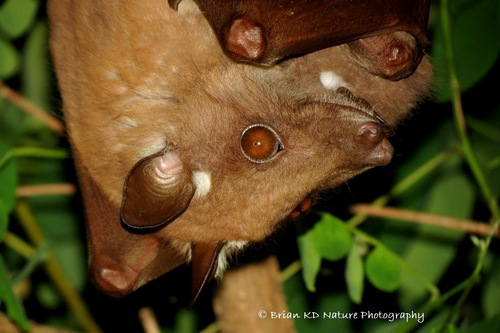
Pollinator (c) Brian du Preez, some rights reserved (CC BY-SA), uploaded by Brian du Preez · cc-by-sa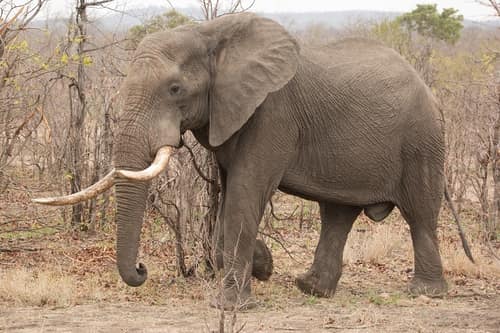
Seed Disperser (c) dhfischer, some rights reserved (CC BY), uploaded by dhfischer · cc-by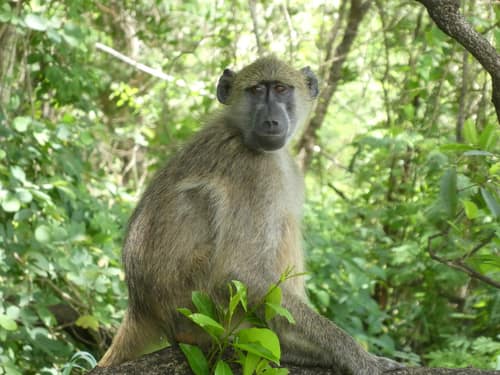
Fruit Consumer (c) datadan, some rights reserved (CC BY), uploaded by datadan · cc-by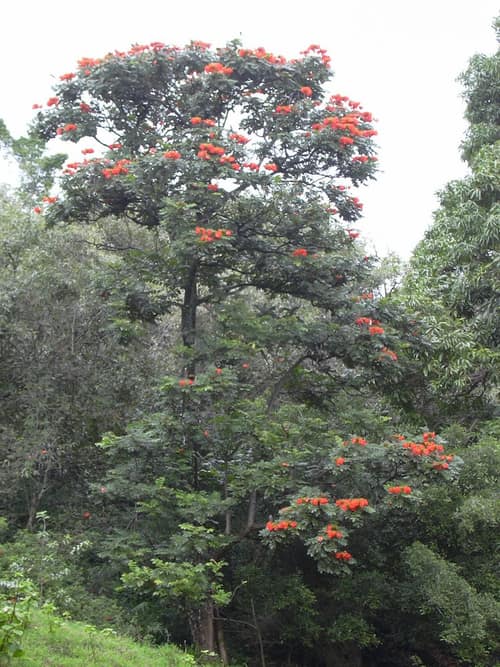
Close Relative Forest & Kim Starr / CC BY 3.0 · cc-by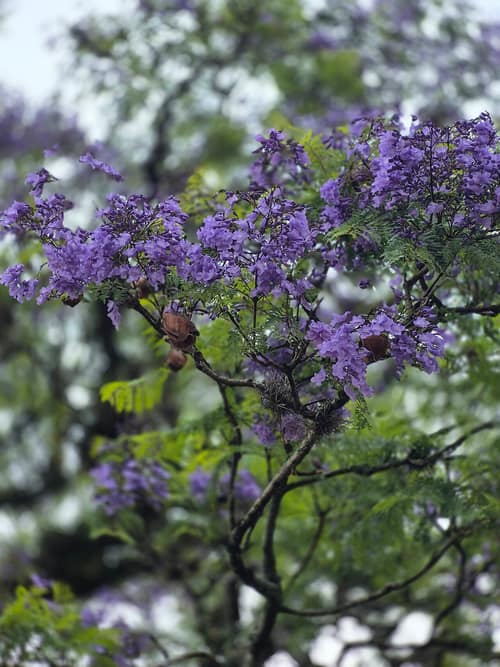
Close Relative O Tupinólogo / CC BY 4.0 · cc-by
Help improve the field guideSomething wrong?
Checking your Fauna account…Report a name, category, or profile issue for review.