
Plant · GBIF taxon 3172499
Blue Jacaranda
Jacaranda mimosifoliaAlso known as Jacaranda, Black Poui, Fern Tree
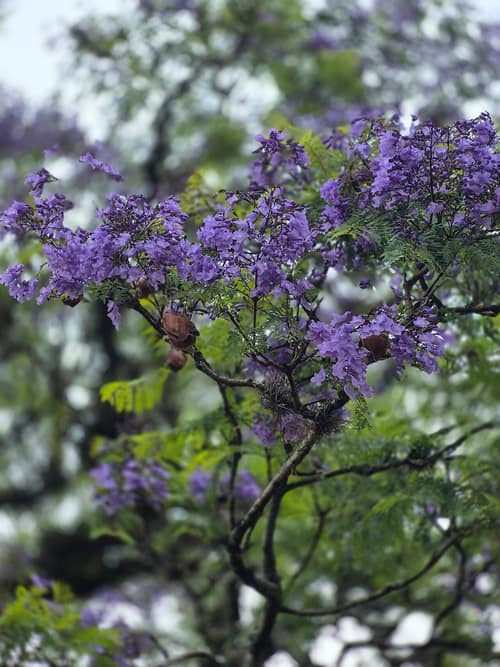
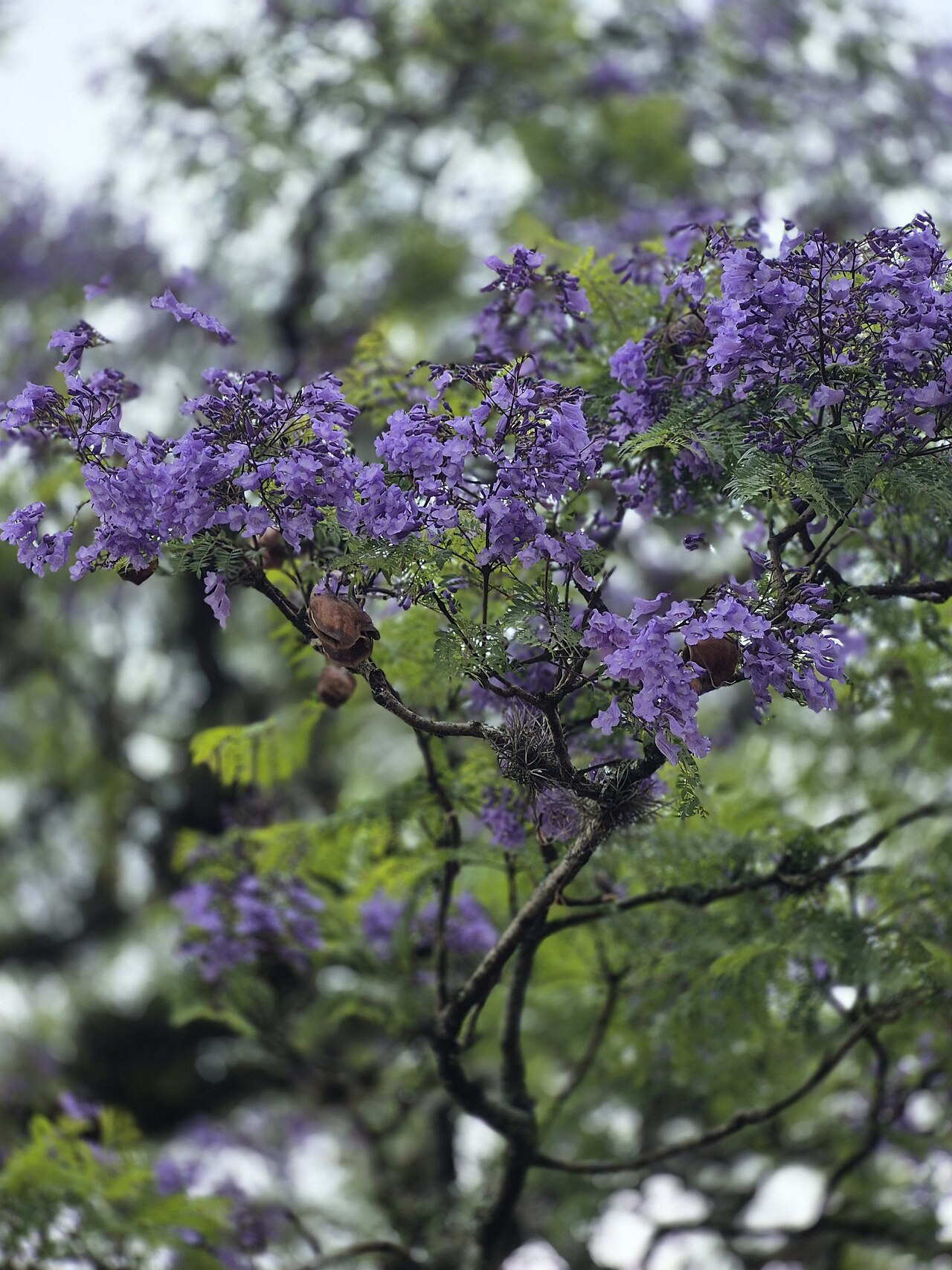
Blue jacarandas transform urban streets and parklands into vibrant violet canopies each spring with their prolific clusters of trumpet-shaped flowers. Native to the dry valleys of south-central South America, these fast-growing trees feature soft, fern-like foliage and woody, disk-like seed capsules. While wild populations face ongoing habitat loss in their native range, cultivated specimens flourish across warm-temperate and subtropical zones worldwide.
Flowering TreeDeciduousOrnamental
—observations
—countries
—peak records
VulnerableConservation statusIUCN Red List categoriesLCNTVUENCREWEXVulnerableRed List categories, explained →
Diet & prey
- Autotrophic (Photosynthesis)
Predators
Not available
ThreatsAgricultural clearing, land development in native range
HabitatsSubtropical dry forests, urban parks, street avenues
Life span50–150 years
Size / weightNot available
Classification
- OrderLamiales
- FamilyBignoniaceae
- GenusJacaranda
- SpeciesJacaranda mimosifolia
Range data is not available yet.
Interaction riskLow
- Low
- Moderate
- High
- Very high
- Why interaction risk is low
- Safe to observe at a normal distance.
- What to notice
- Recognized by its bipinnate fern-like leaves, purple tubular blossoms, and flattened woody seed pods.
- Support conservation
- Observe urban specimens freely, but avoid harvesting seed or disturbing native habitat in South America.
Responsible observation
- Best Viewing: Look for dramatic purple canopy displays in mid-to-late spring before leaves fully emerge.
- Pod Identification: Search lower branches for flat, circular, woody seed pods that resemble castanets.
- Footwear Caution: Take care walking under blooming trees, as dropped wet flowers create slippery paths.
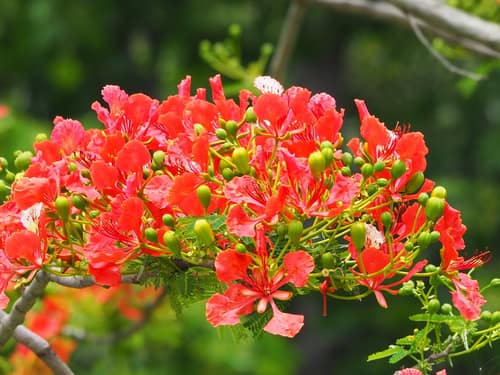
Frequent Companion no rights reserved, uploaded by 葉子 · cc0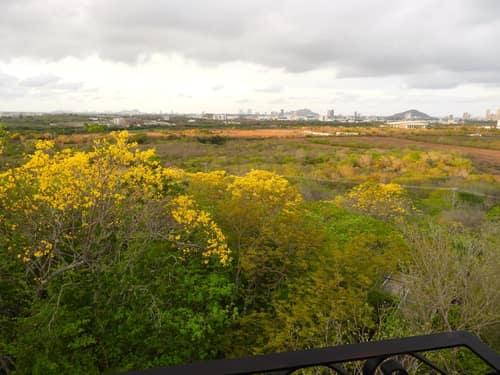
Family Relative (c) Francisco Farriols Sarabia, some rights reserved (CC BY) · cc-by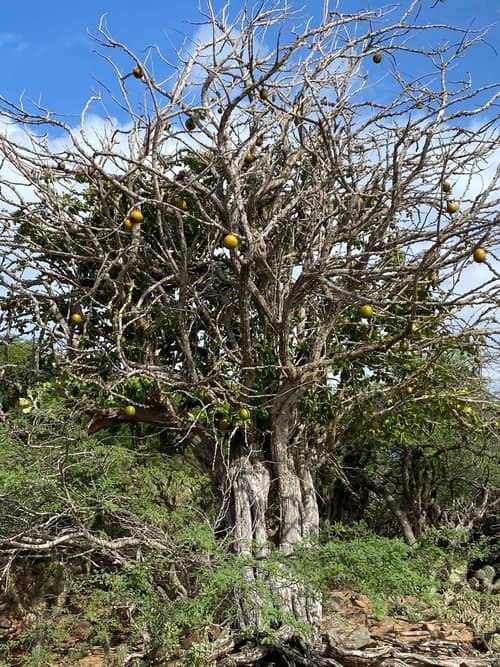
Family Relative no rights reserved, uploaded by Jean-Paul Boerekamps · cc0
Help improve the field guideSomething wrong?
Checking your Fauna account…Report a name, category, or profile issue for review.