
Plant · GBIF taxon 3169674
Red Frangipani
Plumeria rubraAlso known as Frangipani, Temple Tree, Pagoda Tree, Plumeria
Red frangipani produces velvety, intensely fragrant blossoms that release their sweetest aroma at night to entice pollinating sphinx moths. Thick, succulent branches shed their long leathery leaves during dry winter seasons, giving the tree a distinct skeletal appearance before exploding into vibrant pinwheel blooms. Cultivated across tropical regions worldwide, this resilient tree secretes a protective sticky latex when cut or bruised.
FragrantTropicalFlowering
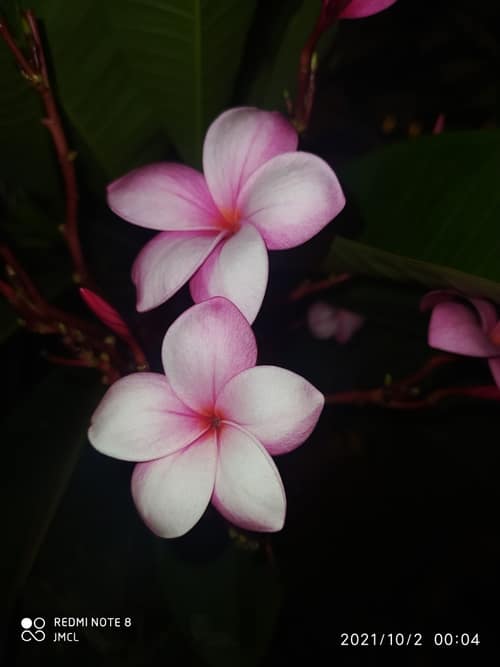
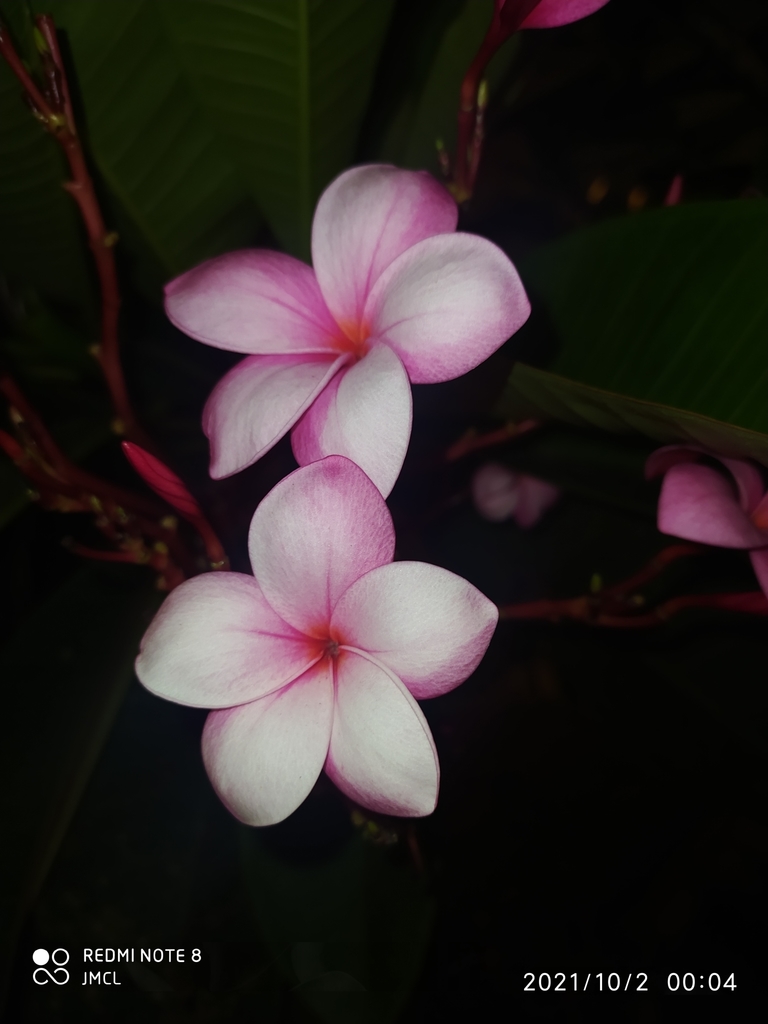
—observations
—countries
—peak records
Least ConcernConservation statusIUCN Red List categoriesLCNTVUENCREWEXLeast ConcernRed List categories, explained →
Diet & prey
- Autotrophic
Predators
- Tetrio Sphinx Caterpillar
- Plumeria Stem Borer
- Spider Mites
ThreatsHabitat clearance in native ranges, rust fungi, and stem-boring insects
HabitatsTropical dry forests, coastal thickets, urban gardens, and parks
Life span40–100 years
Size / weightNot available
Classification
- OrderGentianales
- FamilyApocynaceae
- GenusPlumeria
- SpeciesPlumeria rubra
Range data is not available yet.
Interaction riskHigh
- Low
- Moderate
- High
- Very high
- Why interaction risk is high
- Milky sap causes skin irritation and is toxic if ingested; handle with gloves and keep away from pets.
- Why it is dangerous
- Produces a milky latex sap containing iridoids and alkaloids that cause skin dermatitis, severe eye irritation, and digestive distress.
- How to recognize a risky encounter
- Look for thick, succulent branches that bleed sticky white sap when bruised, paired with fragrant five-petaled blossoms.
- What to do
- Avoid touching broken stems bare-handed, wash exposed skin immediately, and keep pets from chewing on branches.
Responsible observation
- Flower Spotting: Look for spiral-shaped buds opening into five-petaled pinwheel blossoms from late spring through autumn.
- Handling Precautions: Wear gloves when pruning or taking cuttings, as the white latex sap can inflame bare skin.
- Cultivation: Ensure full sun exposure and well-draining soil to prevent root rot during dormant winter periods.
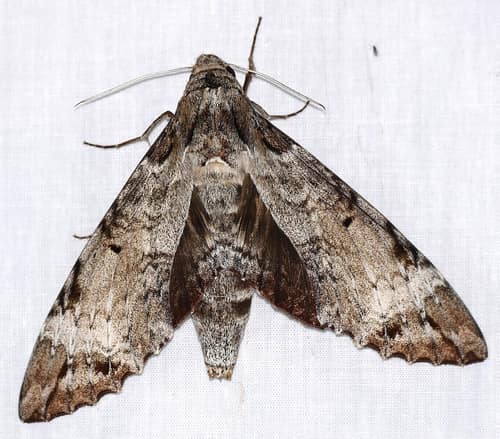
Specialist Herbivore Bernard DUPONT from FRANCE / CC BY-SA 2.0 · cc-by-sa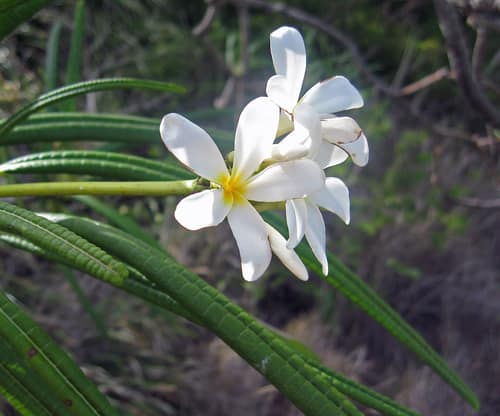
Close Relative Doug from Troutville, VA, USA / CC BY 2.0 · cc-by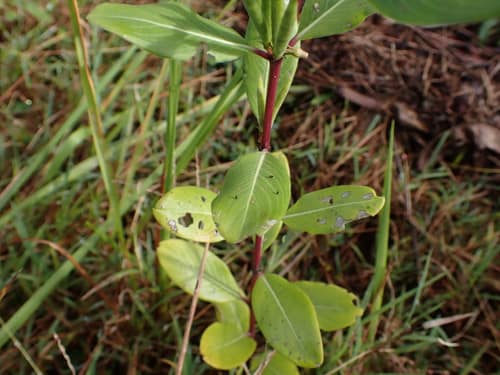
Family Member (c) Louis Aureglia, some rights reserved (CC BY), uploaded by Louis Aureglia · cc-by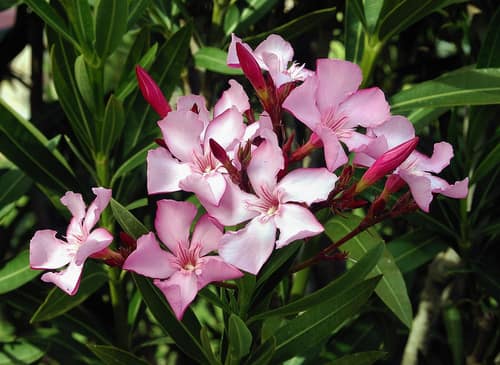
Family Member Alvesgaspar / CC BY 2.5 · cc-by
Help improve the field guideSomething wrong?
Checking your Fauna account…Report a name, category, or profile issue for review.