Also known as Pinwheel Flower, East India Rosebay, Ceylon Jasmine, Nero's Crown
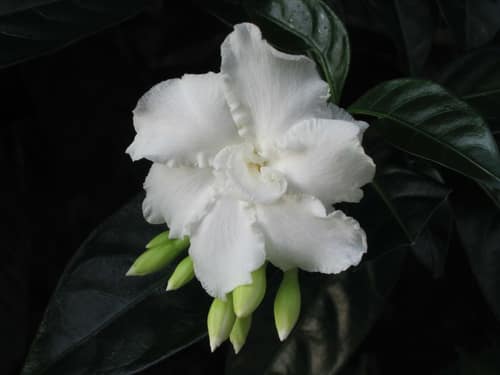
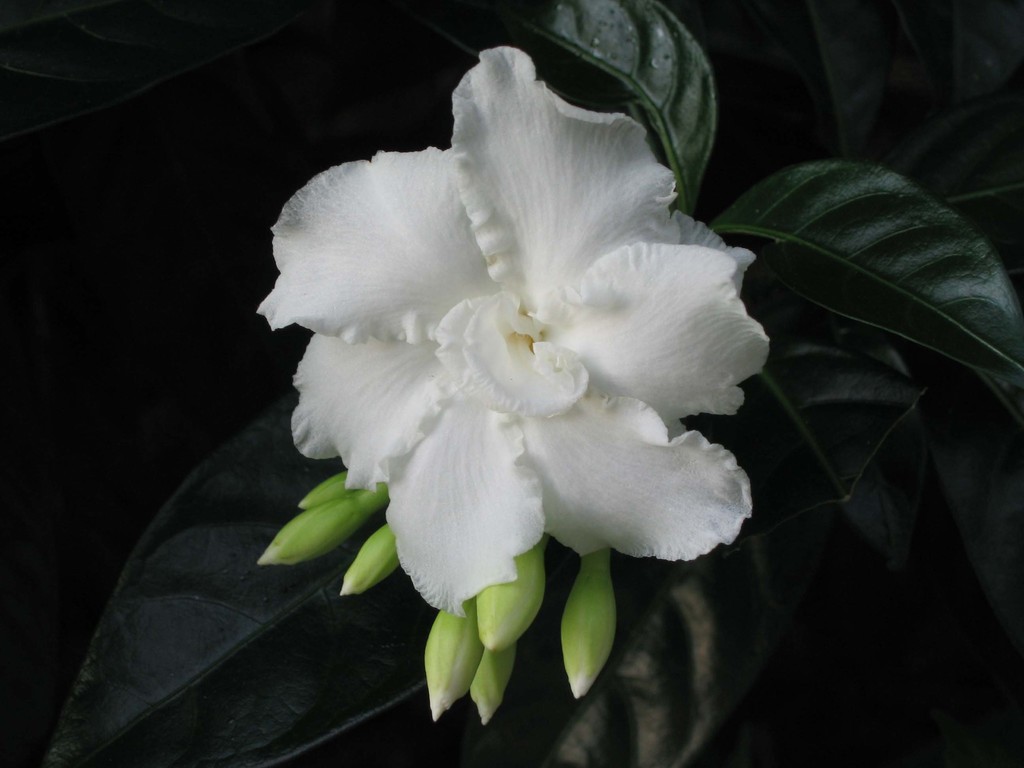
Crepe jasmine is a lush evergreen shrub prized for its glossy dark green foliage and waxy, snow-white blossoms arranged in distinctive pinwheel forms. Broken stems release a sticky milky latex rich in bioactive indole alkaloids that defend the plant against generalist herbivores. The pristine flowers open throughout the year in warm climates, releasing a subtle, sweet perfume that intensifies notably after dusk to attract nocturnal insect pollinators.
Not EvaluatedConservation statusIUCN Red List categoriesLCNTVUENCREWEXNot Evaluated — not placed on the risk ladderRed List categories, explained →
Key facts
Diet & preyPhotosynthesis
Predators
Oleander caterpillar
Scale insects
Spider mites
ThreatsHabitat loss from agricultural expansion in native wild ranges
HabitatsTropical moist forests, coastal scrub, forest edges, and cultivated gardens
Life span15–30 years
Classification
OrderGentianales
FamilyApocynaceae
GenusTabernaemontana
SpeciesTabernaemontana divaricata
Range & activity
Range data is not available yet.
Safe observation
Interaction riskHigh
Low
Moderate
High
Very high
Why interaction risk is high
Milky latex can irritate skin and eyes, and plant tissues are toxic if ingested; avoid contact with sap.
Why it is dangerous
Produces indole alkaloids such as tabernaemontanine and coronaridine that cause vomiting, cardiac irregularities, and nervous system depression if eaten, while the latex causes burning skin rashes and conjunctivitis.
How to recognize a risky encounter
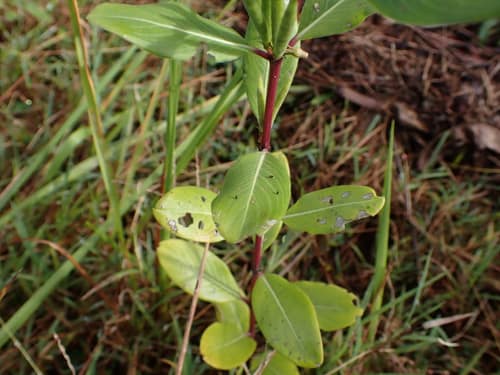
Look for glossy elliptic leaves arranged in opposite pairs that weep opaque white latex when torn, paired with five-lobed pinwheel-shaped white flowers.
What to do
Wear protective gloves when trimming, wash any sap off skin immediately with soap and water, and keep domestic animals from chewing the foliage.
Responsible observation
Pruning Care: Wear gloves when cutting branches to avoid contact with the caustic white sap.
Evening Fragrance: Visit outdoor plantings just after sunset when the floral aroma is strongest.