
Plant
American Bittersweet
Celastrus scandensAlso known as Climbing Bittersweet, False Bittersweet, Staff Vine, Waxwork
American bittersweet is a vigorous deciduous woody vine native to North America that climbs by twining around trees, shrubs, and fences. In late autumn, its outer orange seed capsules peel back into three segments to reveal vibrant scarlet arils that persist well into winter. The vine plays an important ecological role by providing cold-weather sustenance to songbirds and small mammals, although it faces severe pressure from its invasive cousin, Oriental bittersweet.
Deciduous VineWoodlandClimbing
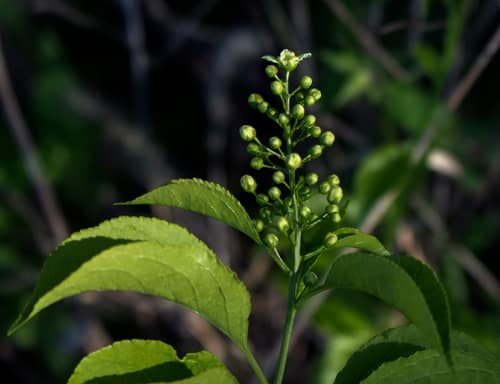

—observations
—countries
—peak records
Least ConcernConservation statusIUCN Red List categoriesLCNTVUENCREWEXLeast ConcernRed List categories, explained →
Diet & preyAutotrophic (photosynthetic)
Predators
- White-tailed Deer
- Eastern Cottontail
ThreatsHybridization and displacement by invasive Oriental bittersweet, habitat fragmentation
HabitatsRich woodland edges, thickets, rocky slopes, and riverbanks
Life span20–50 years
Classification
- FamilyCelastraceae
- SpeciesCelastrus scandens
Range data is not available yet.
Interaction riskHigh
- Low
- Moderate
- High
- Very high
- Why interaction risk is high
- Berries and foliage are toxic to humans and pets; wild fruits have toxic look-alikes, never ingest.
- Why it is dangerous
- Contains toxic glycosides and alkaloids that cause acute vomiting, diarrhea, abdominal pain, and lethargy if ingested by humans or pets.
- How to recognize a risky encounter
- Recognized by smooth woody stems twining tightly around supports and clusters of round, orange-yellow capsules splitting into three parts.
- What to do
- Keep ornamental cuttings away from children and household pets, and wash skin after pruning or handling.
Responsible observation
- Check Cluster Position: American bittersweet bears flowers and fruit exclusively in terminal clusters at stem tips.
- Prevent Invasive Spread: Confirm native identification before planting or collecting ornamental winter wreaths.
- Wear Garden Gloves: Handle vines carefully to avoid accidental ingestion of plant sap or fruit residues.
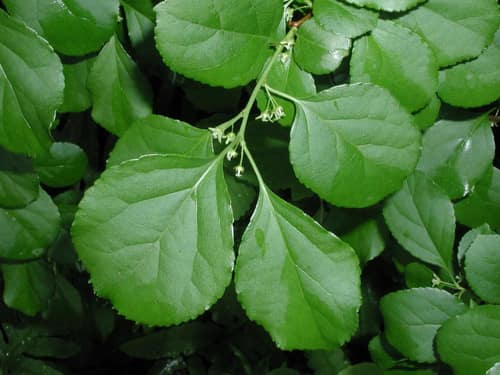
Invasive Competitor (c) Leslie J. Mehrhoff, University of Connecticut, Bugwood.org, some rights reserved (CC BY) · cc-by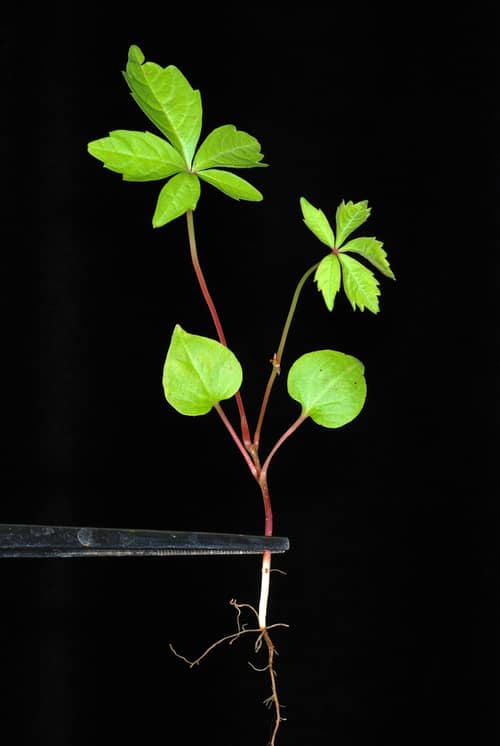
Frequent Companion (c) Douglas Goldman, some rights reserved (CC BY-SA), uploaded by Douglas Goldman · cc-by-sa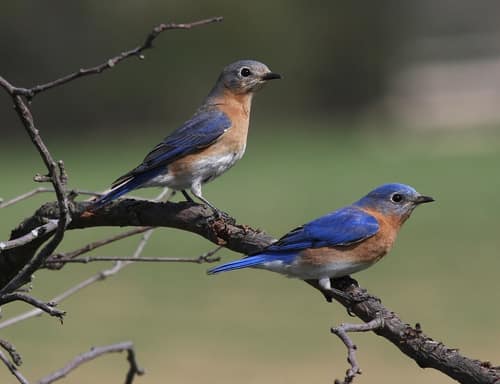
Seed Disperser Sandysphotos2009 / CC BY 2.0 · cc-by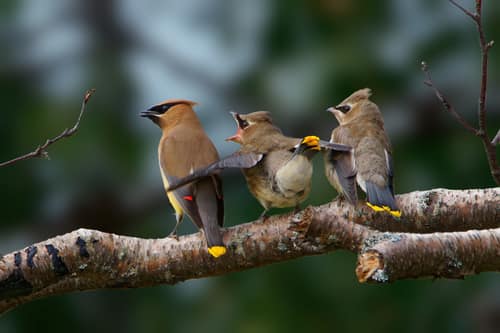
Seed Disperser (c) Christian Back, some rights reserved (CC BY), uploaded by Christian Back · cc-by
Help improve the field guideSomething wrong?
Checking your Fauna account…Report a name, category, or profile issue for review.