
Bird
Cedar Waxwing
Bombycilla cedrorumAlso known as Cedarbird, Southern Waxwing, Carolina Waxwing
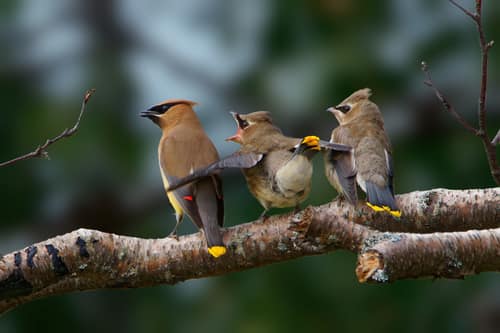
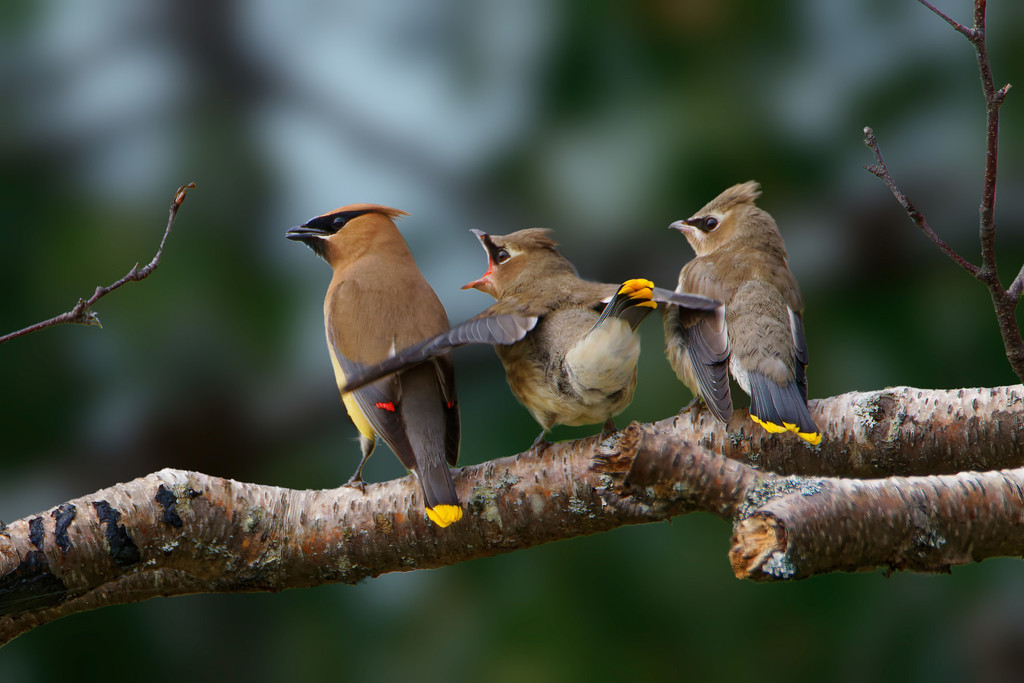
Cedar waxwings are sleek, social songbirds distinguished by a prominent feathered crest, a silky brown-to-gray body, and bright red wax-like drops on their secondary wing feathers. They travel in nomadic, highly coordinated flocks, feeding extensively on wild berries and catching flying insects over rivers during warmer months. Courtship pairs build bonds through a ritualized gift-giving dance, passing a single berry or flower petal back and forth between their beaks.
FrugivorousFlockingSongbird
—observations
—countries
—peak records
Least ConcernConservation statusIUCN Red List categoriesLCNTVUENCREWEXLeast ConcernRed List categories, explained →
Diet & preyJuniper berries, Serviceberries, Mayflies
Predators
- Cooper's Hawk
- Sharp-shinned Hawk
- Merlin
ThreatsWindow collisions, domestic cats, pesticide exposure
HabitatsOpen woodlands, suburban parks, orchards, riparian forest edges
Life span5–8 years in the wild
Classification
- OrderPasseriformes
- FamilyBombycillidae
- GenusBombycilla
- SpeciesBombycilla cedrorum
Range data is not available yet.
Interaction riskLow
- Low
- Moderate
- High
- Very high
- Why interaction risk is low
- Safe to observe at a normal distance.
Responsible observation
- Plant Native Shrubs: Grow berry-bearing trees like juniper, serviceberry, and dogwood to attract wandering winter flocks.
- Prevent Window Strikes: Install window decals or netting on glass facing fruiting trees to prevent fatal crashes.
- Listen for Calls: Search high branches when hearing thin, high-pitched zreeee whistles overhead.
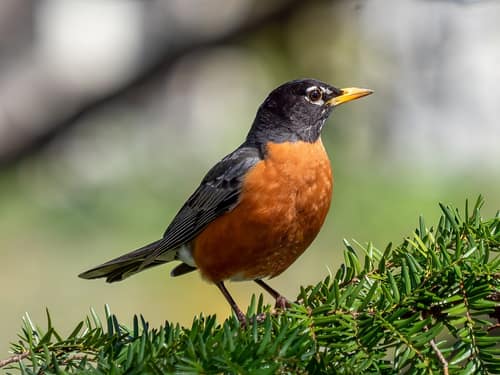
Frequent Companion Rhododendrites / CC BY-SA 4.0 · cc-by-sa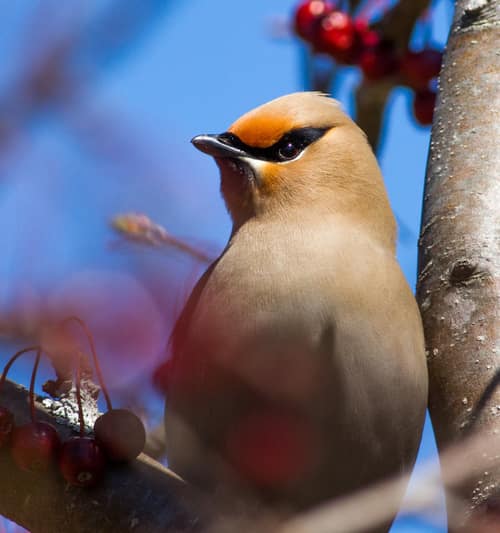
Close Relative (c) Fyn Kynd, some rights reserved (CC BY-SA), uploaded by Fyn Kynd · cc-by-sa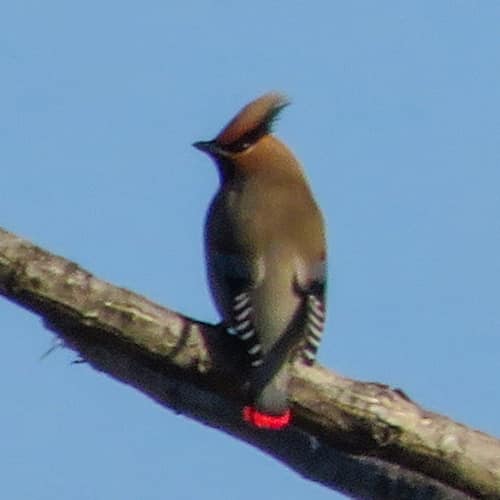
Close Relative (c) Timur Kalininsky, some rights reserved (CC BY) · cc-by
Help improve the field guideSomething wrong?
Checking your Fauna account…Report a name, category, or profile issue for review.