
Plant · GBIF taxon 3168995
Wax Myrtle
Morella ceriferaAlso known as Southern Wax Myrtle, Southern Bayberry, Candleberry, Tallow Shrub
Wax myrtles are hardy evergreen shrubs whose dark green leaves release a spicy resinous scent when crushed. Female plants produce dense clusters of pale blue, pale-gray waxy berries in winter, providing crucial fuel for migrating and wintering songbirds. Symbiotic bacteria in their root nodules allow them to fix atmospheric nitrogen, letting them thrive in poor coastal sands and damp pine flatwoods across eastern North America.
AromaticEvergreenCoastal
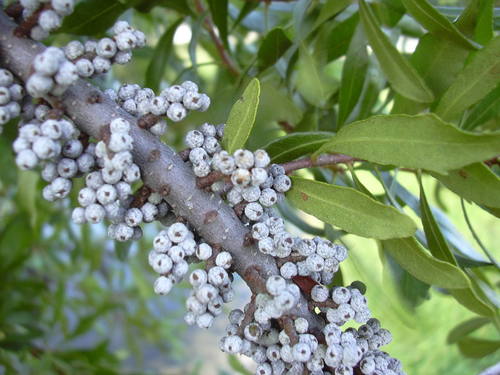
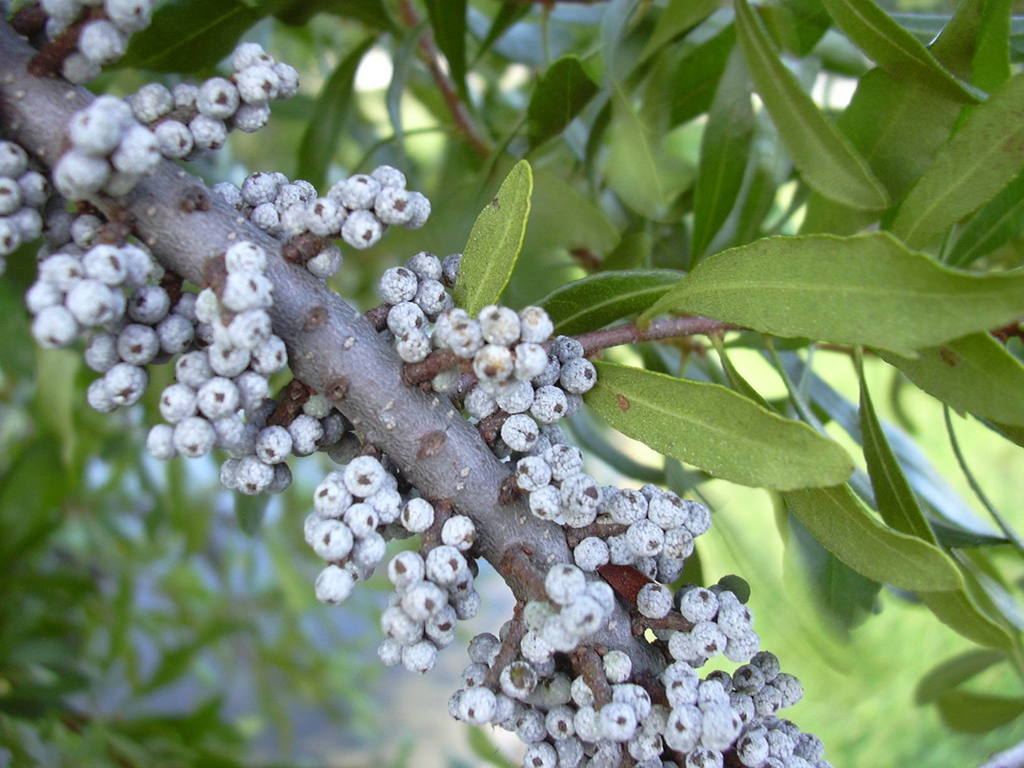
—observations
—countries
—peak records
Least ConcernConservation statusIUCN Red List categoriesLCNTVUENCREWEXLeast ConcernRed List categories, explained →
Diet & prey
- Sunlight
- Water
- Atmospheric Nitrogen
Predators
- White-tailed Deer
ThreatsCoastal development, sea level rise, intense fire suppression
HabitatsCoastal dunes, pine flatwoods, bogs, stream banks, maritime forests
Life span30–50 years
Classification
- OrderFagales
- FamilyMyricaceae
- GenusMorella
- SpeciesMorella cerifera
Range data is not available yet.
Interaction riskLow
- Low
- Moderate
- High
- Very high
- Why interaction risk is low
- Wild berries have toxic look-alikes; never eat based on app identification alone.
Responsible observation
- Scent Identification: Gently crush a leaf between your fingers to release the spicy, aromatic bayberry scent.
- Sex Identification: Look for tiny waxy berries on female plants during autumn and winter, as male plants bear no fruit.
- Wildlife Watching: Stand back quietly near fruiting bushes in winter to observe feeding warblers and tree swallows.
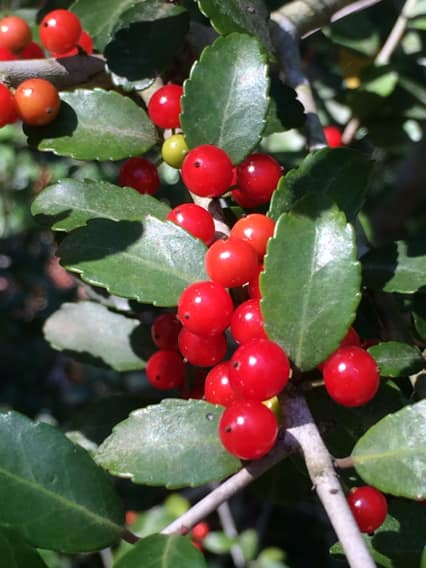
Frequent Companion (c) Laura Clark, some rights reserved (CC BY), uploaded by Laura Clark · cc-by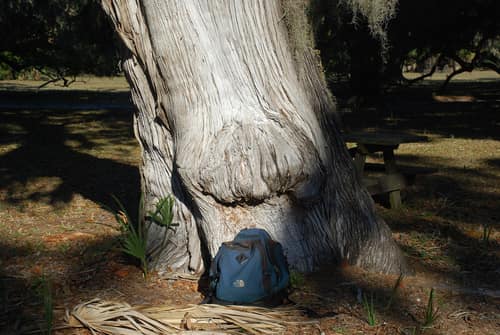
Frequent Companion (c) Douglas Goldman, some rights reserved (CC BY-SA), uploaded by Douglas Goldman · cc-by-sa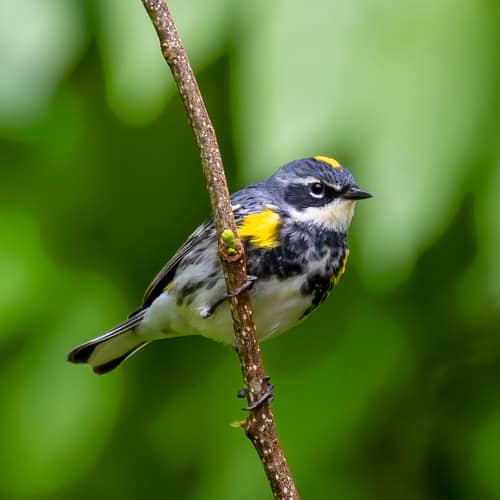
Seed Disperser (c) Dan Vickers, some rights reserved (CC BY), uploaded by Dan Vickers · cc-by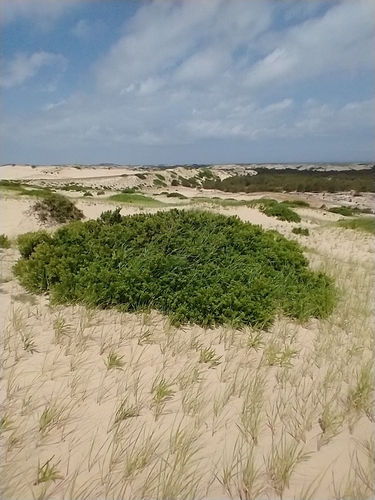
Close Relative (c) Tom Norton, some rights reserved (CC BY) · cc-by
Help improve the field guideSomething wrong?
Checking your Fauna account…Report a name, category, or profile issue for review.