Species · GBIF taxon 7341805
Yellow-rumped Warbler
Setophaga coronataAlso known as Myrtle Warbler, Audubon's Warbler, Butterbutt
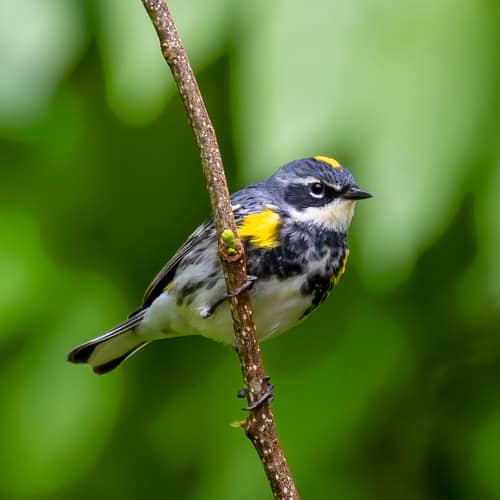
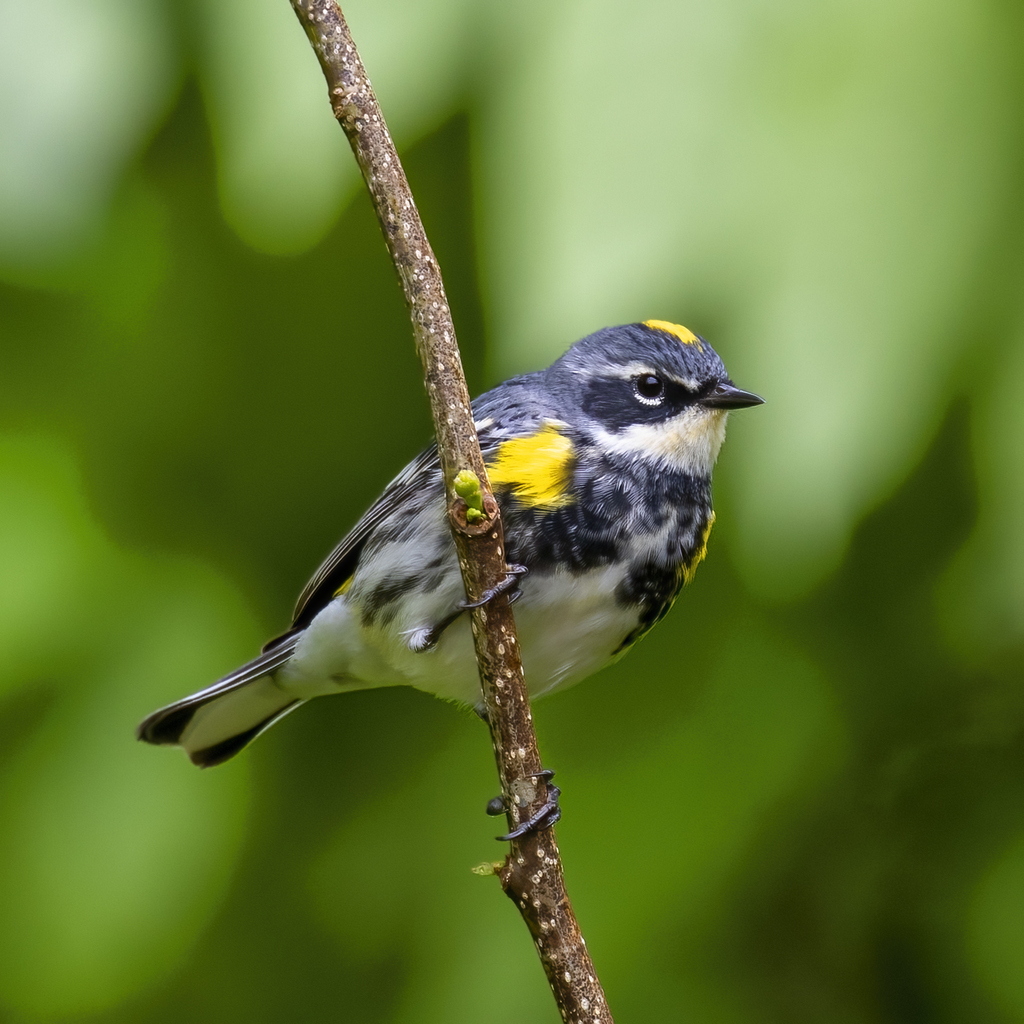
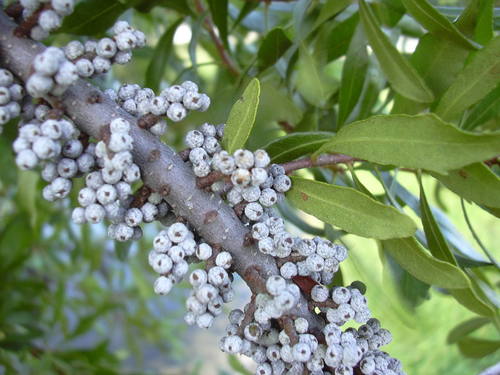
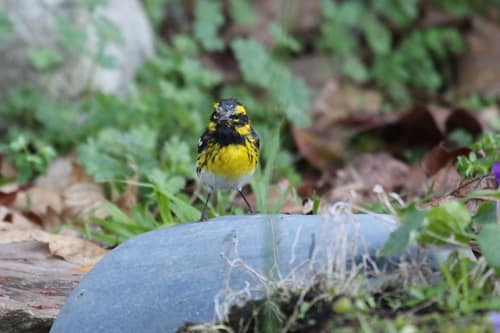
Yellow-rumped Warblers are highly active, versatile foragers easily recognized by the bright yellow patches on their rumps, flanks, and crowns. They possess a unique ability to digest waxy bayberries and wax myrtle berries, allowing them to winter much further north than other American warblers. During migration, they travel in large, loose flocks, filling the forest canopy with sharp, metallic chipping calls as they dart after flying insects.
MigratoryInsectivorousVocal
1 / 7—observations
—countries
—peak records
Least ConcernConservation statusIUCN Red List categoriesLCNTVUENCREWEXLeast ConcernRed List categories, explained →
Diet & prey
- Caterpillars
- Juniper Berries
- Beetles
Predators
- Sharp-shinned Hawk
- Domestic Cat
- Merlin
ThreatsHabitat loss, window collisions, and pesticides
HabitatsConiferous and mixed forests, shrublands, and parks
Life span5 to 7 years
Size / weightNot available
Classification
- OrderPasseriformes
- FamilyParulidae
- GenusSetophaga
- SpeciesSetophaga coronata
Range data is not available yet.
Interaction riskLow
- Low
- Moderate
- High
- Very high
- Why interaction risk is low
- Safe to observe at a normal distance.
Responsible observation
- Listen for Chips: Locate these active birds by listening for their sharp, distinctive check call note in the brush.
- Plant Native Shrubs: Attract wintering warblers to your yard by planting wax myrtle, juniper, or bayberry bushes.
- Watch the Canopy: Look for their characteristic flycatcher-style sallying behavior as they snatch insects mid-air.
Keep collecting in Fauna
Found in Collections
Species set Pro
Backyard Birds
Yellow-rumped Warbler is found in this collection. Identify it in Fauna to fill this slot and continue your progress.
Unlock to track progress
Help improve the field guideSomething wrong?
Checking your Fauna account…Report a name, category, or profile issue for review.