
Plant · GBIF taxon 3150918
Sanguine Purple Coneflower
Echinacea sanguineaAlso known as Sanguine Coneflower, Texas Coneflower
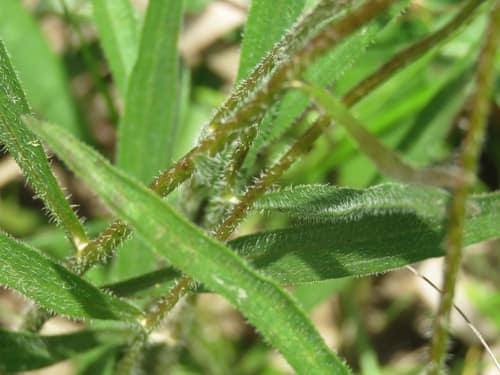
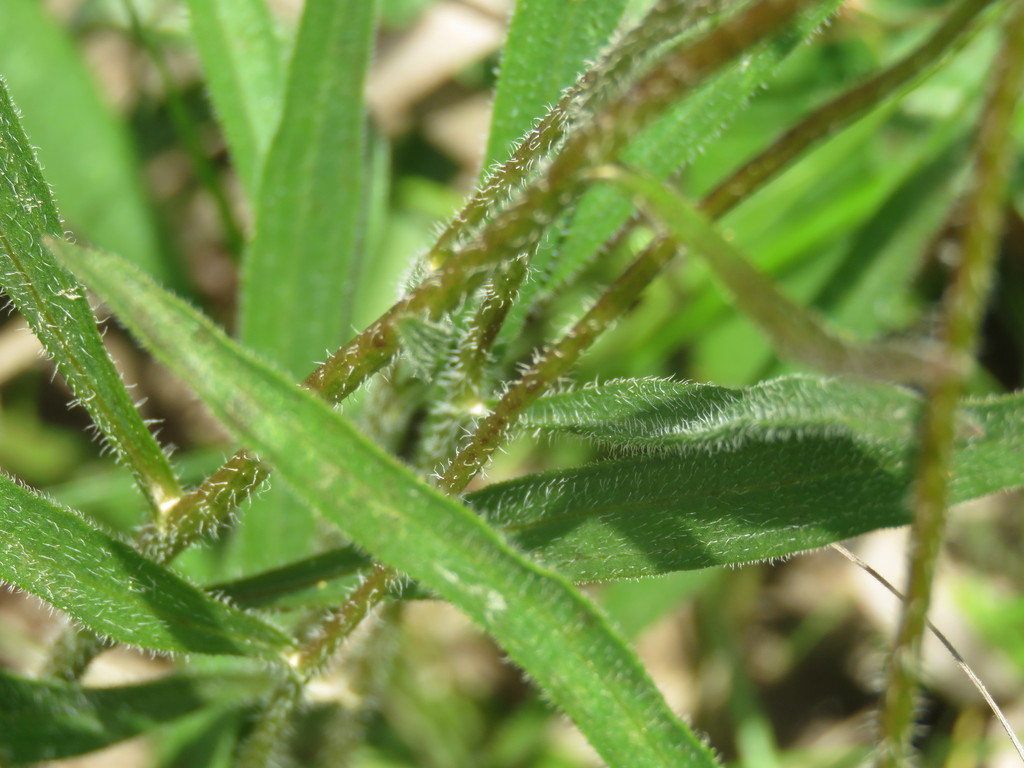
Sanguine purple coneflower brightens open pine woods and sandy prairies with slender, reflexed ray petals ranging from rosy pink to deep crimson. As the southernmost member of its genus, it thrives in warm, fast-draining soils across the West Gulf Coastal Plain. Native bees and butterflies frequently visit the prominent spiky central cones for nectar, while finches feast on the maturing seeds in autumn.
NativePerennialWildflower
 1 / 7
1 / 7—observations
—countries
—peak records
Not EvaluatedConservation statusIUCN Red List categoriesLCNTVUENCREWEXNot Evaluated — not placed on the risk ladderRed List categories, explained →
Diet & prey
- Autotrophic (Photosynthetic)
Predators
- White-tailed Deer
- Cottontail Rabbits
- American Goldfinches
ThreatsHabitat destruction, fire suppression, land conversion
HabitatsSandy prairies, open pine woodlands, pine savannas, roadsides
Life spanPerennial (5–10+ years)
Classification
- FamilyAsteraceae
- SpeciesEchinacea sanguinea
Range data is not available yet.
Interaction riskLow
- Low
- Moderate
- High
- Very high
- Why interaction risk is low
- Safe to observe at a normal distance.
Responsible observation
- Best Viewing Time: Look for bright blooms from late spring into mid-summer across native sandy pine savannas.
- Pollinator Observation: Pause near blooming clusters to watch native long-tongued bees and butterflies forage.
- Garden Cultivation: Provide full sun and loose, fast-draining soil to mimic its natural West Gulf habitats.
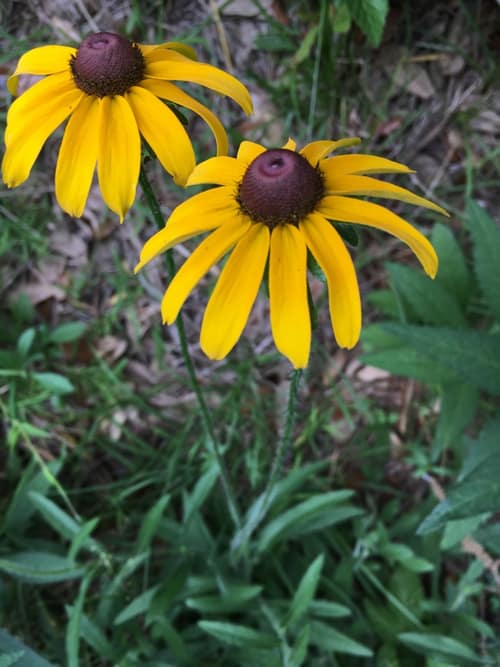
Prairie Companion no rights reserved, uploaded by Brady Reed · cc0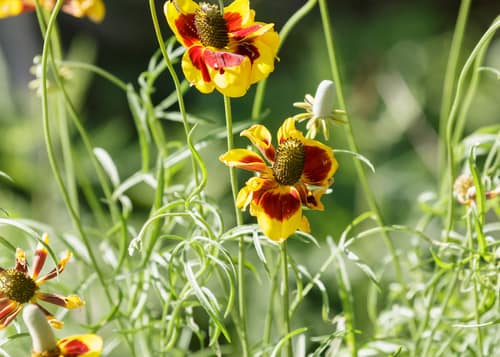
Prairie Companion (c) Meghan Cassidy, some rights reserved (CC BY-SA), uploaded by Meghan Cassidy · cc-by-sa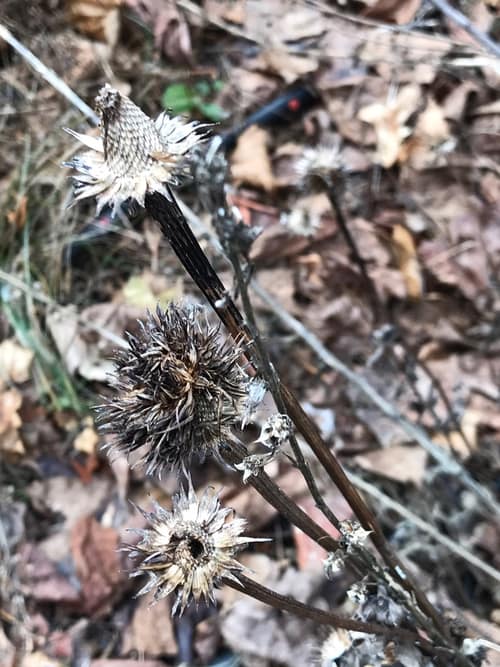
Close Relative (c) Sandy Wolkenberg, some rights reserved (CC BY), uploaded by Sandy Wolkenberg · cc-by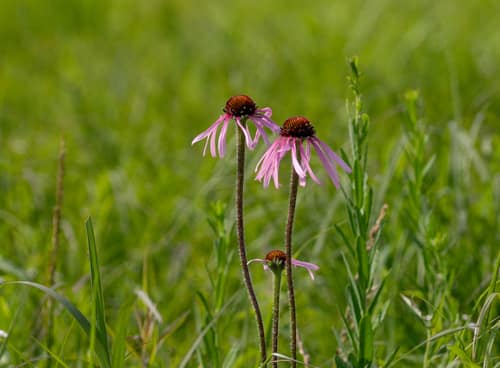
Close Relative (c) threelark, some rights reserved (CC BY), uploaded by threelark · cc-by
Help improve the field guideSomething wrong?
Checking your Fauna account…Report a name, category, or profile issue for review.