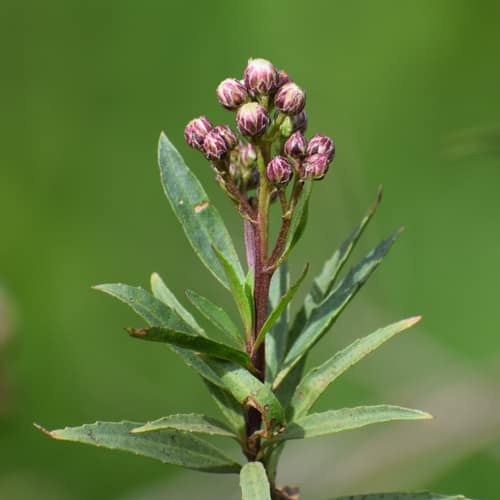
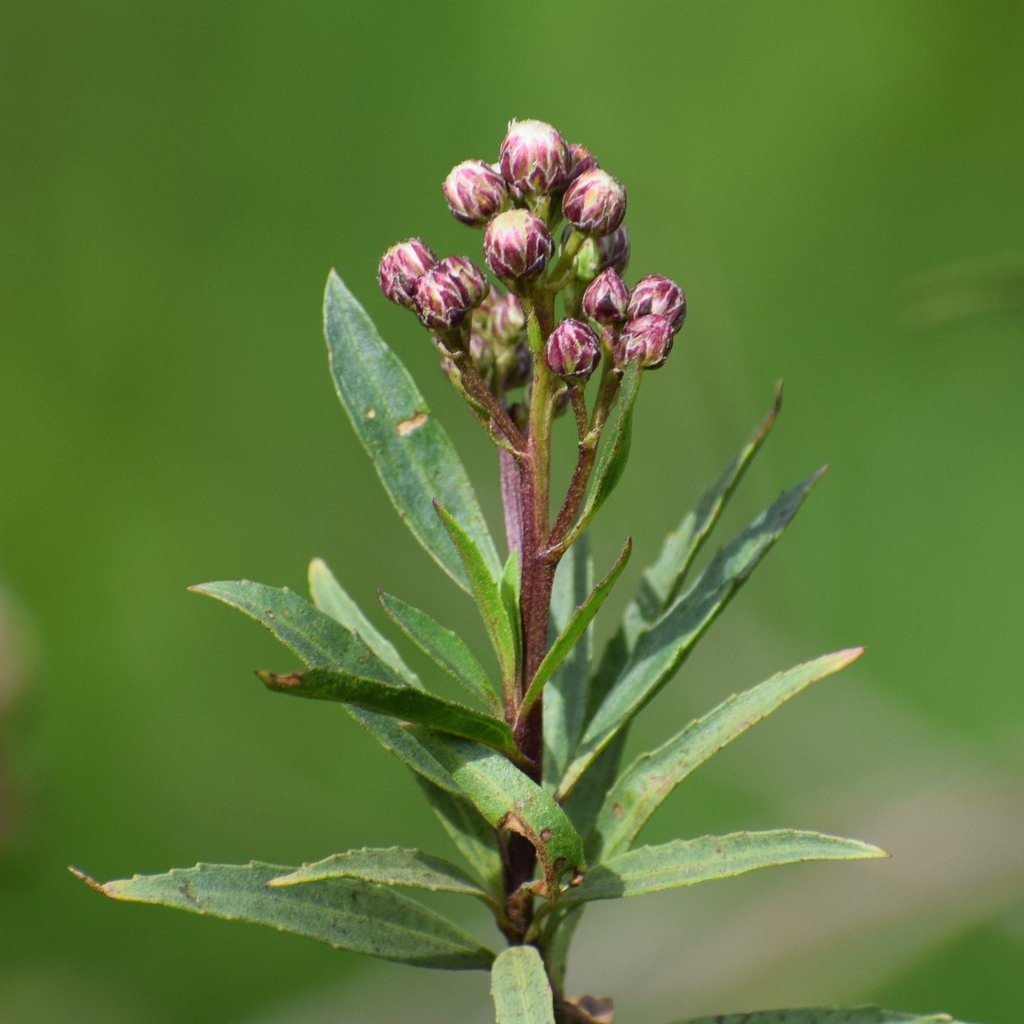
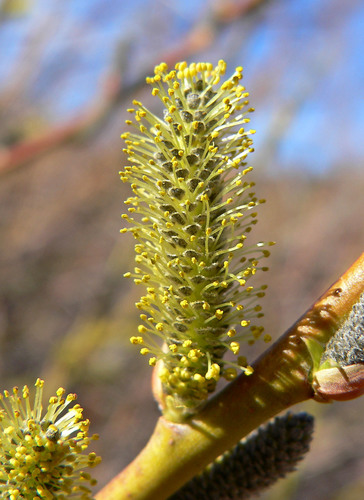
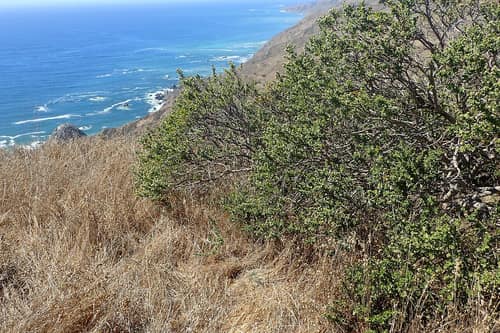
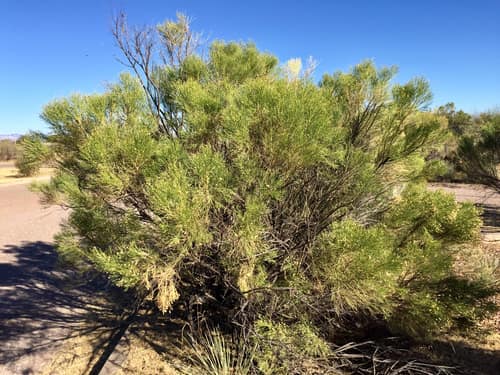
Also known as Seepwillow, Water-Wally, Seep Willow, Willow Baccharis
Mule fat forms dense, green thickets along stream banks and seasonal desert washes throughout the American Southwest and South America. Its long, sticky leaves closely resemble those of true willows, though late-season clusters of fuzzy, pinkish-white flowers reveal its membership in the sunflower family. These persistent blooms serve as a vital nectar source for native bees and butterflies while the plant's extensive root system stabilizes sandy riparian soils against winter floods.
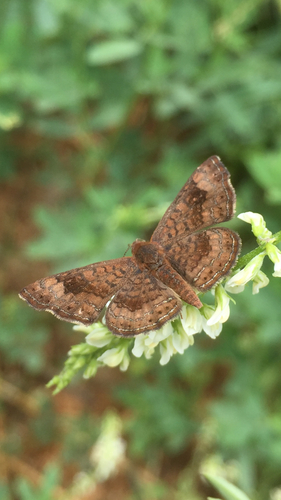
Pollinator Spotting: Inspect the sticky bloom clusters in late spring to spot butterflies, native bees, and fatal metalmark caterpillars.
Habitat Clue: Use this shrub as a natural indicator for shallow underground or seasonal water in arid western landscapes.
Identification Tip: Gently touch the narrow leaves to feel the sticky resin and smell the distinct herbal fragrance that sets it apart from true willows.