
Plant · GBIF taxon 3129497
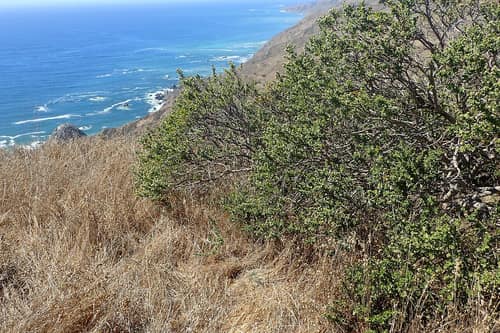
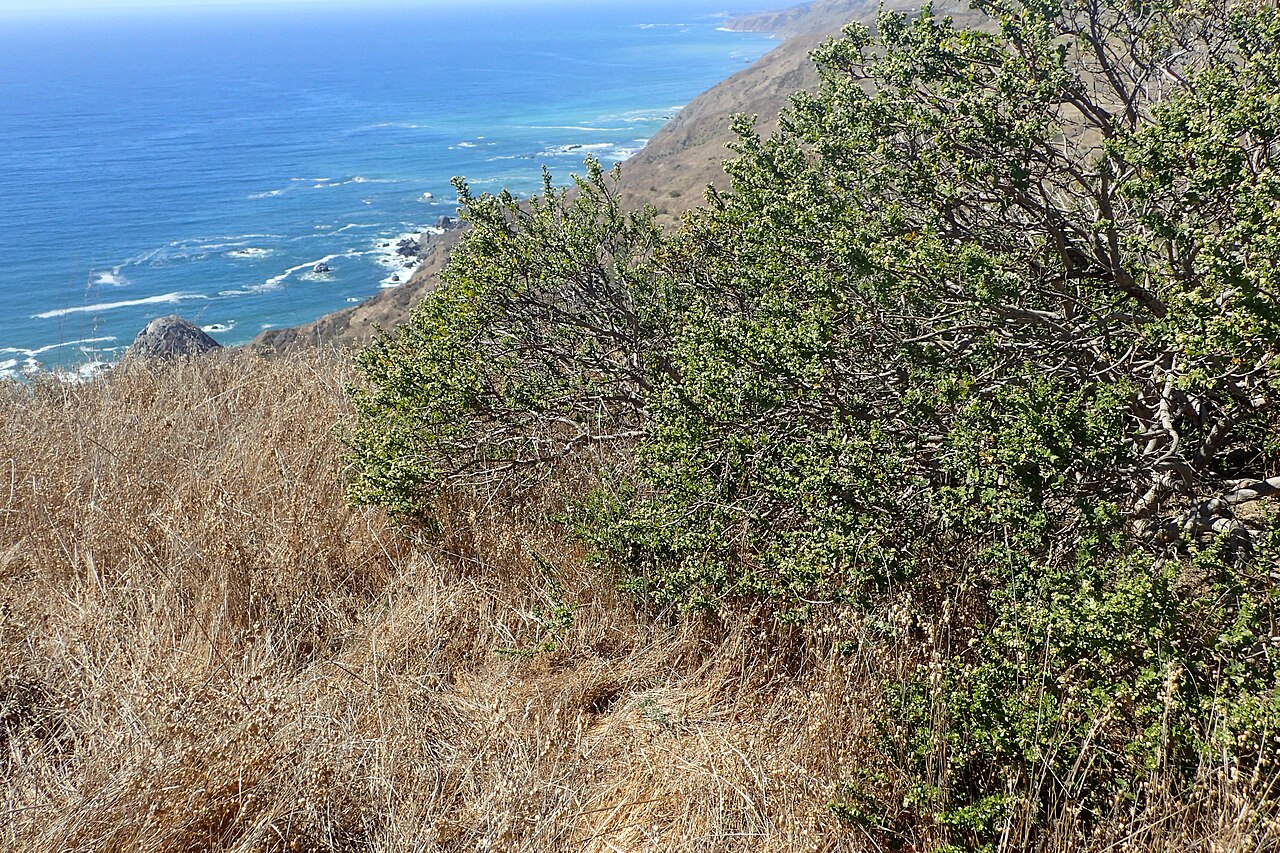
Coyote Brush
Baccharis pilularisAlso known as Chaparral Broom, Bush Baccharis
Coyote brush stands as a foundational evergreen shrub across western coastal habitats, anchoring coastal sage scrub and chaparral ecosystems with its dense, resinous foliage. As a dioecious plant, male bushes produce small yellow pollen clusters in autumn while female plants transform into fluffy white plumes of seed heads carried by the wind. Its deep root systems stabilize disturbed slopes against erosion, while its late-season blooms provide crucial nectar for native pollinators when few other plants are flowering.
EvergreenNativeShrub
—observations
—countries
—peak records
Least ConcernConservation statusIUCN Red List categoriesLCNTVUENCREWEXLeast ConcernRed List categories, explained →
Diet & prey
- Autotrophic (Photosynthetic)
Predators
- Mule Deer
- Brush Rabbits
- Gall Midges
ThreatsUrban development, agricultural conversion, altered fire frequency
HabitatsCoastal sage scrub, chaparral, oak woodland margins, coastal bluffs
Life span10–30 years
Size / weightNot available
Classification
- FamilyAsteraceae
- SpeciesBaccharis pilularis
Range data is not available yet.
Interaction riskLow
- Low
- Moderate
- High
- Very high
- Why interaction risk is low
- Safe to observe at a normal distance.
Responsible observation
- Seasonal timing: Look for fluffy cotton-like seed heads blanketed over female bushes in late autumn.
- Identification check: Gently crush the sticky dark green leaves between your fingers to release their resinous aroma.
- Ecology watching: Scan flowering branches in October to spot dozens of native wasps, flies, and solitary bees feeding on nectar.
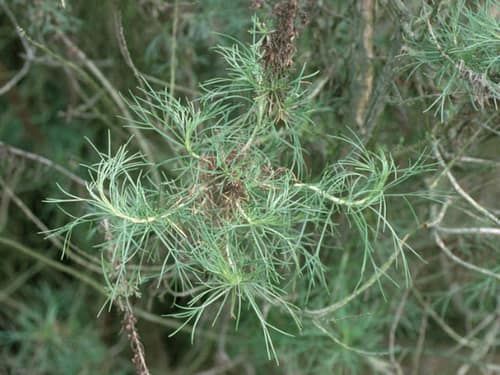
Frequent Companion (c) NatureShutterbug, some rights reserved (CC BY) · cc-by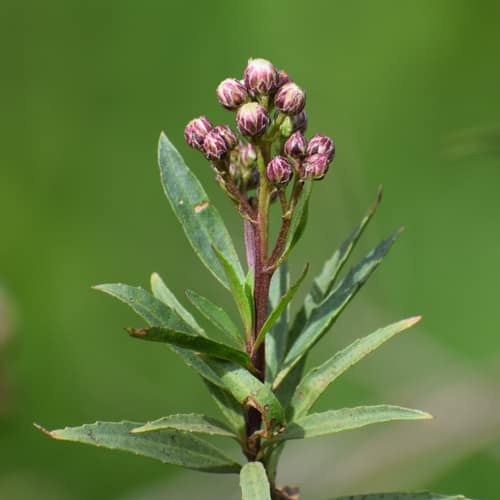
Close Relative no rights reserved, uploaded by Anne Parsons · cc0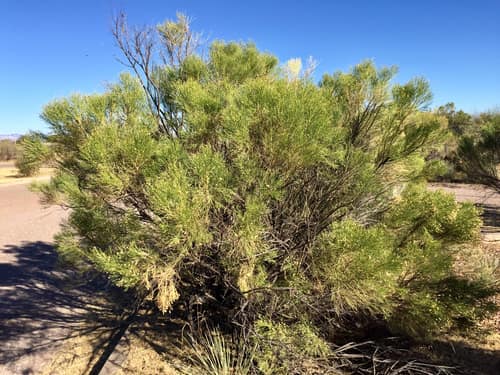
Close Relative (c) CK2AZ, some rights reserved (CC BY), uploaded by CK2AZ · cc-by
Help improve the field guideSomething wrong?
Checking your Fauna account…Report a name, category, or profile issue for review.