
Plant · GBIF taxon 3129915
Desert Broom
Baccharis sarothroidesAlso known as Broom Baccharis, Greasewood, Rosin-Bush, Groundsel
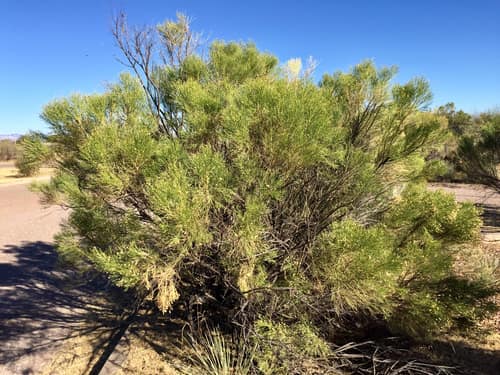
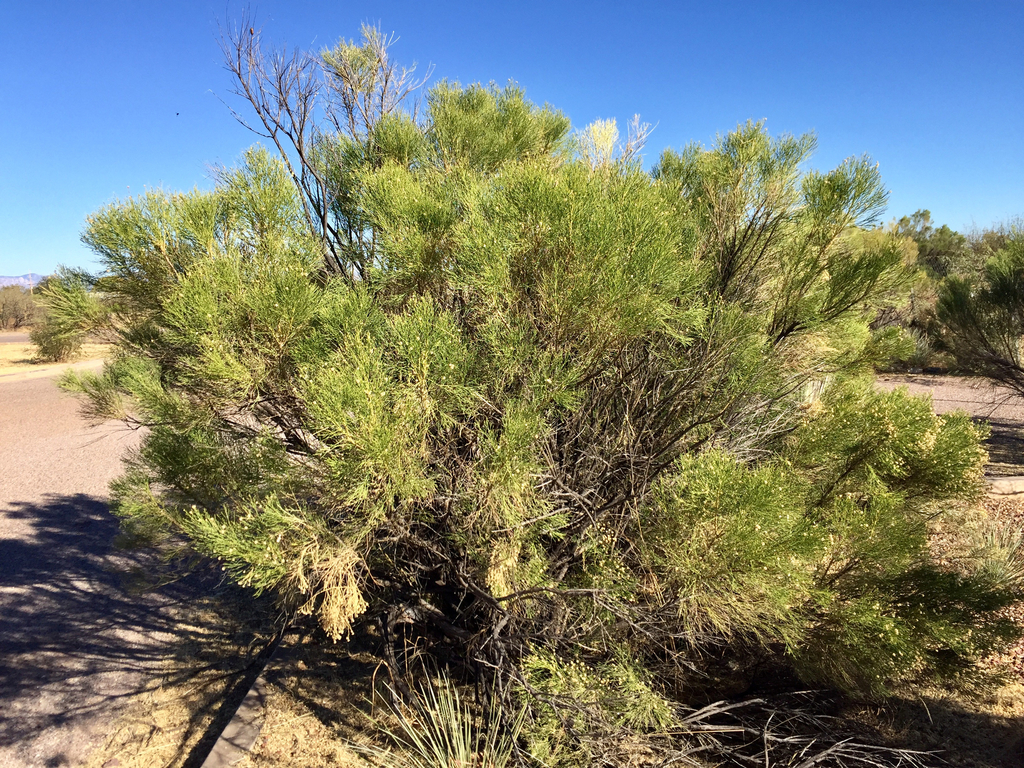
Desert broom thrives as a resilient pioneer shrub across the arid American Southwest and northern Mexico, rapidly colonizing gravelly washes and disturbed roadsides. Its dense, broom-like green stems carry out most of the plant's photosynthesis while minimizing moisture loss under intense desert heat. In autumn, female bushes explode into billowing masses of silvery, cotton-like seed heads that drift across the landscape on desert breezes.
DesertDrought-TolerantPioneer Species
—observations
—countries
—peak records
Not EvaluatedConservation statusIUCN Red List categoriesLCNTVUENCREWEXNot Evaluated — not placed on the risk ladderRed List categories, explained →
Diet & prey
- Autotrophic (photosynthesis)
Predators
- Desert Cottontail
- Mule Deer
- Baccharis Gall Midge
ThreatsHerbicidal eradication, land development, and fire clearance
HabitatsDesert washes, roadsides, disturbed soils, and arid canyons
Life span15–30 years
Classification
- OrderAsterales
- FamilyAsteraceae
- GenusBaccharis
- SpeciesBaccharis sarothroides
Range data is not available yet.
Interaction riskLow
- Low
- Moderate
- High
- Very high
- Why interaction risk is low
- Male flowers release prolific airborne pollen in autumn; maintain distance if sensitive to respiratory allergens.
- Why it is dangerous
- Male shrubs shed dense clouds of fine pollen that trigger severe allergic rhinitis, asthma flares, and conjunctivitis.
- How to recognize a risky encounter
- Look for dense clusters of nearly leafless, resinous green stems covered in tiny yellowish flower heads during autumn.
- What to do
- Wear a pollen mask during autumn winds or stay indoors if you have active seasonal desert allergies.
Responsible observation
- Seasonal Timing: Watch in late autumn when female shrubs erupt into dense clouds of white seed fluff.
- Fire Safety: Clear dried interior twigs away from structures, as mature bushes are extremely resinous and flammable.
- Wildlife Observation: Inspect the twiggy green canopy for camouflaged mantises, praying insects, and sheltering birds.
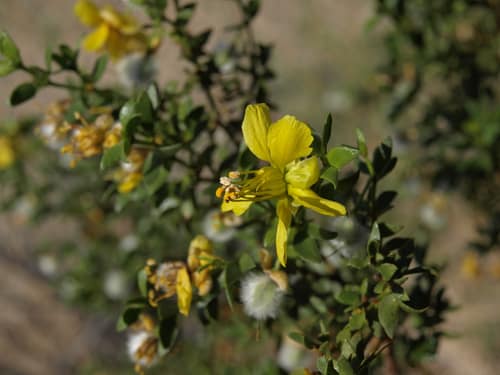
Frequent Companion (c) Jim Morefield, some rights reserved (CC BY), uploaded by Jim Morefield · cc-by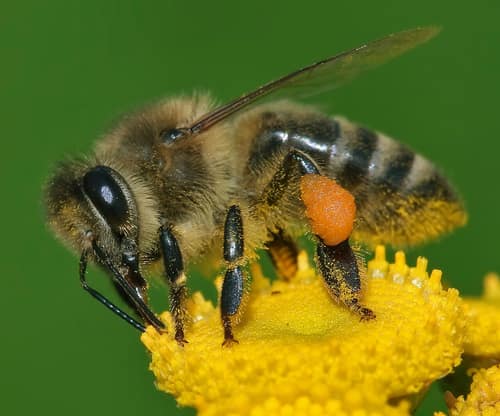
Pollinator Andreas Trepte / CC BY-SA 2.5 · cc-by-sa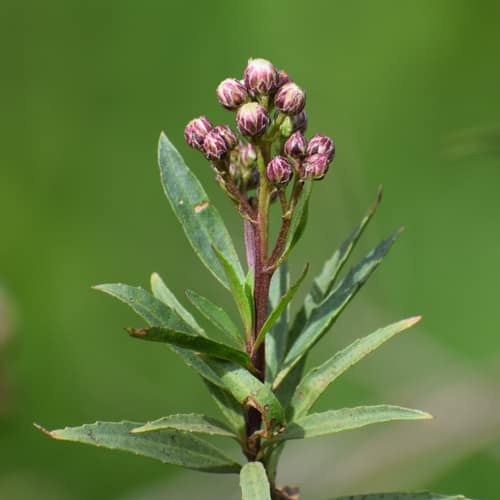
Close Relative no rights reserved, uploaded by Anne Parsons · cc0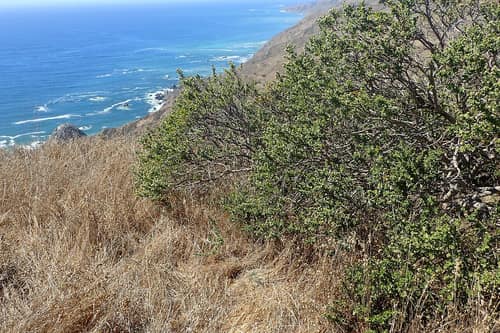
Close Relative Krzysztof Ziarnek, Kenraiz / CC BY-SA 4.0 · cc-by-sa
Help improve the field guideSomething wrong?
Checking your Fauna account…Report a name, category, or profile issue for review.