
Plant
Broad-winged Thistle
Carduus acanthoidesAlso known as Spiny Plumeless Thistle, Welted Thistle, Plumeless Thistle
Spiny plumeless thistle spends its first year hugging the ground as a dense, spiky basal rosette before bolting into a tall, branched stalk lined with continuous spiny wings. Vibrant reddish-purple flower heads bloom individually or in small clusters from summer through early autumn, releasing thousands of plumed seeds that ride the wind into disturbed pastures, abandoned fields, and roadsides. Armed against herbivores with fierce prickles on virtually every surface, it readily crowds out palatable grasses and forms dense, impenetrable thickets across introduced ranges.
BiennialInvasiveFlowering
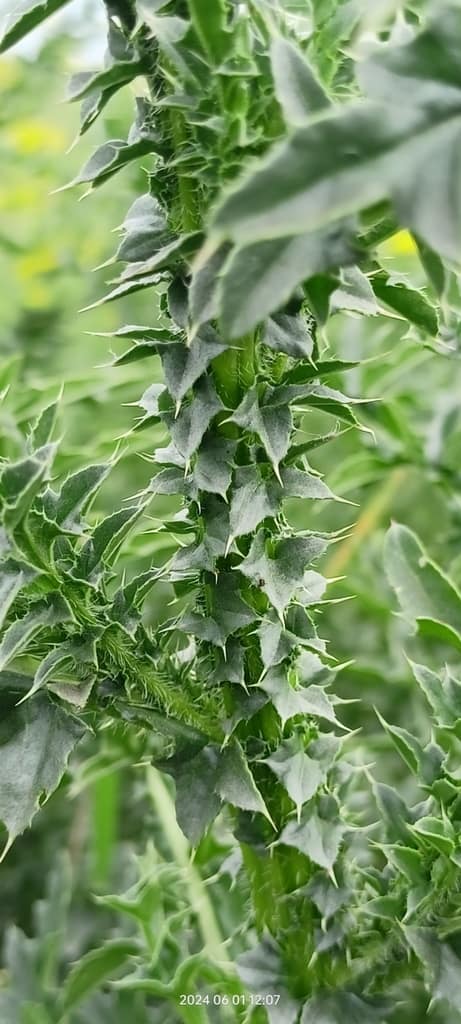
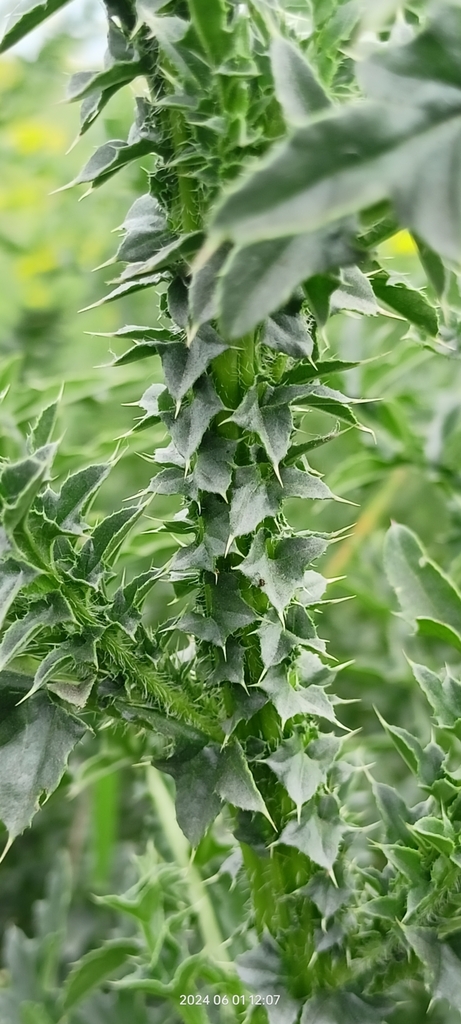
—observations
—countries
—peak records
Least ConcernConservation statusIUCN Red List categoriesLCNTVUENCREWEXLeast ConcernRed List categories, explained →
Diet & preyAutotrophic (Photosynthetic)
Predators
- Thistle head weevil
- Painted lady caterpillar
- American goldfinch
ThreatsTargeted mowing, systemic herbicides, biological control weevils
HabitatsPastures, abandoned fields, roadsides, ditch banks, disturbed rangeland
Life spanBiennial (2 years)
Classification
- OrderAsterales
- FamilyAsteraceae
- GenusCarduus
- SpeciesCarduus acanthoides
Range data is not available yet.
Interaction riskLow
- Low
- Moderate
- High
- Very high
- Why interaction risk is low
- Safe to observe at a normal distance.
Responsible observation
- Weed Management: Sever the taproot below the soil crown before flowering to stop seed dispersal.
- Field Identification: Look for continuous spiny wings running up the stems directly to the heads.
- Pollinator Watching: Observe honeybees, bumblebees, and butterflies visiting florets on sunny days.
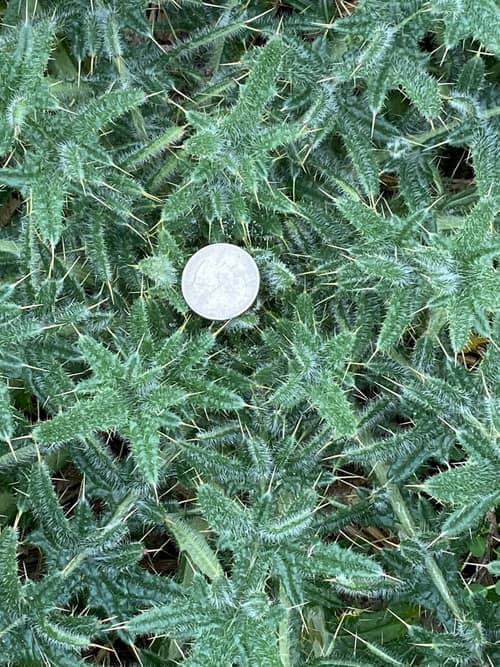
Competitor (c) Sandy Wolkenberg, some rights reserved (CC BY), uploaded by Sandy Wolkenberg · cc-by Image unavailable
Seed Predator 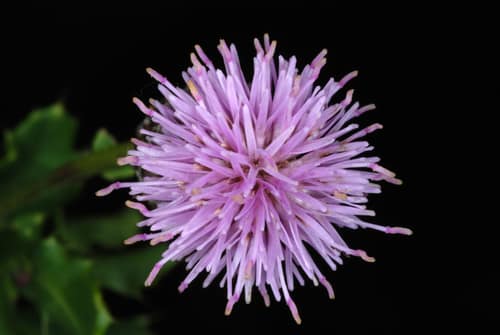
Competitor (c) Douglas Goldman, some rights reserved (CC BY-SA), uploaded by Douglas Goldman · cc-by-sa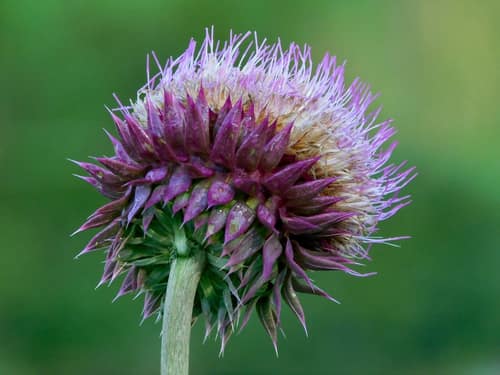
Close Relative (c) Michael J. Papay, some rights reserved (CC BY), uploaded by Michael J. Papay · cc-by
Help improve the field guideSomething wrong?
Checking your Fauna account…Report a name, category, or profile issue for review.