
Flower · GBIF taxon 3113414
Creeping Thistle
Cirsium arvenseAlso known as Canada Thistle, Field Thistle, California Thistle, Corn Thistle
Creeping thistle forms aggressive, deep-rooting colonies via extensive horizontal rhizomes, making it a persistent fixture in fields and disturbed ground. Its small, fragrant purple flower heads attract a wide variety of native pollinators, including bumblebees and butterflies, during peak summer blooms. Wind-borne seeds equipped with feathery down allow it to rapidly colonize open landscapes across temperate regions worldwide.
PerennialPricklyPollinator Magnet
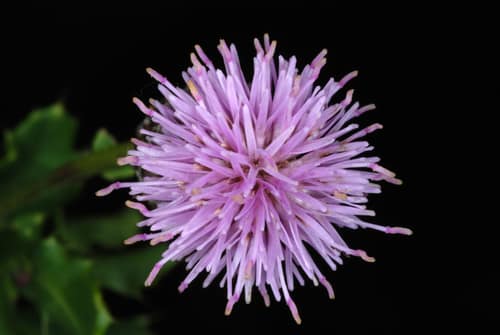
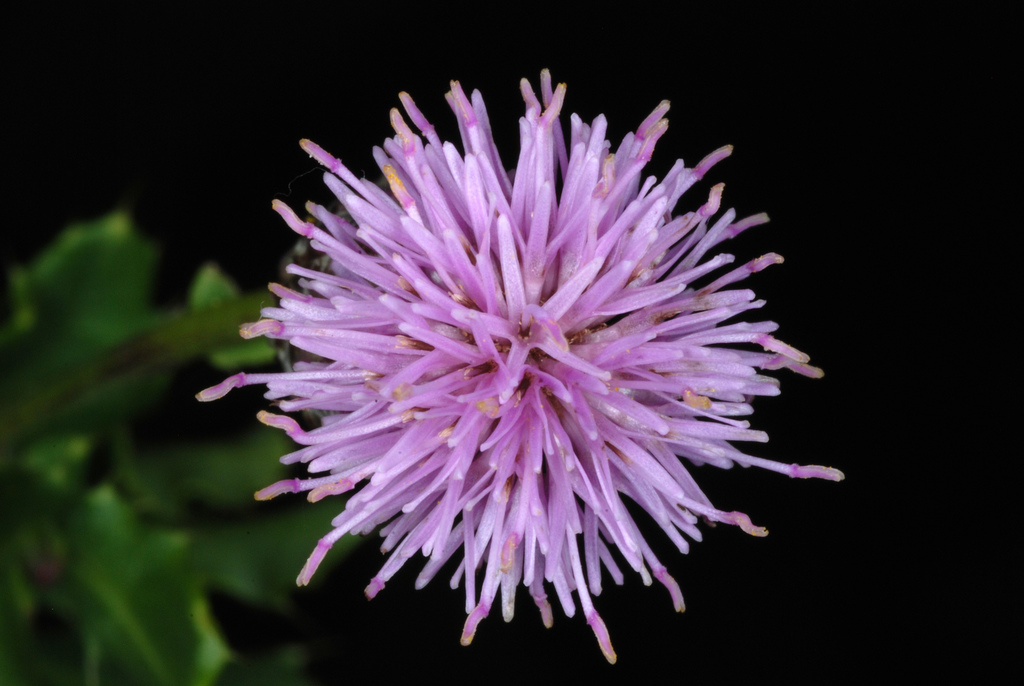 1 / 7
1 / 7—observations
—countries
—peak records
Least ConcernConservation statusIUCN Red List categoriesLCNTVUENCREWEXLeast ConcernRed List categories, explained →
Diet & prey
- Autotrophic (photosynthetic)
Predators
- Goldfinches
- Painted Lady Caterpillars
- Thistle Gall Flies
ThreatsHerbicides, intensive cultivation, biological control insects
HabitatsAgricultural fields, pastures, roadsides, disturbed ground, grasslands
Life spanPerennial (clonal patches can persist indefinitely)
Classification
- OrderAsterales
- FamilyAsteraceae
- GenusCirsium
- SpeciesCirsium arvense
Range data is not available yet.
Interaction riskLow
- Low
- Moderate
- High
- Very high
- Why interaction risk is low
- Sharp leaf spines can prick bare skin; wear heavy gloves if handling.
- Why it is dangerous
- Leaves are edged with sharp spines that can easily puncture or scratch exposed skin.
- How to recognize a risky encounter
- Look for deeply lobed green leaves tipped with sharp prickles and clusters of small purple flower heads.
- What to do
- Wear thick gloves when clearing plants and avoid direct contact with bare hands.
Responsible observation
- Avoid Bare Skin: Wear thick gardening gloves and long sleeves when managing patches to prevent prickles.
- Observe Pollinators: Visit patches on sunny afternoons to spot bumblebees, hoverflies, and butterflies feeding.
- Check Seed Heads: Inspect fading blooms in late summer to see goldfinches harvesting seeds.
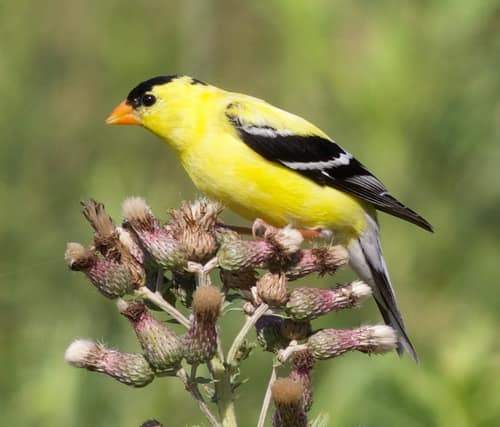
Seed Feeder no rights reserved, uploaded by Glenn Berry · cc0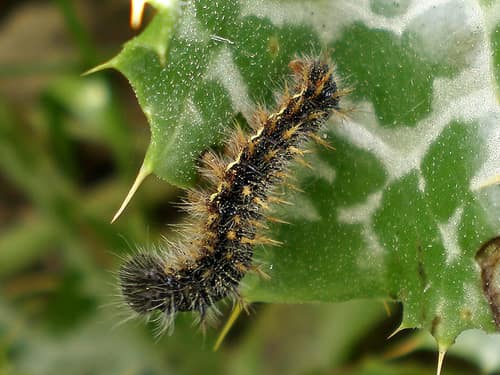
Larval Herbivore no rights reserved, uploaded by Joan C. Hinojosa · cc0 Image unavailable
Biocontrol Parasite 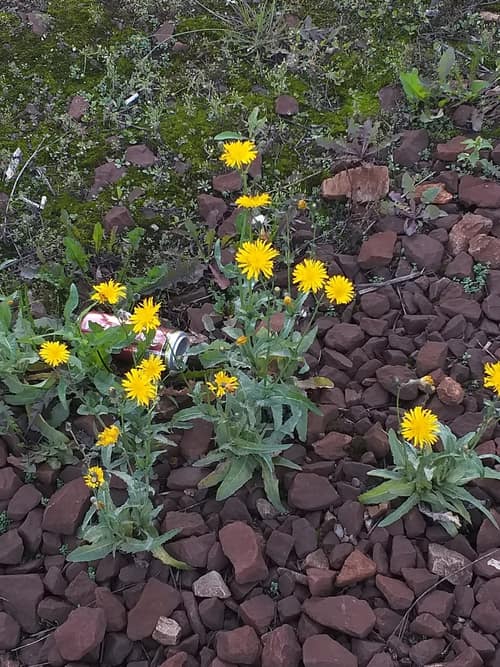
Co-occurring Weed (c) Dmitriy Bochkov, some rights reserved (CC BY), uploaded by Dmitriy Bochkov · cc-by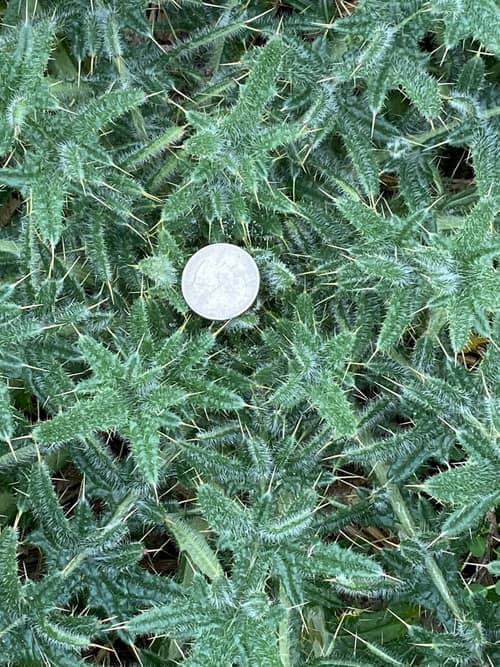
Close Relative (c) Sandy Wolkenberg, some rights reserved (CC BY), uploaded by Sandy Wolkenberg · cc-by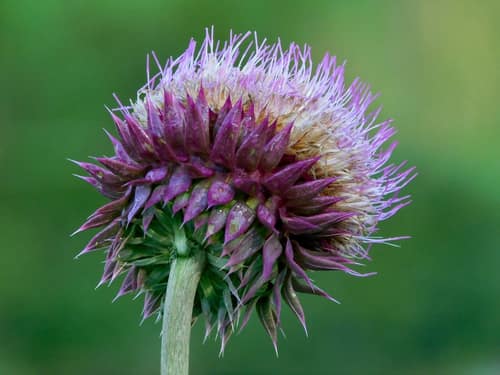
Close Relative (c) Michael J. Papay, some rights reserved (CC BY), uploaded by Michael J. Papay · cc-by
Help improve the field guideSomething wrong?
Checking your Fauna account…Report a name, category, or profile issue for review.