
Flower
Musk Thistle
Carduus nutansAlso known as Nodding Thistle, Nodding Plumeless Thistle
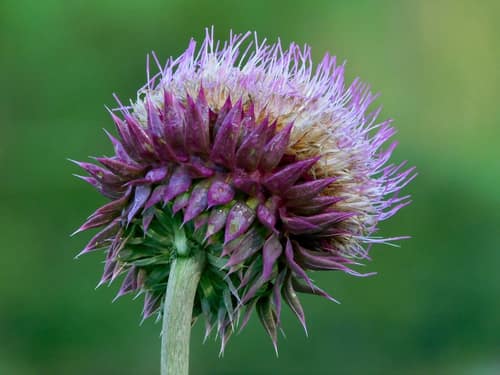
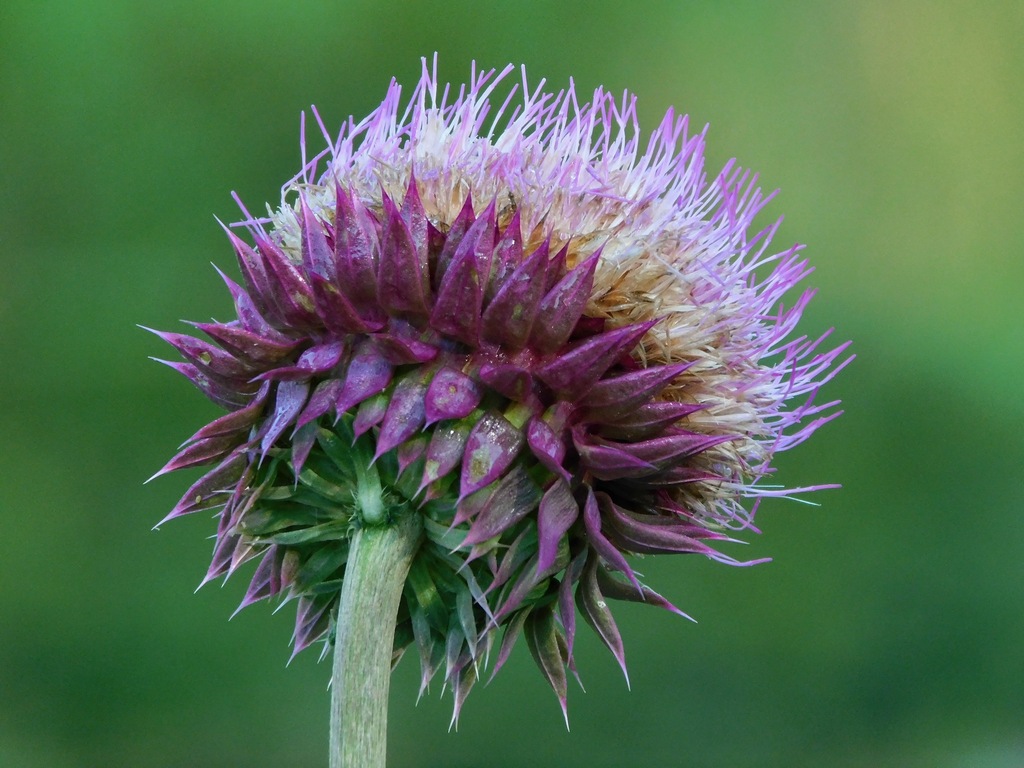
Musk thistles form dense leafy rosettes during their first year before sending up tall, spiny stems during their second spring. The large, solitary flower heads nod gracefully at the branch tips, displaying vibrant purple-pink florets framed by sharp, reflexed bracts. Producing tens of thousands of wind-borne seeds per plant, this biennial rapidly colonizes disturbed pastures, roadsides, and meadows.
InvasiveSpinyFlowering
—observations
—countries
—peak records
Least ConcernConservation statusIUCN Red List categoriesLCNTVUENCREWEXLeast ConcernRed List categories, explained →
Diet & preyAutotrophic (Photosynthesis)
Predators
- Musk Thistle Weevil
- American Goldfinch
ThreatsBiological control agents, land cultivation, herbicide management
HabitatsPastures, roadsides, disturbed fields, grasslands
Life span2 years (Biennial)
Classification
- OrderAsterales
- FamilyAsteraceae
- GenusCarduus
- SpeciesCarduus nutans
Range data is not available yet.
Interaction riskLow
- Low
- Moderate
- High
- Very high
- Why interaction risk is low
- Safe to observe at a normal distance, though sharp spines can puncture skin.
Responsible observation
- Identify by head shape: Look for the characteristic drooping flower head, which nods sideways as it matures.
- Avoid physical contact: Wear thick leather gloves if removing plants, as the sharp stem spines easily pierce cloth.
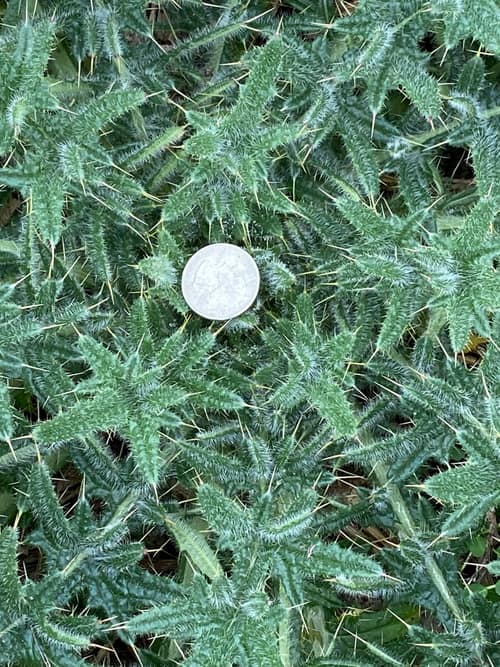
Look-alike (c) Sandy Wolkenberg, some rights reserved (CC BY), uploaded by Sandy Wolkenberg · cc-by Image unavailable
Biological Control 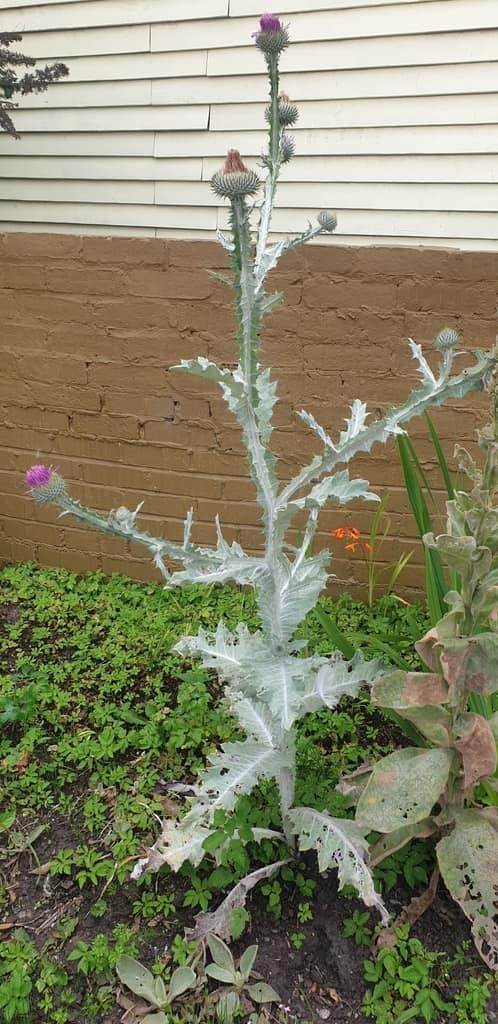
Look-alike (c) Charlotte Jones, some rights reserved (CC BY), uploaded by Charlotte Jones · cc-by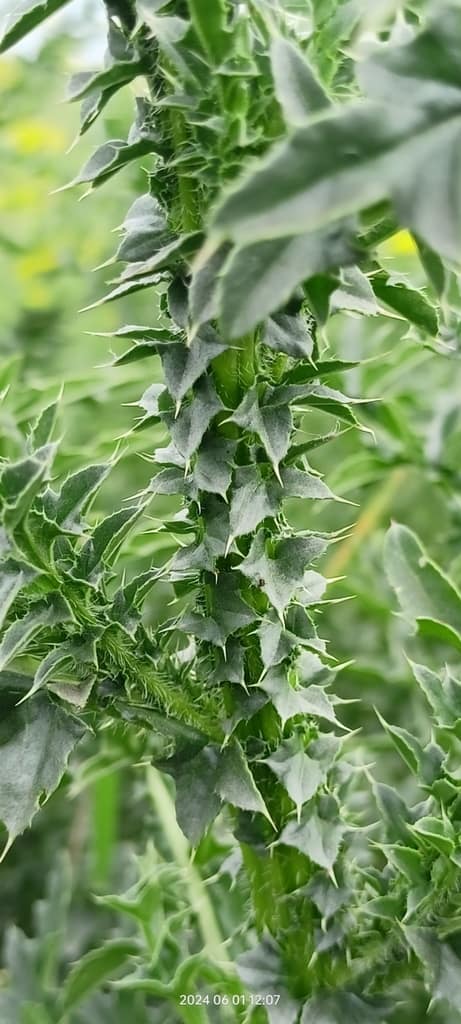
Close Relative no rights reserved · cc0
Help improve the field guideSomething wrong?
Checking your Fauna account…Report a name, category, or profile issue for review.