
Plant · GBIF taxon 3114238
Brown-eyed Susan
Rudbeckia trilobaAlso known as Browneyed Susan, Thin-leaved Coneflower, Three-leaved Coneflower
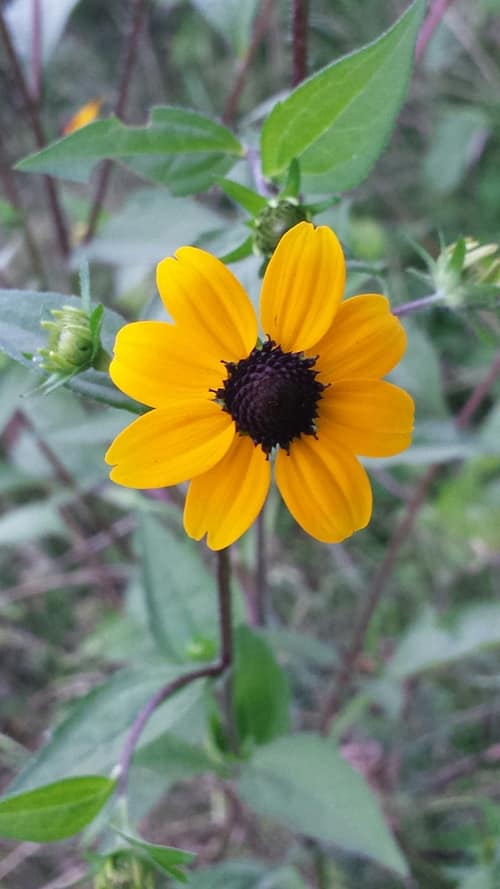
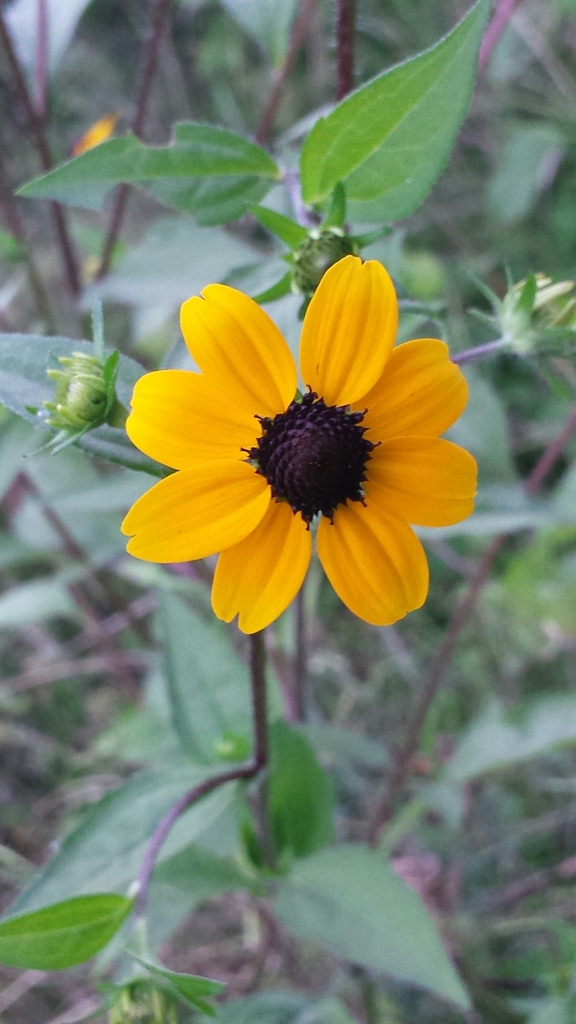
Brown-eyed Susan produces hundreds of small, golden-yellow blooms with dark chocolate central cones from mid-summer until frost. True to its scientific name, the lower leaves are distinctly divided into three lobes, setting it apart from its close relatives. Though individual plants are short-lived biennials or perennials, they self-seed reliably to create persistent floral displays in meadows and gardens.
WildflowerYellowPollinator Friendly
—observations
—countries
—peak records
Not EvaluatedConservation statusIUCN Red List categoriesLCNTVUENCREWEXNot Evaluated — not placed on the risk ladderRed List categories, explained →
Diet & prey
- Sunlight
- Water
- Soil Nutrients
Predators
- White-tailed Deer
- Eastern Cottontail
- American Goldfinch
ThreatsHabitat conversion and competition from invasive weeds
HabitatsPrairies, open woodlands, meadows, roadsides, and disturbed areas
Life spanShort-lived perennial or biennial (2–3 years)
Classification
- OrderAsterales
- FamilyAsteraceae
- GenusRudbeckia
- SpeciesRudbeckia triloba
Range data is not available yet.
Interaction riskLow
- Low
- Moderate
- High
- Very high
- Why interaction risk is low
- Safe to observe at a normal distance.
Responsible observation
- Gardening: Plant in full sun to light shade in well-drained soil for maximum flower production.
- Identification: Look for three-lobed lower leaves to easily distinguish it from black-eyed Susan.
- Wildlife Support: Leave dried flower stalks standing in autumn to provide winter seeds for birds.
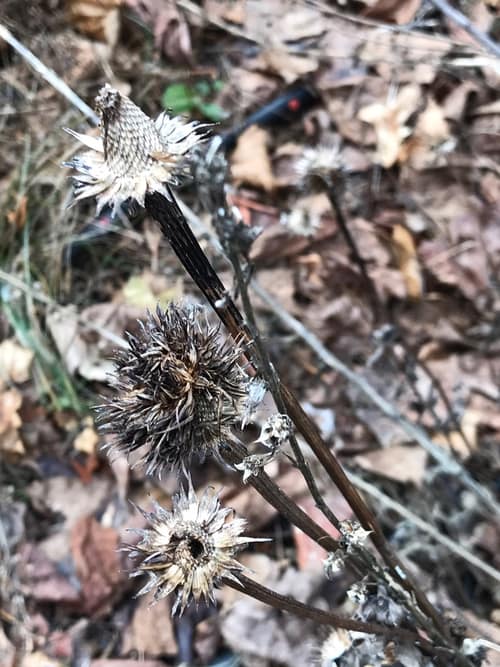
Frequent Companion (c) Sandy Wolkenberg, some rights reserved (CC BY), uploaded by Sandy Wolkenberg · cc-by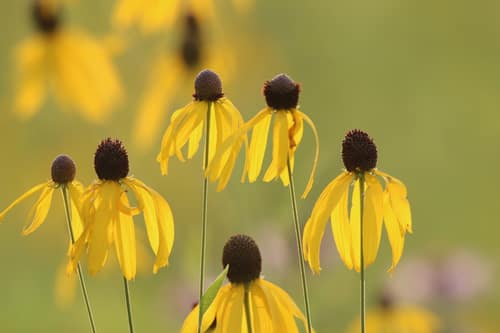
Frequent Companion no rights reserved, uploaded by Andy Wilson · cc0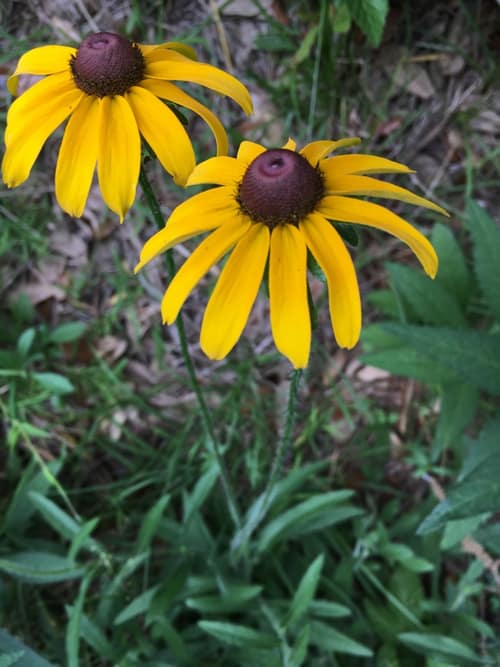
Close Relative no rights reserved, uploaded by Brady Reed · cc0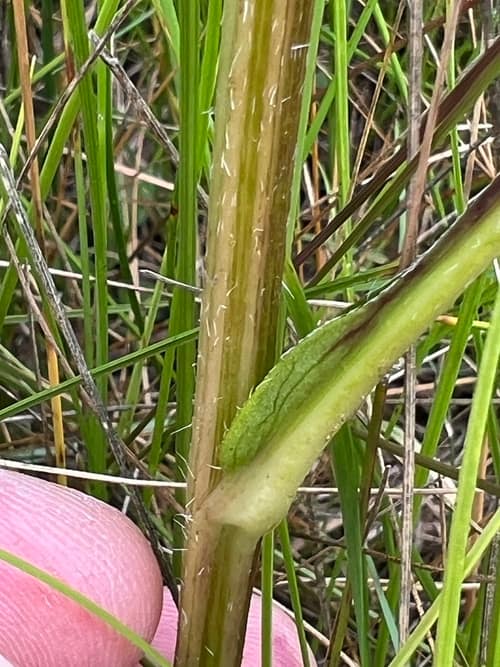
Close Relative (c) Mark Pollock, some rights reserved (CC BY), uploaded by Mark Pollock · cc-by
Help improve the field guideSomething wrong?
Checking your Fauna account…Report a name, category, or profile issue for review.