Also known as Green-headed Coneflower, Tall Coneflower, Goldenglow, Sochan
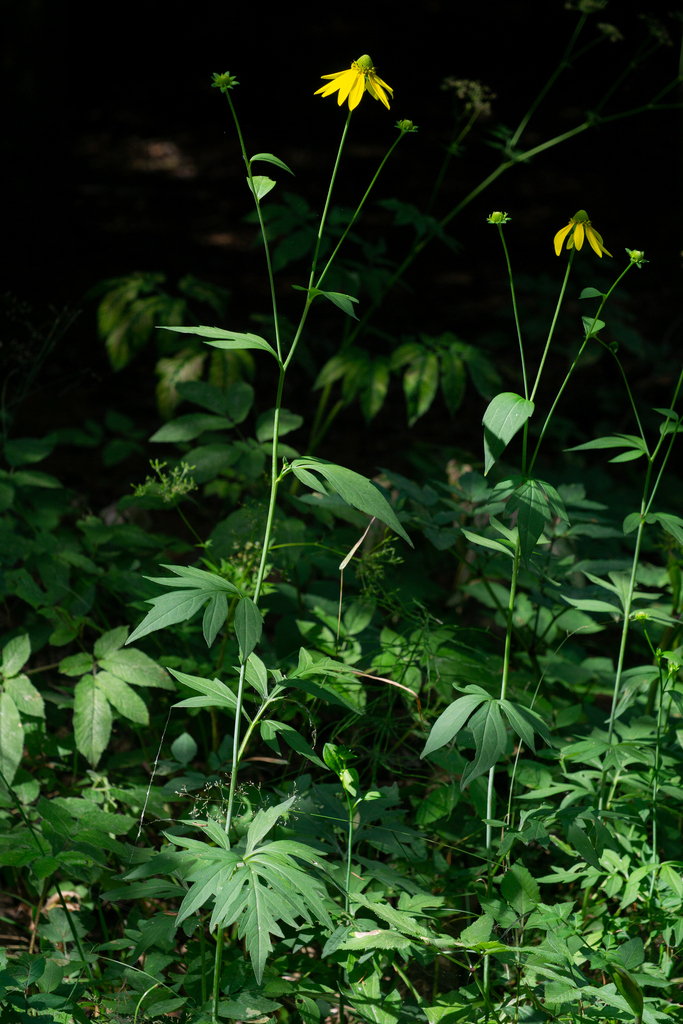
Cutleaf coneflower towers above stream banks and moist forest borders, producing cheerful daisy-like flowerheads with drooping yellow rays and domed green centers. Its deeply lobed, palmately divided lower leaves give the plant its distinctive common name and help distinguish it from other tall composite wildflowers. The extensive underground rhizomes spread steadily to form robust colonies that anchor floodplain soils and provide reliable summer nectar for native pollinators.
Not EvaluatedConservation statusIUCN Red List categoriesLCNTVUENCREWEXNot Evaluated — not placed on the risk ladderRed List categories, explained →
Key facts
Diet & prey
Sunlight
Water
Soil Nutrients
Predators
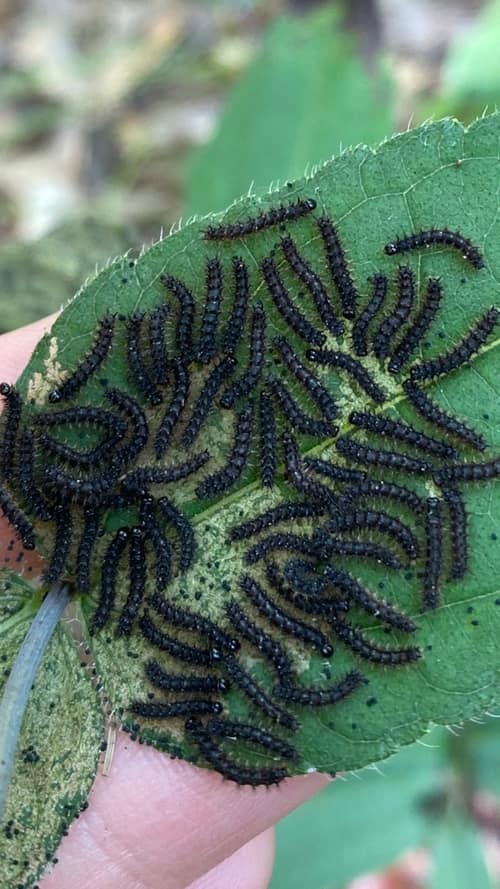
Silvery Checkerspot Caterpillar
Red Aphid
White-tailed Deer
ThreatsWetland drainage, floodplain development, and invasive plant competition
HabitatsFloodplains, stream banks, moist woodlands, and wet meadows
Life spanPerennial (rhizomatous, living for decades)
Classification
OrderAsterales
FamilyAsteraceae
GenusRudbeckia
SpeciesRudbeckia laciniata
Range & activity
Range data is not available yet.
Safe observation
Interaction riskHigh
Low
Moderate
High
Very high
Why interaction risk is high
Toxic to livestock and domestic pets if eaten; observe without harvesting or ingestion.
Why it is dangerous
Contains unidentified toxic principles that cause respiratory distress, digestive upset, and neurological symptoms in livestock, particularly cattle, sheep, and swine.
How to recognize a risky encounter
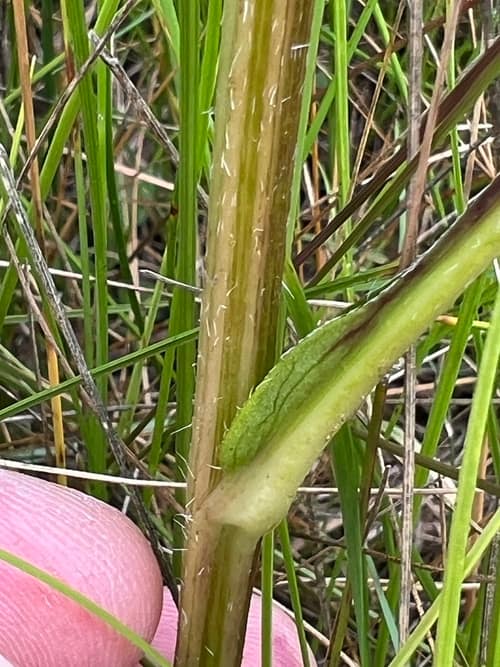
Look for very tall branching stems with deeply 3- to 7-lobed lower leaves and yellow petals surrounding a greenish-yellow conical central disc.
What to do
Keep grazing livestock and pets away from large stands, and refrain from sampling wild plants.
Responsible observation
Spring Identification: Look for deeply lobed, ragged basal foliage emerging early in rich, damp woods.
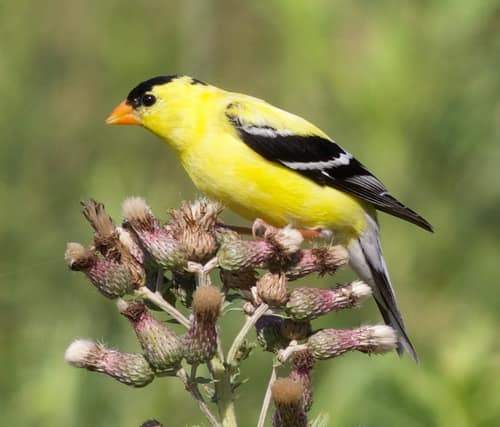
Pollinator Watching: Visit midsummer stands on warm afternoons to spot diverse native bees and skippers feeding on the central discs.
Garden Placement: Provide moist soil and plenty of room, as colonies expand vigorously via underground rhizomes.


 1 / 7
1 / 7