
Plant
Bull Thistle
Cirsium vulgareAlso known as Spear Thistle, Common Thistle, Fuller's Thistle, Scots Thistle
Bull thistle forms a robust biennial rosette in its first year, sending up a tall, spiny, winged stem capped with dense magenta flower heads in its second summer. Each dark green leaf features deeply lobed margins ending in sharp, stiff yellow spines that deter most grazing herbivores. Downy white seed heads release thousands of windborne achenes each autumn, allowing this adaptable species to rapidly colonize disturbed soils.
PricklyFloweringInvasive
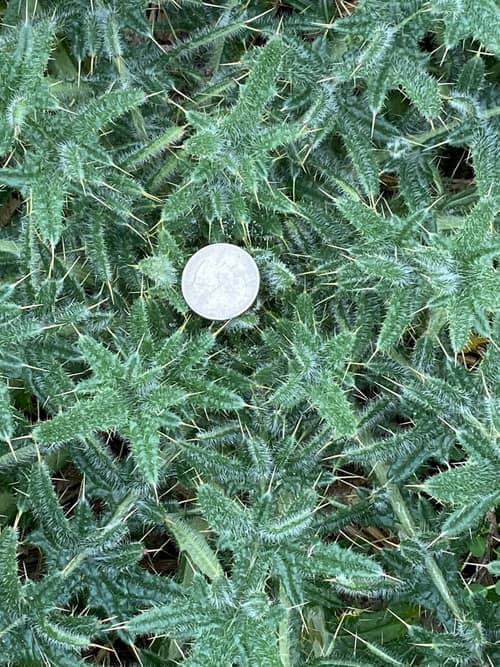
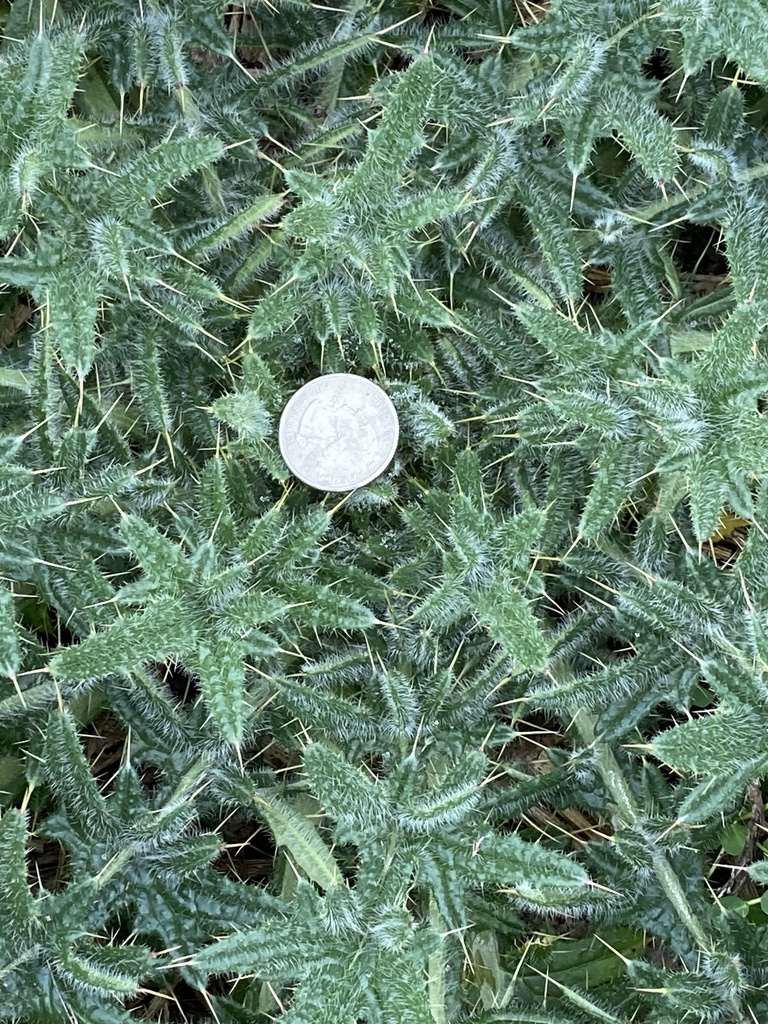
—observations
—countries
—peak records
Least ConcernConservation statusIUCN Red List categoriesLCNTVUENCREWEXLeast ConcernRed List categories, explained →
Diet & preyAutotrophic (Photosynthesis)
Predators
- Goldfinches
- Painted Lady Caterpillars
- Mammalian Browsers
ThreatsBiological control agents, land management, mechanical removal
HabitatsPastures, roadsides, disturbed ground, grasslands, cleared woodlands
Life span2 years (Biennial)
Classification
- OrderAsterales
- FamilyAsteraceae
- GenusCirsium
- SpeciesCirsium vulgare
Range data is not available yet.
Interaction riskLow
- Low
- Moderate
- High
- Very high
- Why interaction risk is low
- Rigid spines on leaves and stems can puncture skin; wear heavy gloves when handling.
- Why it is dangerous
- Sharp, stiff spines lining the stems, leaves, and floral bracts easily puncture skin and thin clothing, causing mechanical irritation.
- How to recognize a risky encounter
- Identified by winged spiny stems and lance-shaped leaf lobes terminating in hard yellow prickles.
- What to do
- Wear thick leather gloves and long sleeves when clearing plants, and avoid walking bare-legged through dense stands.
Responsible observation
- Identification: Look for deeply lobed, spine-tipped leaves with prickly wings running up the stem.
- Management: Dig young rosettes below the root crown before flower heads set seed.
- Wildlife Observation: Watch purple flower heads in midsummer to spot visiting bumblebees and butterflies.
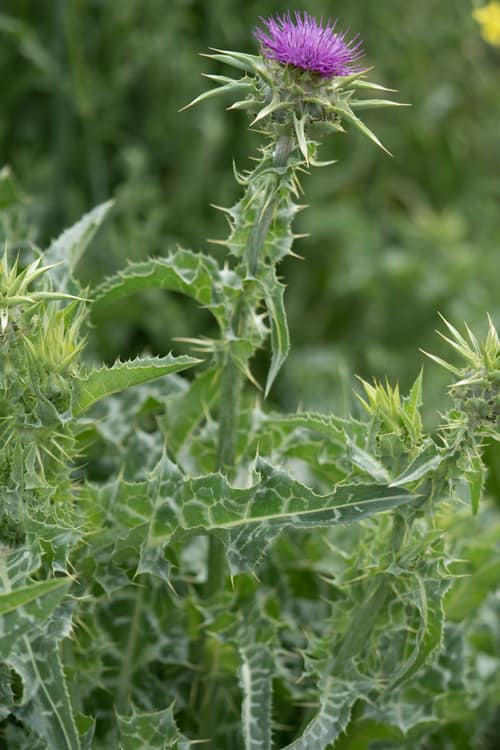
Look-Alike no rights reserved, uploaded by Jesse Rorabaugh · cc0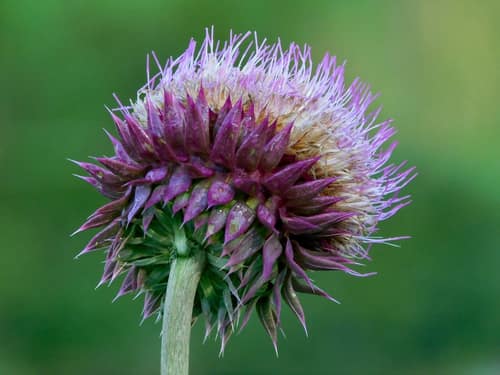
Look-Alike (c) Michael J. Papay, some rights reserved (CC BY), uploaded by Michael J. Papay · cc-by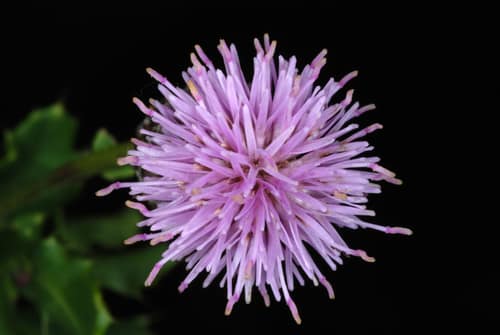
Close Relative (c) Douglas Goldman, some rights reserved (CC BY-SA), uploaded by Douglas Goldman · cc-by-sa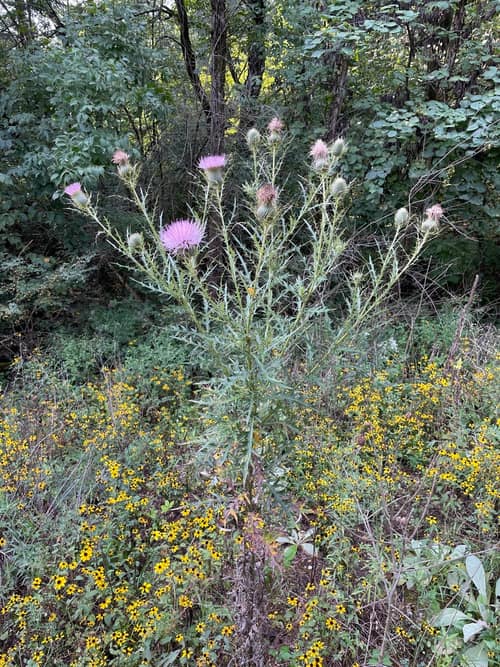
Native Relative no rights reserved, uploaded by Kurt Odendahl · cc0
Help improve the field guideSomething wrong?
Checking your Fauna account…Report a name, category, or profile issue for review.