
Flower · GBIF taxon 3085412
Garden Pink
Dianthus plumariusAlso known as Common Pink, Wild Pink, Feathered Pink, Cottage Pink
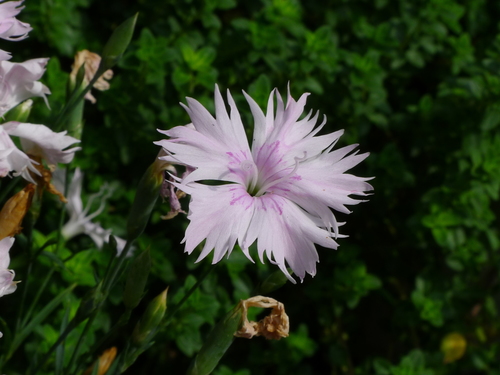
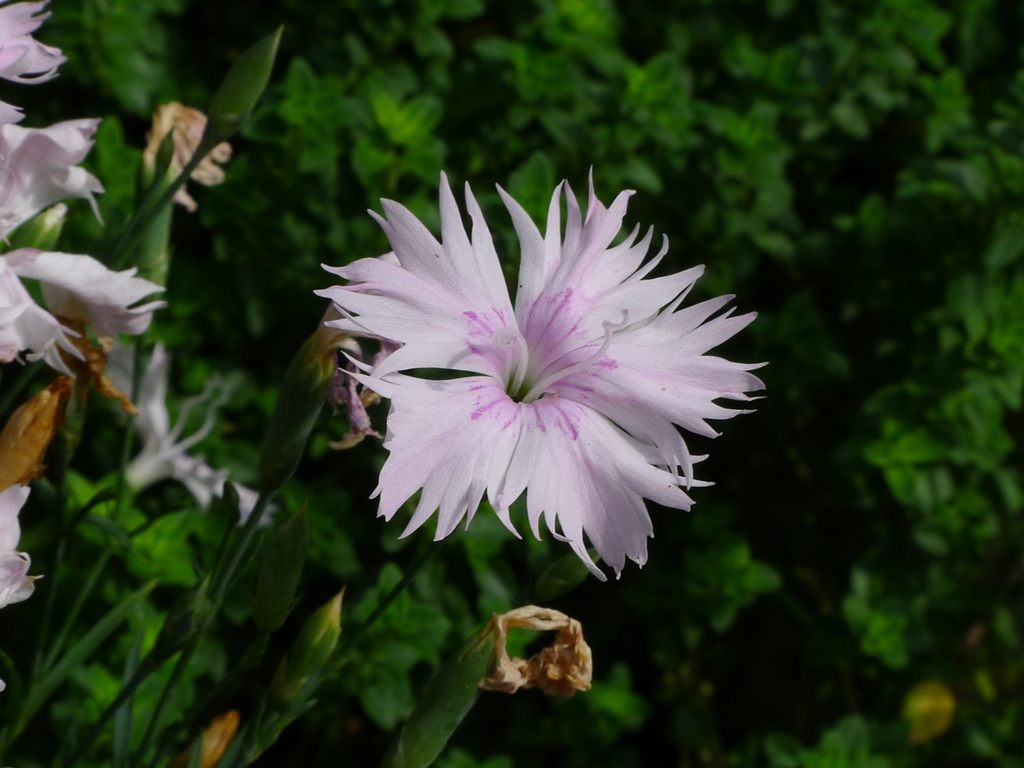
Garden pinks form dense, cushion-like mats of slender blue-grey foliage that remain attractive even when out of bloom. In late spring and early summer, wiry stems rise above the evergreen foliage bearing delightfully clove-scented flowers with deeply fringed petals. Native to the rocky limestone slopes of central and southeastern Europe, they have also served as a cornerstone of cottage gardens for centuries.
FloweringPerennialAromatic
—observations
—countries
—peak records
Not EvaluatedConservation statusIUCN Red List categoriesLCNTVUENCREWEXNot Evaluated — not placed on the risk ladderRed List categories, explained →
Diet & prey
- Autotrophic (photosynthetic)
Predators
- European Rabbit
- Roe Deer
- Slugs
ThreatsHabitat loss from land conversion, overgrazing, and competition from invasive grasses
HabitatsCalcareous grasslands, rocky slopes, screes, and gravelly dry meadows
Life spanPerennial (typically 3–8 years)
Size / weightNot available
Classification
- OrderCaryophyllales
- FamilyCaryophyllaceae
- GenusDianthus
- SpeciesDianthus plumarius
Range data is not available yet.
Interaction riskHigh
- Low
- Moderate
- High
- Very high
- Why interaction risk is high
- Mildly toxic to dogs and cats if ingested; keep curious pets from chewing the stems.
- Why it is dangerous
- Contains triterpenoid saponins that cause mild gastrointestinal upset and occasional contact dermatitis in dogs and cats.
- How to recognize a risky encounter
- Recognizable by its narrow glaucous blue-grey leaves and pastel petals with deeply cut, fringed margins.
- What to do
- Safe for humans to touch and smell; supervise pets around garden beds to prevent browsing.
Responsible observation
- Growing Conditions: Plant in full sun and sharply drained, slightly alkaline or gritty soil to prevent crown rot.
- Deadheading: Snip spent blossom stalks down to the foliage cushion to encourage sporadic late-season reblooming.
- Pet Safety: Position elevated in rockeries or stone troughs out of reach of indoor or backyard pets.
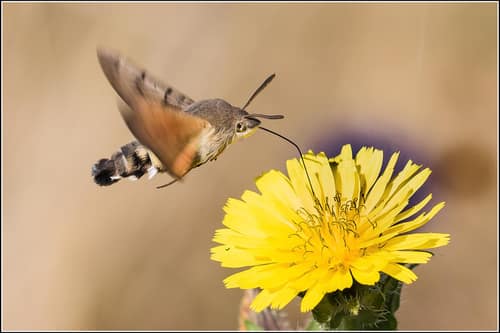
Pollinator (c) Smudge 9000, some rights reserved (CC BY-SA) · cc-by-sa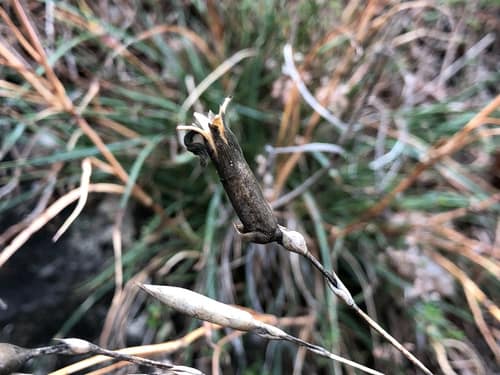
Close Relative (c) Jason Grant, some rights reserved (CC BY), uploaded by Jason Grant · cc-by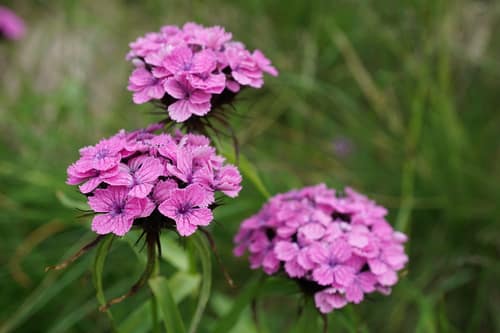
Close Relative (c) xulescu_g, some rights reserved (CC BY-SA) · cc-by-sa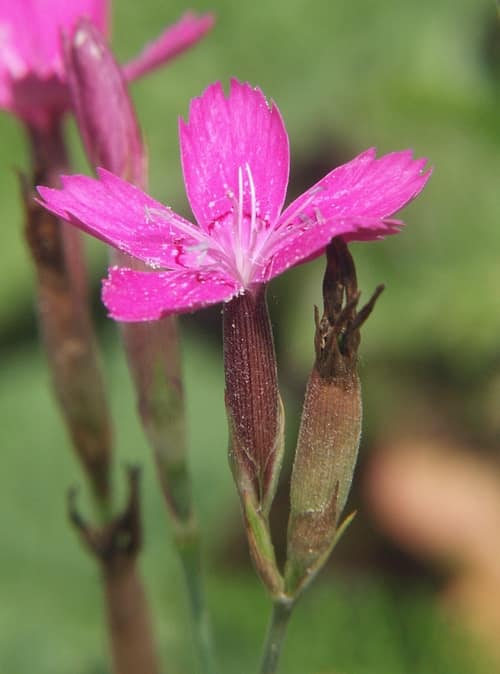
Close Relative (c) Bernd Haynold, some rights reserved (CC BY-SA) · cc-by-sa Image unavailable
Close Relative
Help improve the field guideSomething wrong?
Checking your Fauna account…Report a name, category, or profile issue for review.