
Flower
Sweet-William
Dianthus barbatusAlso known as Sweet William, Bearded Pink, Bloomy-Down
Sweet-William brightens montane meadows and cottage gardens with compact, rounded heads of up to thirty fragrant, fringed blossoms. Wild populations usually bear crimson petals with pale centers, filling the air with a spicy, clove-like fragrance that guides long-tongued pollinators. Emerging as a modest rosette of lance-shaped leaves in its first year, it flowers profusely in its second summer before readily self-sowing across open ground.
FloweringAromaticHerbaceous
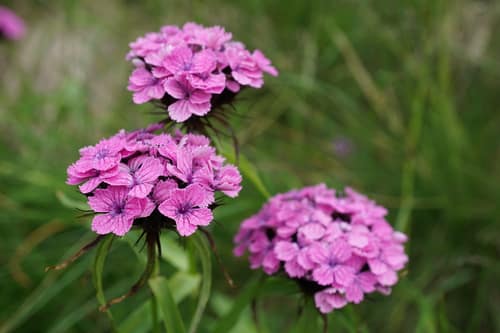
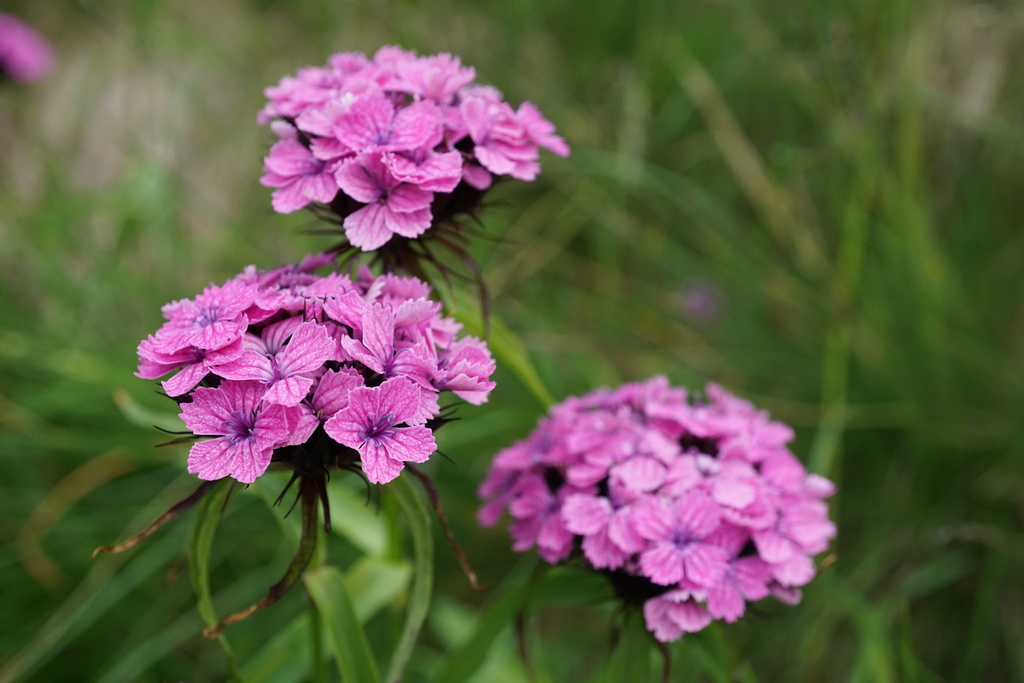
—observations
—countries
—peak records
Least ConcernConservation statusIUCN Red List categoriesLCNTVUENCREWEXLeast ConcernRed List categories, explained →
Diet & preyPhotoautotrophic
Predators
- Roe Deer
- European Rabbit
- Slugs
ThreatsOvergrazing, meadow succession, and horticultural overcollection
HabitatsMontane meadows, open woodlands, rocky slopes, and gardens
Life span2–3 years
Classification
- OrderCaryophyllales
- FamilyCaryophyllaceae
- GenusDianthus
- SpeciesDianthus barbatus
Range data is not available yet.
Interaction riskHigh
- Low
- Moderate
- High
- Very high
- Why interaction risk is high
- Non-toxic to humans, but contains saponins mildly toxic to dogs and cats if ingested.
- Why it is dangerous
- Contains triterpenoid saponins that cause mild vomiting, diarrhea, and contact dermatitis in dogs and cats.
- How to recognize a risky encounter
- Look for dense, rounded terminal flower heads with serrated petal margins and slender lanceolate green leaves.
- What to do
- Grow out of reach of domestic pets, and seek veterinary advice if pets ingest substantial foliage.
Responsible observation
- Observation Timing: Best observed in peak bloom from late spring through midsummer.
- Pet Safety: Keep domestic pets from chewing the stems, leaves, or flower heads.
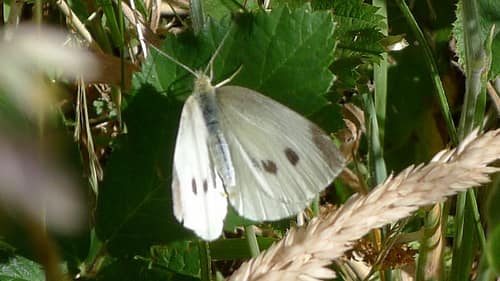
Pollinator John Tann from Sydney, Australia / CC BY 2.0 · cc-by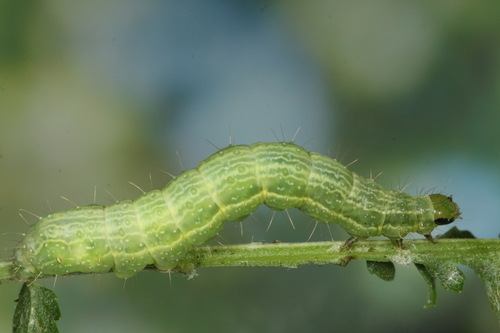
Pollinator (c) ingridaltmann, some rights reserved (CC BY) · cc-by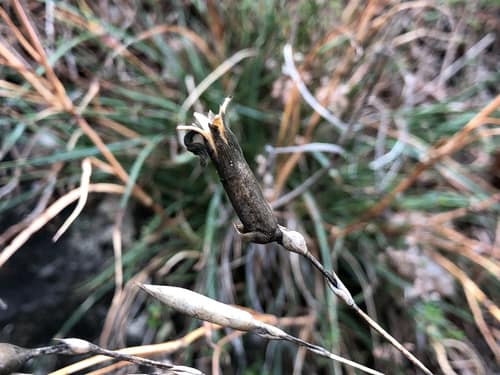
Close Relative (c) Jason Grant, some rights reserved (CC BY), uploaded by Jason Grant · cc-by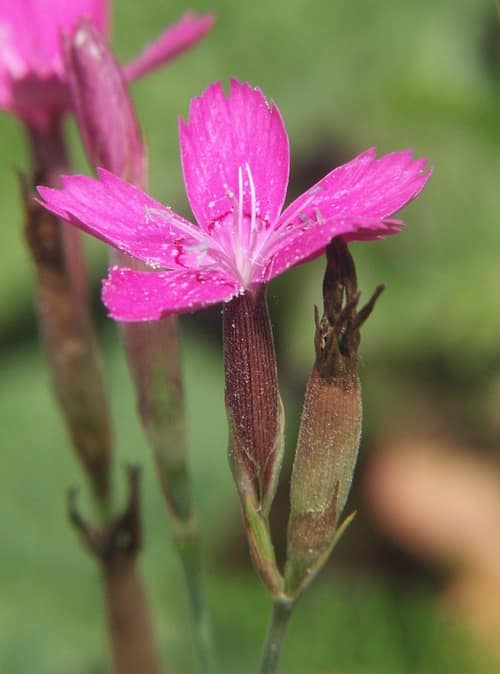
Close Relative (c) Bernd Haynold, some rights reserved (CC BY-SA) · cc-by-sa
Help improve the field guideSomething wrong?
Checking your Fauna account…Report a name, category, or profile issue for review.