
Plant · GBIF taxon 3054352
Butternut
Juglans cinereaAlso known as White Walnut, Oilnut
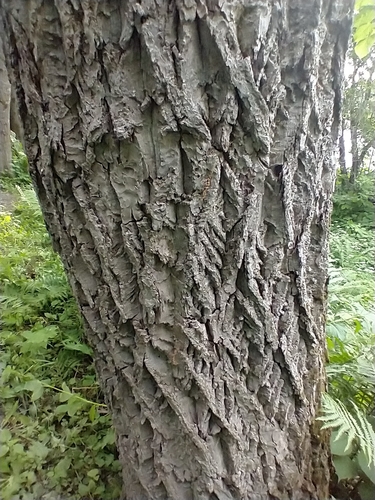
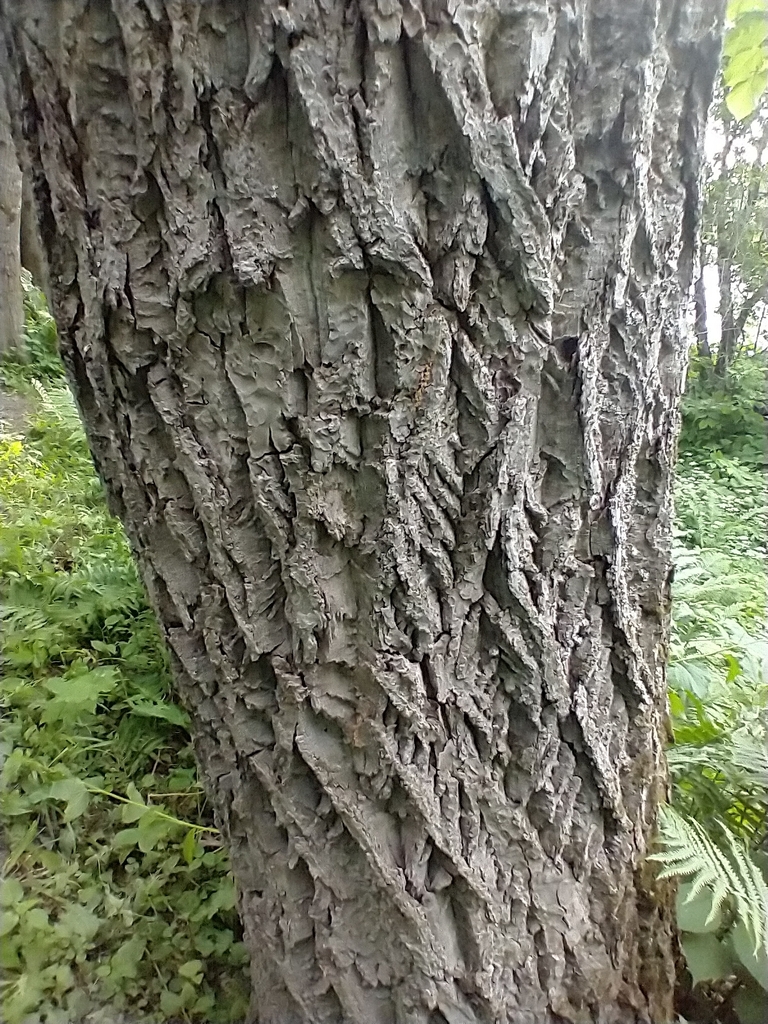
Butternut trees thrive in rich, moist soils along streams and sunny forest edges throughout eastern North America. Recognized by their broad canopy, sticky yellow-green nut husks, and deeply ridged grey bark, these hardwoods provide vital food and shelter for woodland wildlife. Decades of impact from an introduced fungal pathogen have drastically reduced mature trees, making surviving healthy specimens ecologically critical.
Hardwood TreeNut-Bearing
—observations
—countries
—peak records
EndangeredConservation statusIUCN Red List categoriesLCNTVUENCREWEXEndangeredRed List categories, explained →
Diet & prey
- Autotrophic (photosynthetic)
Predators
- Butternut Canker Fungus
- White-Tailed Deer
- Eastern Grey Squirrel
ThreatsButternut canker disease, habitat destruction, hybridization
HabitatsMoist rich forests, river valleys, stream banks
Life span75–100 years
Size / weightNot available
Classification
- FamilyJuglandaceae
- SpeciesJuglans cinerea
Range data is not available yet.
Interaction riskLow
- Low
- Moderate
- High
- Very high
- Why interaction risk is low
- Wild nuts have toxic look-alikes; never ingest wild plant parts based on app identification alone.
- What to notice
- Identify by its elongated oblong nuts, sticky husks, hairy leaf stalks, and pale grey fissured bark.
- Support conservation
- Observe without damaging bark or breaking branches, and clean footwear to avoid spreading fungal spores.
Responsible observation
- Leaf Identification: Look for alternate compound leaves featuring 11 to 17 leaflets with fine teeth and hairy undersides.
- Bark Check: Examine mature trunks for smooth-topped, grey flat ridges separated by dark, diamond-patterned fissures.
- Disease Reporting: Note any sunken bark cankers or dark oozing spots and report healthy trees to local forestry programs.
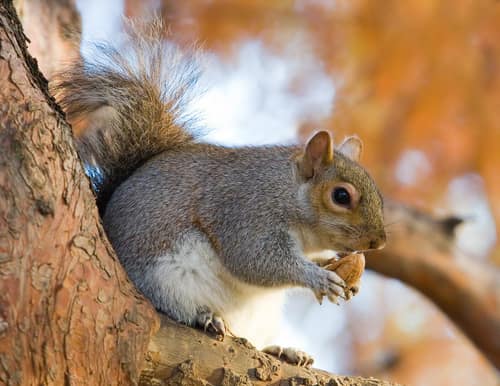
Seed Disperser (c) Diliff, some rights reserved (CC BY-SA) · cc-by-sa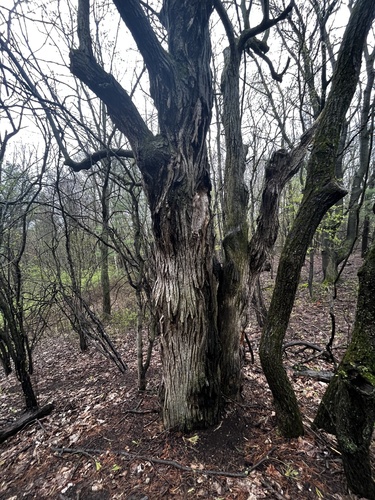
Pathogen no rights reserved · cc0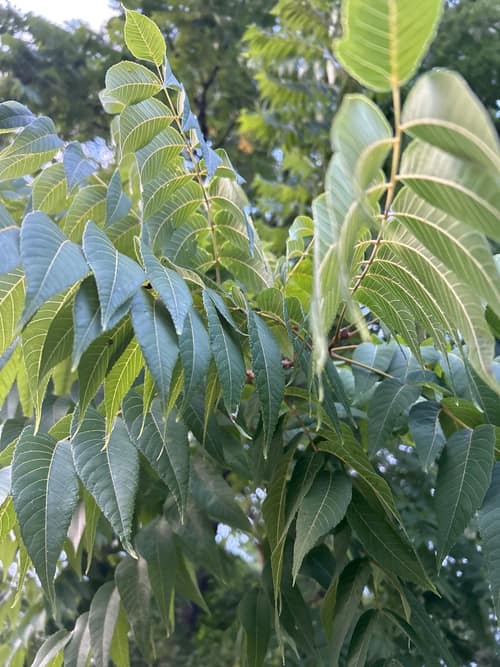
Close Relative (c) SalamiRaptor, some rights reserved (CC BY-SA), uploaded by SalamiRaptor · cc-by-sa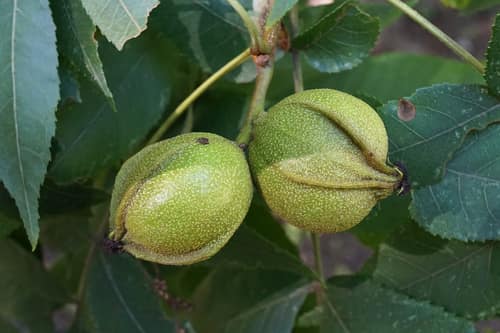
Family Member (c) Plant Image Library, some rights reserved (CC BY-SA) · cc-by-sa
Help improve the field guideSomething wrong?
Checking your Fauna account…Report a name, category, or profile issue for review.