
Plant
Bitternut Hickory
Carya cordiformisAlso known as Yellowbud Hickory, Bitternut, Swamp Hickory
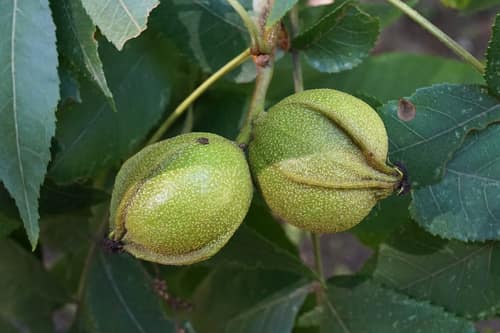
Bitternut hickory stands out in winter forests by its bright sulfur-yellow, naked buds that cap slender twigs. Unlike its rough-barked kin, it displays tight, shallowly furrowed gray bark that forms a delicate diamond pattern even into maturity. Squirrels and small rodents readily harvest the thin-shelled, bitter nuts, while dozens of native moth caterpillars rely on its compound foliage throughout the summer.
DeciduousHardwoodNative Tree
—observations
—countries
—peak records
Least ConcernConservation statusIUCN Red List categoriesLCNTVUENCREWEXLeast ConcernRed List categories, explained →
Diet & preyAutotrophic (photosynthetic)
Predators
- Hickory bark beetle
- Walnut caterpillar
- Eastern gray squirrel
ThreatsHickory bark beetle outbreaks, habitat clearance, and fungal cankers
HabitatsMoist bottomlands, floodplain forests, riverbanks, and rich upland woods
Life span150–200 years
Classification
- OrderFagales
- FamilyJuglandaceae
- GenusCarya
- SpeciesCarya cordiformis
Range data is not available yet.
Interaction riskLow
- Low
- Moderate
- High
- Very high
- Why interaction risk is low
- Safe to observe at a normal distance.
Responsible observation
- Winter Identification: Look for the distinct sulfur-yellow, valvate buds that lack protective bud scales.
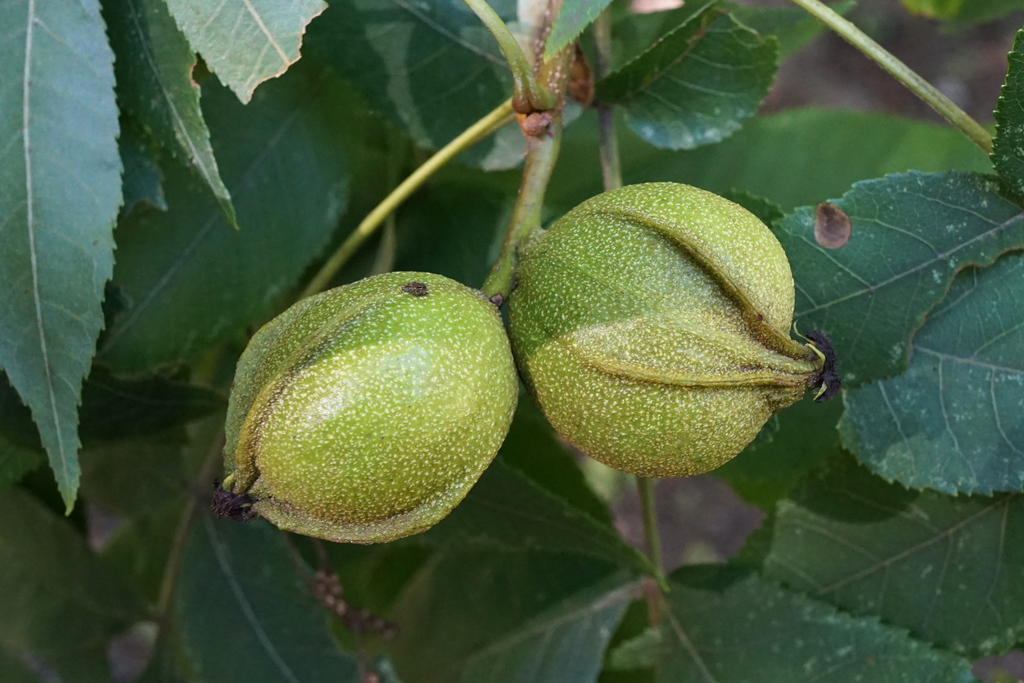
- Fruit Recognition: Examine the small, four-winged husk splitting halfway to release a bitter, smooth nut.
- Habitat Clues: Search along moist floodplains and stream terraces where it reaches its greatest abundance.
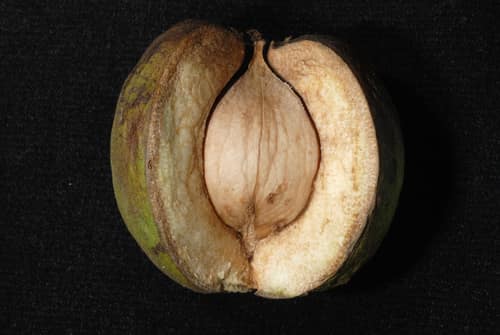
Same Genus (c) Douglas Goldman, some rights reserved (CC BY-SA), uploaded by Douglas Goldman · cc-by-sa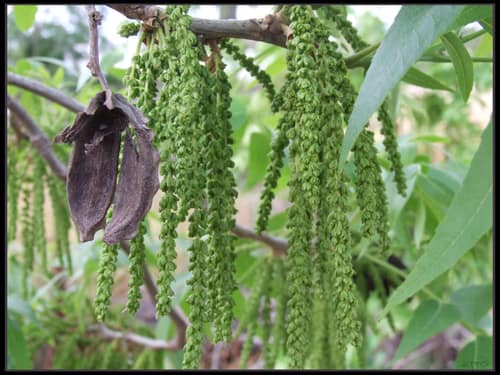
Same Genus (c) Eran Finkle, some rights reserved (CC BY) · cc-by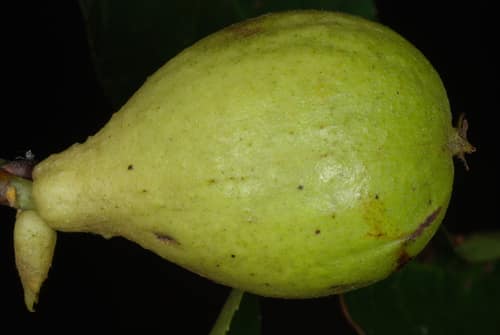
Same Genus (c) Douglas Goldman, some rights reserved (CC BY-SA), uploaded by Douglas Goldman · cc-by-sa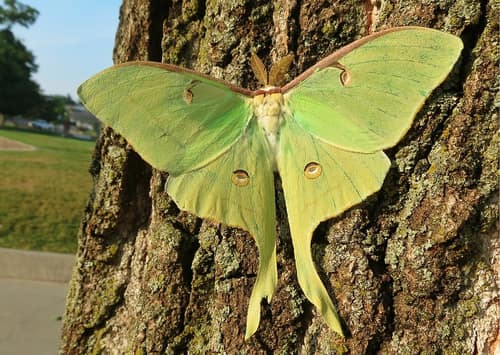
Host Plant "Lovely luna moth at the Neosho National Fish Hatchery" by U.S. Fish and Wildlife Service - Midwest Region is licensed under CC BY 2.0. To view a copy of this license, visit https://creativecommons.org/licenses/by/2.0/. · cc-by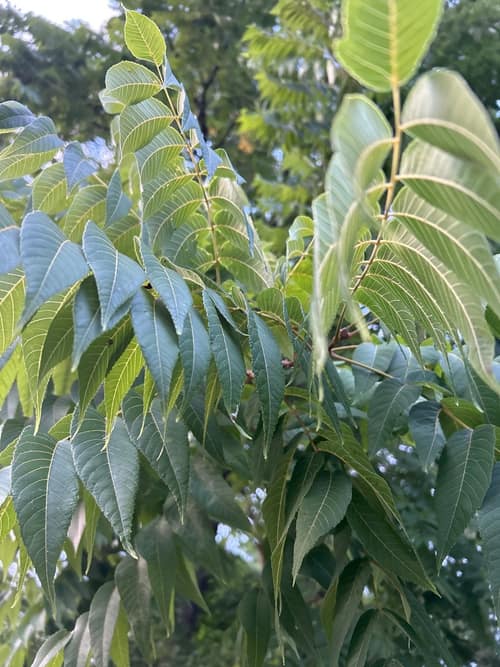
Same Family (c) SalamiRaptor, some rights reserved (CC BY-SA), uploaded by SalamiRaptor · cc-by-sa
Help improve the field guideSomething wrong?
Checking your Fauna account…Report a name, category, or profile issue for review.