
Plant
Shagbark Hickory
Carya ovataAlso known as Scalebark Hickory, Carolina Hickory, Northern Shagbark Hickory
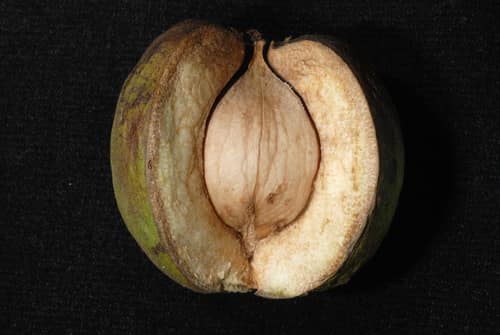
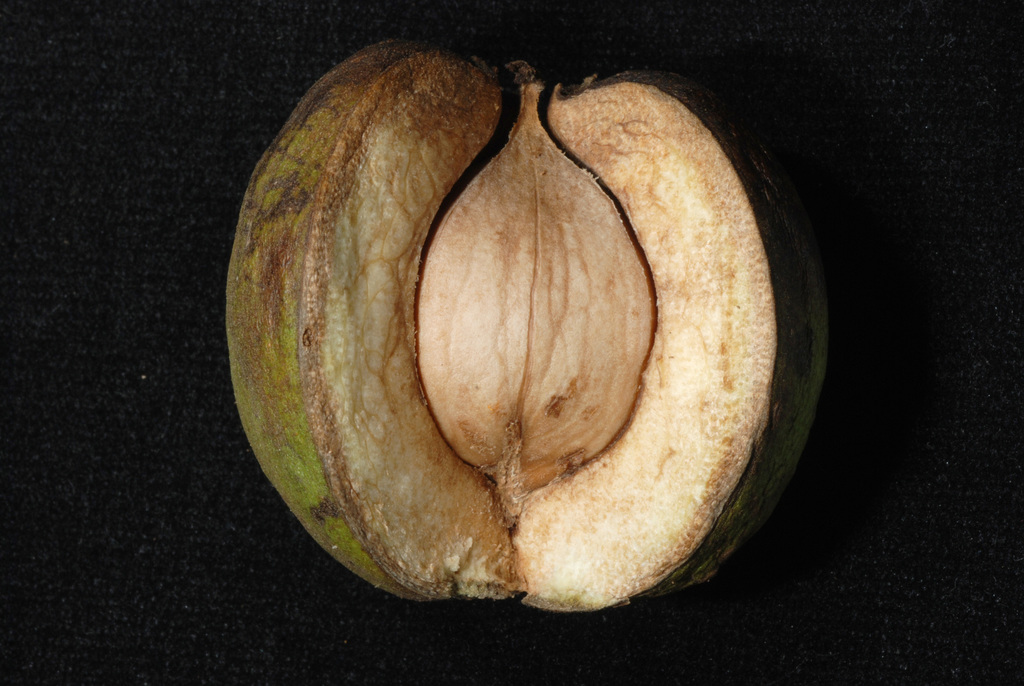
Shagbark hickories are easily recognized by their dramatic gray bark, which peels away in long, vertical plates curled at the ends. They produce large, thick-husked nuts that provide a rich seasonal food source for squirrels, wild turkeys, and black bears. These long-lived trees often anchor hardwood forests, forming deep taproots and producing exceptionally dense, shock-resistant wood.
DeciduousHardwoodNut Tree
—observations
—countries
—peak records
Least ConcernConservation statusIUCN Red List categoriesLCNTVUENCREWEXLeast ConcernRed List categories, explained →
Diet & preyAutotrophic (Photosynthesis)
ThreatsHabitat fragmentation, hickory bark beetle, climate change
HabitatsDeciduous forests, floodplains, well-drained slopes
Life span200–350 years
Classification
- OrderFagales
- FamilyJuglandaceae
- GenusCarya
- SpeciesCarya ovata
Range data is not available yet.
Interaction riskLow
- Low
- Moderate
- High
- Very high
- Why interaction risk is low
- Safe to observe at a normal distance.
Responsible observation
- Identify by Bark: Look for long, loose gray bark plates attached in the middle and curving outward at the edges.
- Spotting Nuts: Check the ground beneath mature trees in autumn for thick, four-valved woody husks.
- Observe Canopy: Look for compound leaves with five leaflets, the top three being noticeably larger.
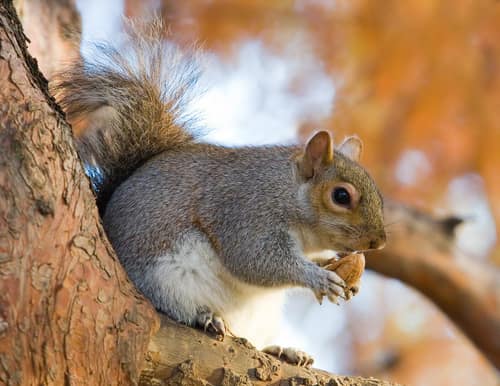
Seed Disperser (c) Diliff, some rights reserved (CC BY-SA) · cc-by-sa Image unavailable
Pest 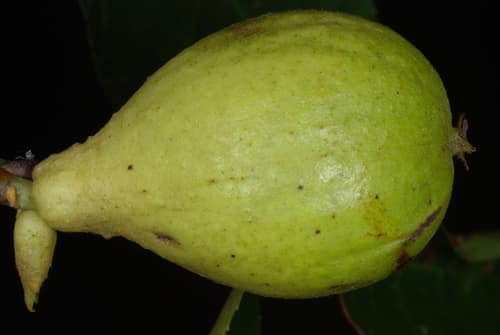
Close Relative (c) Douglas Goldman, some rights reserved (CC BY-SA), uploaded by Douglas Goldman · cc-by-sa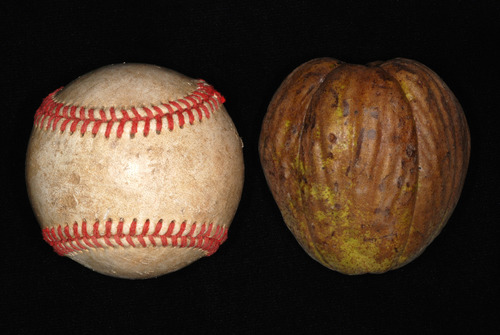
Close Relative (c) Douglas Goldman, some rights reserved (CC BY-SA), uploaded by Douglas Goldman · cc-by-sa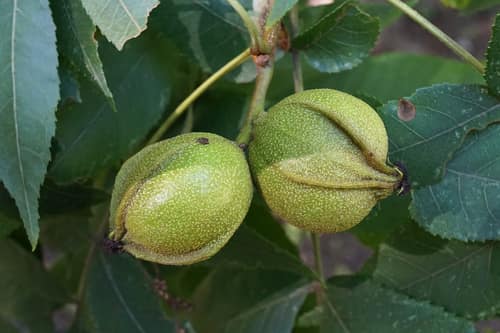
Close Relative (c) Plant Image Library, some rights reserved (CC BY-SA) · cc-by-sa
Help improve the field guideSomething wrong?
Checking your Fauna account…Report a name, category, or profile issue for review.