
Plant · GBIF taxon 3054289
Pecan
Carya illinoinensisAlso known as Pecan Hickory, Illinois Nut
Pecan trees dominate bottomland river valleys across North America, growing into massive canopy giants with deeply furrowed grey bark. Wind-borne pollen showers from slender green catkins each spring, fertilizing female flowers perched at the tips of young branches. Blue jays, squirrels, and wild turkeys rely on the heavy autumn nut drop for winter survival, acting as primary seed dispersal agents across river basins.
Canopy TreeDeciduousWind-Pollinated
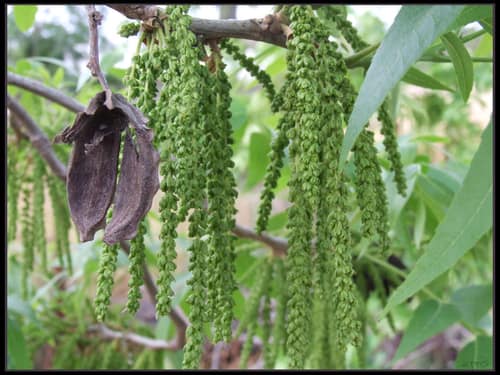
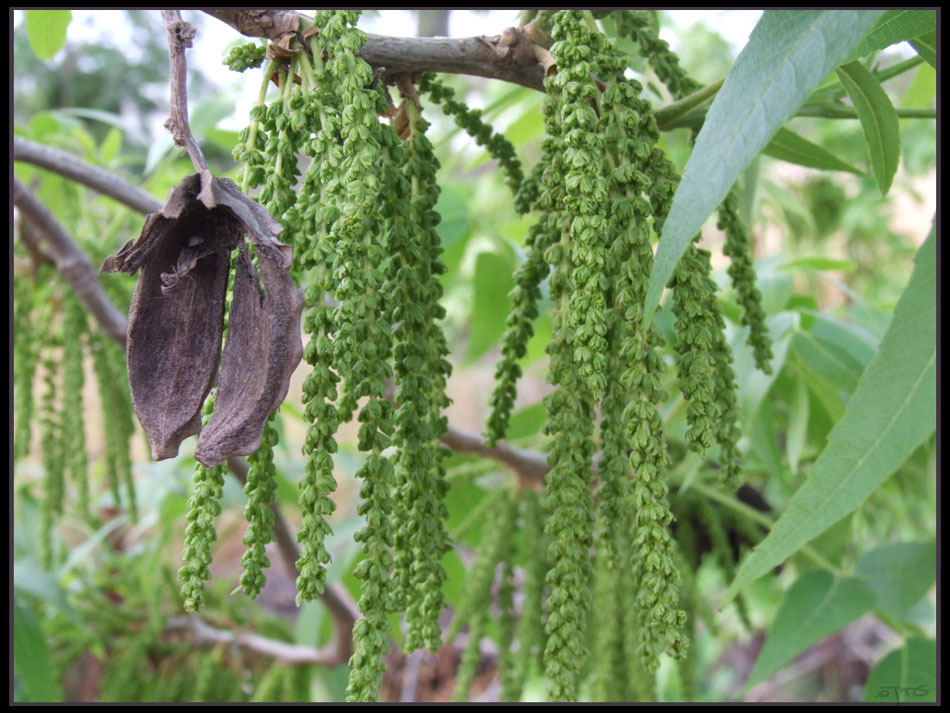
—observations
—countries
—peak records
Least ConcernConservation statusIUCN Red List categoriesLCNTVUENCREWEXLeast ConcernRed List categories, explained →
Diet & prey
- Sunlight
- Water
- Soil Nutrients
Predators
- Pecan Scab Fungus
- Hickory Shuckworm
- Pecan Weevil
ThreatsPecan scab fungus, hickory shuckworm, habitat loss, drought
HabitatsBottomland forests, riverbanks, floodplains, rich moist soils
Life span100–300 years
Classification
- OrderFagales
- FamilyJuglandaceae
- GenusCarya
- SpeciesCarya illinoinensis
Range data is not available yet.
Interaction riskLow
- Low
- Moderate
- High
- Very high
- Why interaction risk is low
- Pollen causes spring allergies; wild nuts have toxic look-alikes, so never consume wild plants based on app identification.
Responsible observation
- Spring Observations: Look for dangling yellowish-green male catkins swaying from twigs in early spring.
- Bark Cues: Identify mature trees by their dark grey bark broken into flattened, scaly ridges.
- Wildlife Watching: Visit late in autumn to watch blue jays and squirrels gathering nuts from the forest floor.
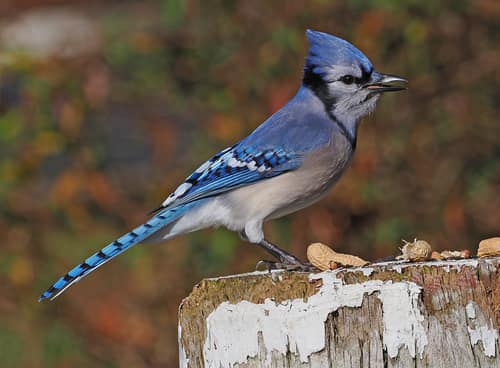
Seed Disperser (c) Judy Gallagher, some rights reserved (CC BY) · cc-by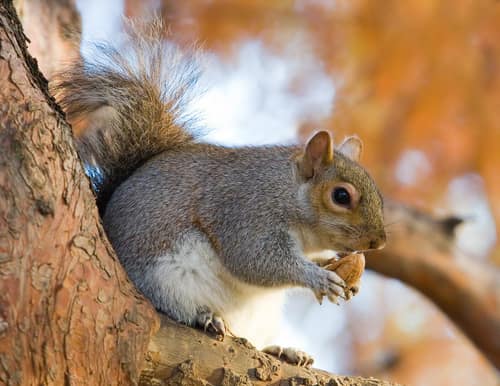
Seed Disperser (c) Diliff, some rights reserved (CC BY-SA) · cc-by-sa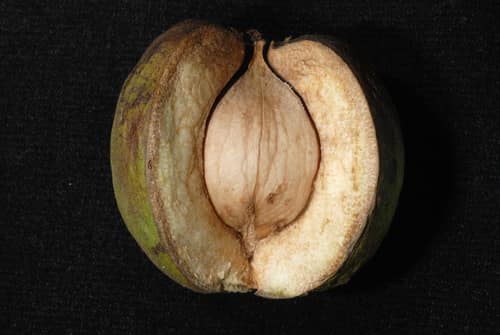
Close Relative (c) Douglas Goldman, some rights reserved (CC BY-SA), uploaded by Douglas Goldman · cc-by-sa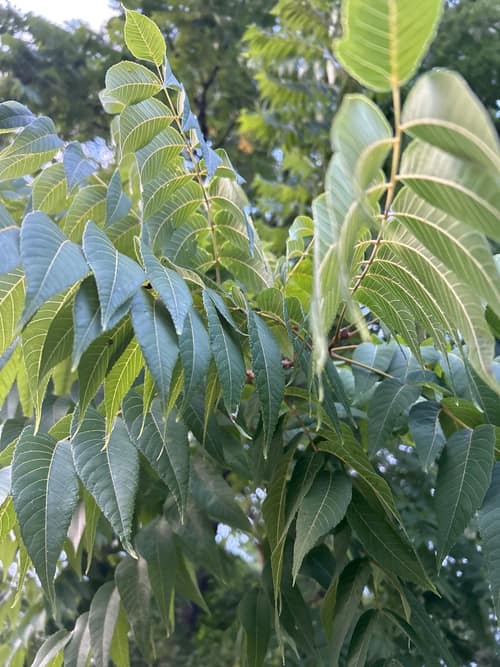
Family Relative (c) SalamiRaptor, some rights reserved (CC BY-SA), uploaded by SalamiRaptor · cc-by-sa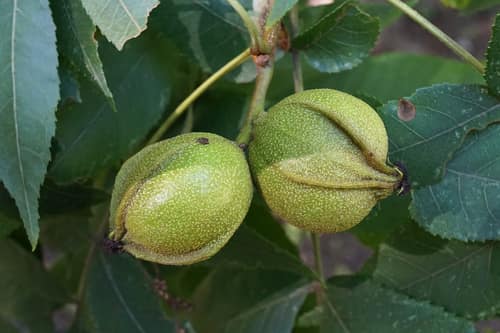
Close Relative (c) Plant Image Library, some rights reserved (CC BY-SA) · cc-by-sa
Help improve the field guideSomething wrong?
Checking your Fauna account…Report a name, category, or profile issue for review.