
Plant · GBIF taxon 3040237
Frémont Cottonwood
Populus fremontiiAlso known as Fremont's Cottonwood, Alamo Cottonwood, Rio Grande Cottonwood, Alamo
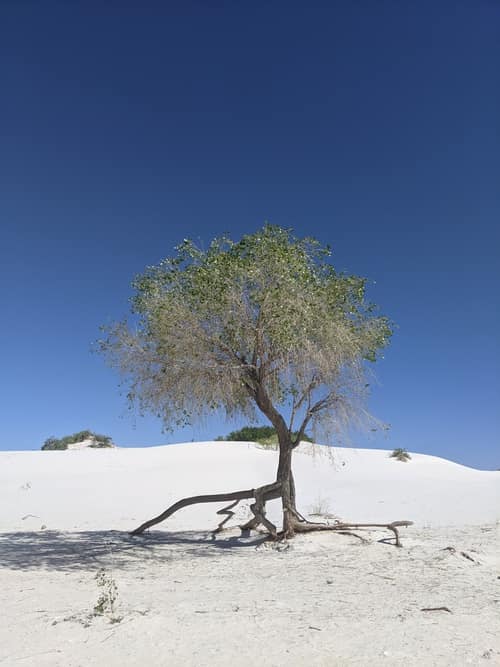
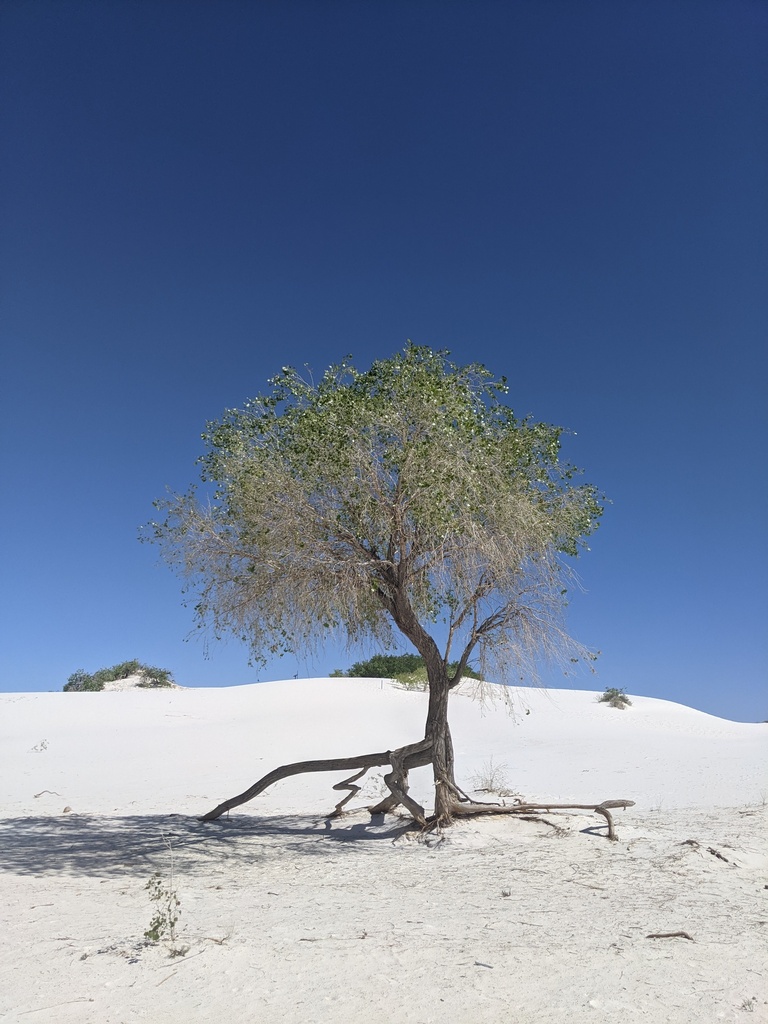
Frémont cottonwoods dominate low-elevation riverbanks and desert wash ecosystems across the American Southwest, where their broad canopies create essential shade and nesting habitat. In spring, female trees release dense clouds of fluffy, seed-bearing down that drift across floodplains to germinate on freshly deposited sandbars. Their triangular, bright green leaves rustle loudly in gentle breezes and turn a brilliant golden yellow each autumn.
RiparianDeciduousTree
—observations
—countries
—peak records
Least ConcernConservation statusIUCN Red List categoriesLCNTVUENCREWEXLeast ConcernRed List categories, explained →
Diet & prey
- Autotrophic (Photosynthesis)
Predators
- North American Beaver
- Mistletoe
- Cottonwood Borer
ThreatsWater diversion, damming, groundwater pumping, habitat loss
HabitatsRiparian zones, desert washes, floodplain terraces, riverbanks
Life span100–150 years
Size / weightNot available
Classification
- OrderMalpighiales
- FamilySalicaceae
- GenusPopulus
- SpeciesPopulus fremontii
Range data is not available yet.
Interaction riskLow
- Low
- Moderate
- High
- Very high
- Why interaction risk is low
- Safe to observe at a normal distance.
- What to notice
- Look for massive spreading trees with deeply furrowed grey bark and deltoid leaves growing along dry or active watercourses.
- Support conservation
- Avoid trampling young saplings near waterlines and refrain from breaking branches or cutting exposed roots.
Responsible observation
- Spring Fluff: Female trees shed windborne seeds attached to cottony hairs that can coat nearby ground.
- Birding Hotspot: Scan the high canopy in desert valleys for nesting raptors and migrating songbirds.
- Autumn Foliage: Visit southwestern river corridors in November to witness brilliant golden leaf changes.
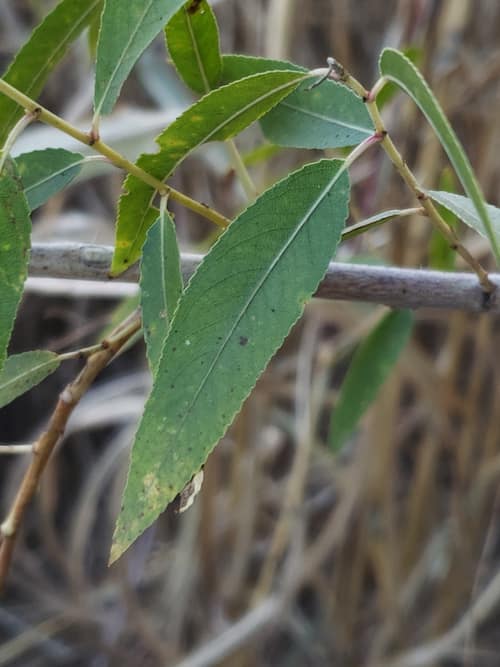
Riparian Neighbor (c) Alex Abair, some rights reserved (CC BY), uploaded by Alex Abair · cc-by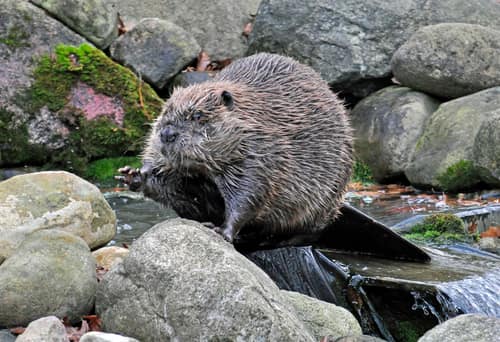
Herbivore (c) Rodney Campbell, some rights reserved (CC BY) · cc-by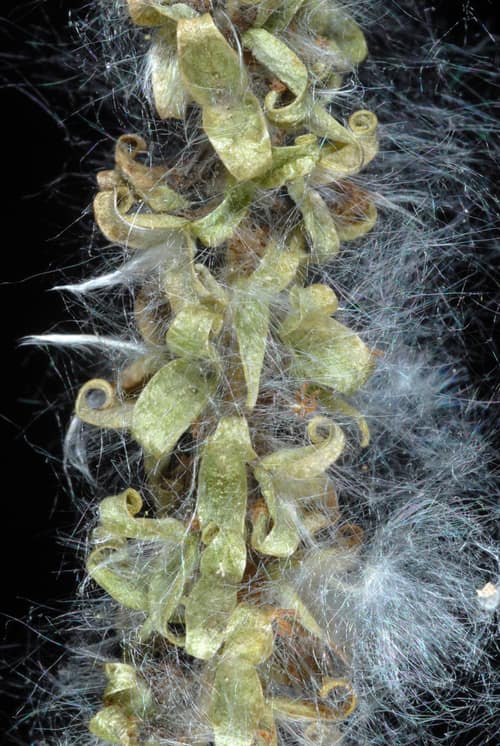
Close Relative (c) Douglas Goldman, some rights reserved (CC BY-SA), uploaded by Douglas Goldman · cc-by-sa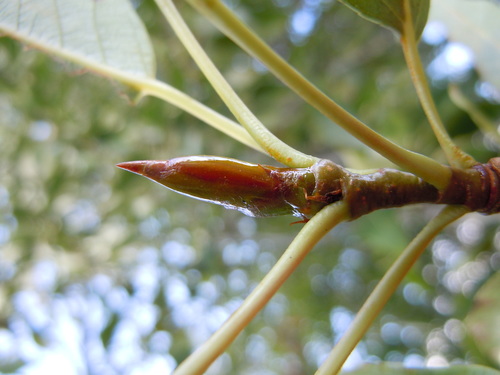
Close Relative (c) Matt Lavin, some rights reserved (CC BY-SA) · cc-by-sa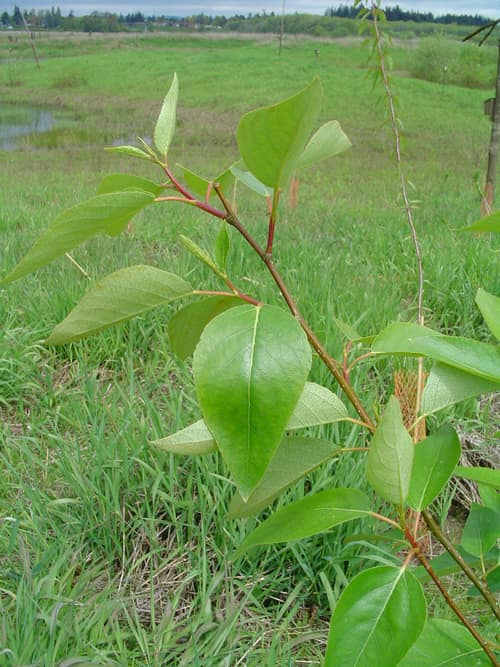
Close Relative (c) Tom Brandt, some rights reserved (CC BY-SA) · cc-by-sa
Help improve the field guideSomething wrong?
Checking your Fauna account…Report a name, category, or profile issue for review.