
Plant · GBIF taxon 3040184
Balsam Poplar
Populus balsamiferaAlso known as Tacamahac Poplar, Eastern Balsam Poplar, Hackmatack, Bamtree
Balsam poplars dominate northern floodplains and boreal riverbanks, instantly recognizable in spring by sticky, resinous buds that release a rich, spicy fragrance across the woods. These fast-growing trees produce male and female catkins before leafing out, relying on wind to carry pollen across floodplain thickets. As seeds mature in early summer, millions of tiny fluffy plumes disperse on air currents to colonize freshly exposed gravel bars.
BorealAromaticDeciduous
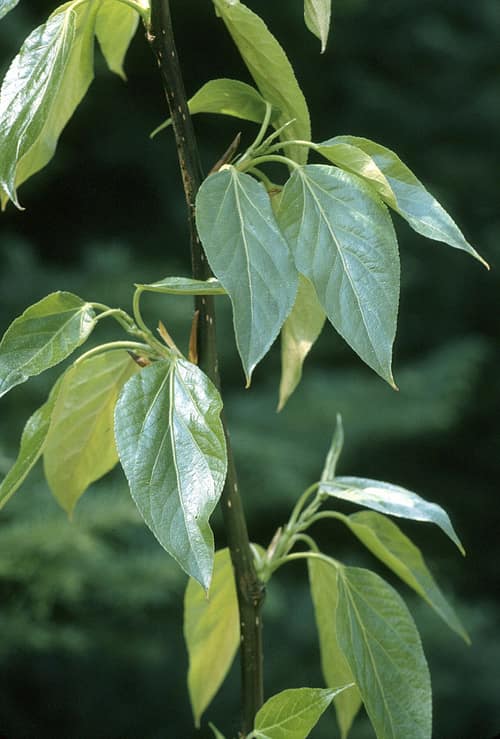
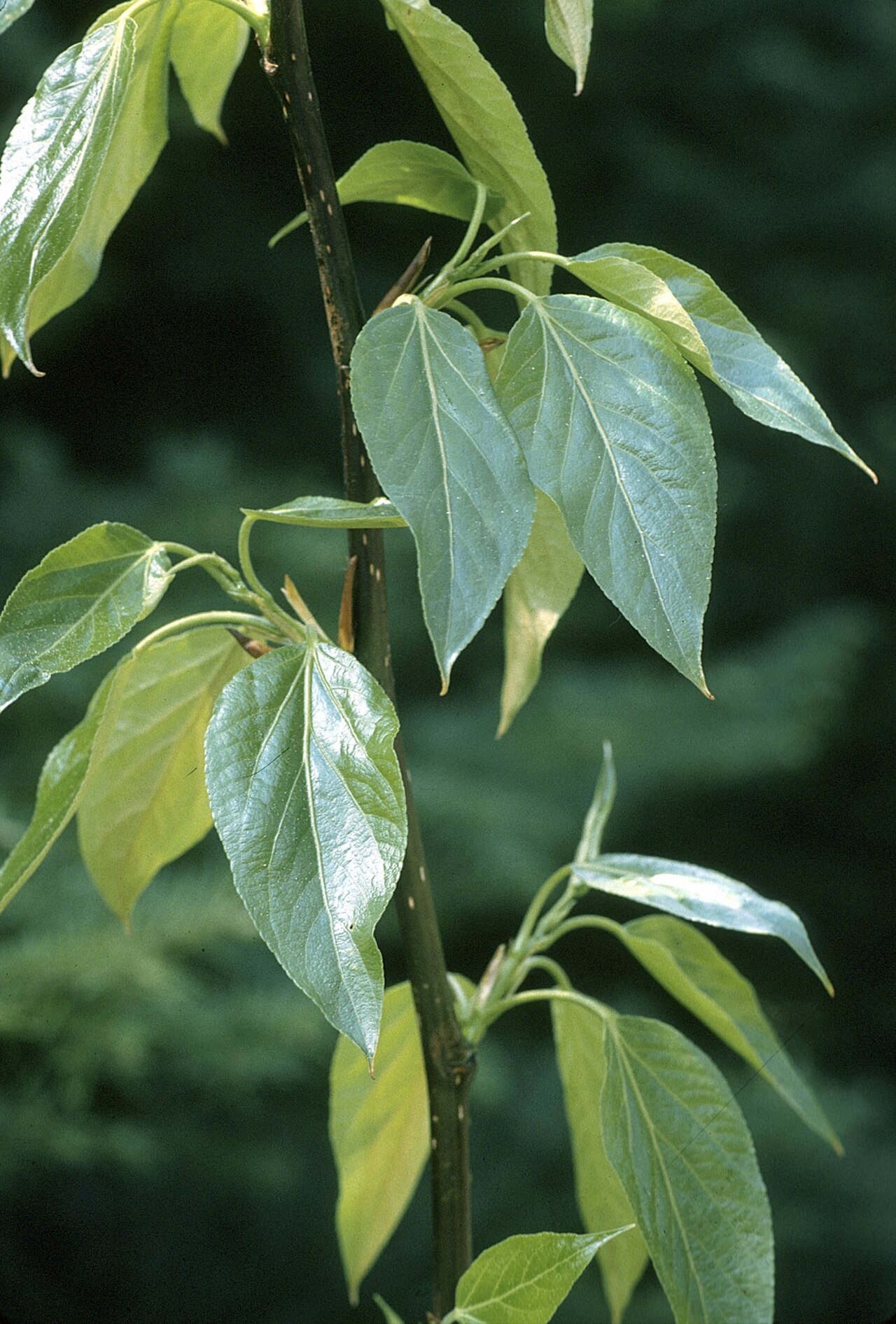
—observations
—countries
—peak records
Least ConcernConservation statusIUCN Red List categoriesLCNTVUENCREWEXLeast ConcernRed List categories, explained →
Diet & prey
- Autotrophic (Photosynthesis)
Predators
- North American Beaver
- Moose
- Poplar Borer
ThreatsHabitat fragmentation, severe drought, beaver foraging
HabitatsBoreal forests, riverbanks, floodplains, wet lowlands
Life span70–150 years
Classification
- OrderMalpighiales
- FamilySalicaceae
- GenusPopulus
- SpeciesPopulus balsamifera
Range data is not available yet.
Interaction riskLow
- Low
- Moderate
- High
- Very high
- Why interaction risk is low
- Safe to observe at a normal distance.
Responsible observation
- Spring Buds: Gently press early spring leaf buds to release their distinct balsam fragrance.
- Seasonal Fluff: Watch for cotton-like seed plumes drifting on early summer breezes near waterways.
- Bark Observation: Compare the smooth grey bark of young stems with the deeply furrowed bark of mature trunks.
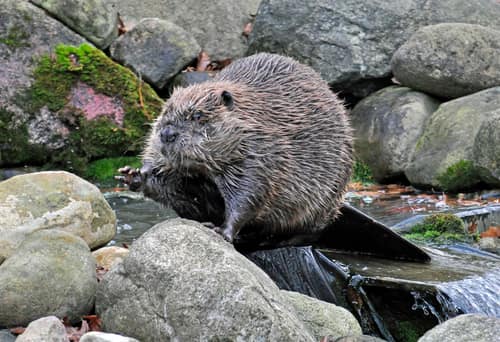
Herbivore (c) Rodney Campbell, some rights reserved (CC BY) · cc-by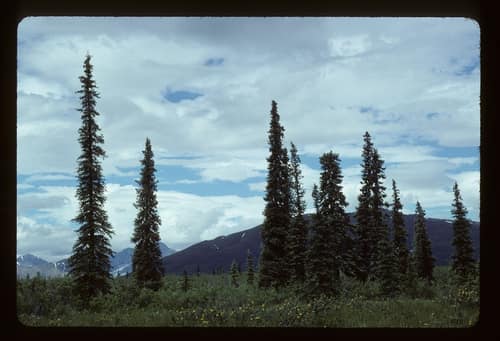
Frequent Companion (c) Douglas Goldman, some rights reserved (CC BY-SA), uploaded by Douglas Goldman · cc-by-sa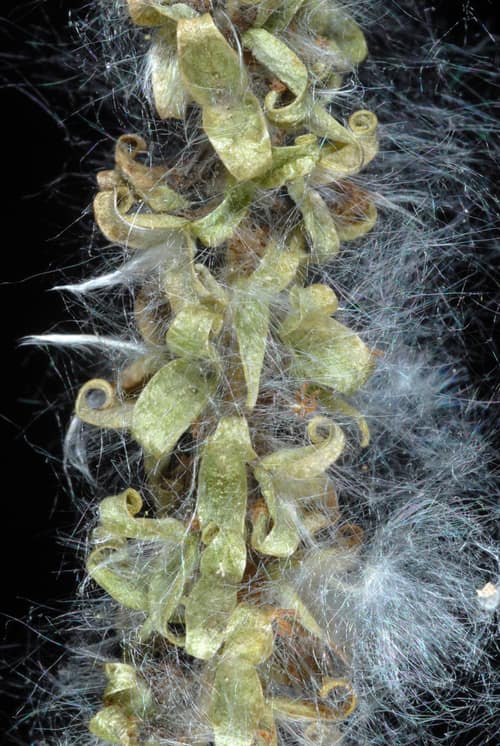
Close Relative (c) Douglas Goldman, some rights reserved (CC BY-SA), uploaded by Douglas Goldman · cc-by-sa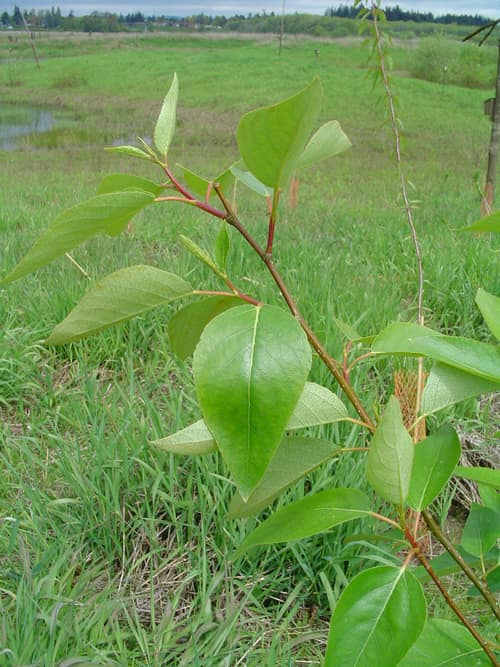
Close Relative (c) Tom Brandt, some rights reserved (CC BY-SA) · cc-by-sa
Help improve the field guideSomething wrong?
Checking your Fauna account…Report a name, category, or profile issue for review.