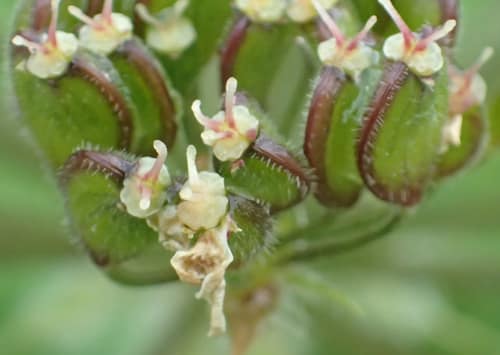
Also known as Deadly Hemlock, Poison Parsley, Spotted Hemlock, California Fern
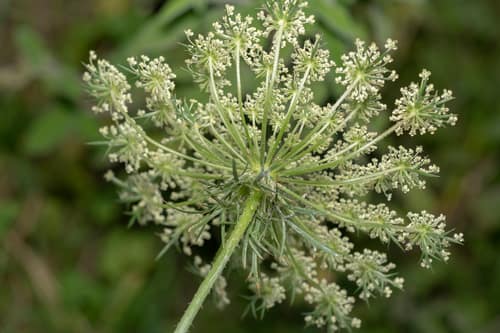
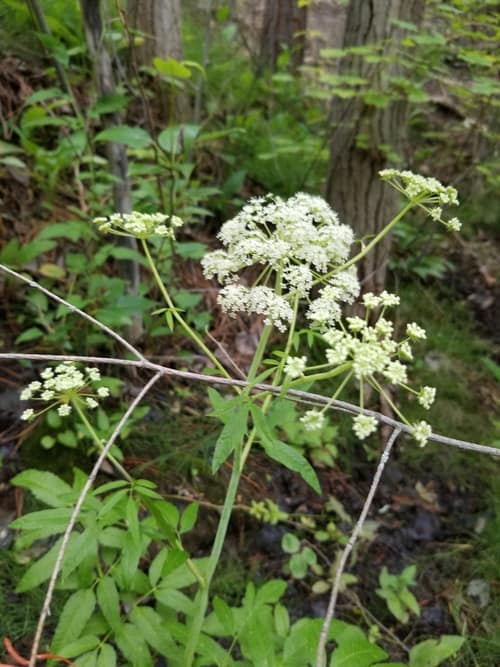
Poison hemlock stands out in damp pastures, ditch banks, and disturbed roadsides as a towering biennial with finely divided, fern-like foliage and broad umbels of tiny white flowers. Every part of the plant packs virulent piperidine alkaloids that block neuromuscular transmission, fatally paralyzing the respiratory system in grazing livestock and foraging humans. Infamous as the brew forced upon Socrates in classical Athens, it continues to thrive as an aggressive colonizer across temperate regions worldwide.
ThreatsHerbicidal spraying, repeated mowing before seed set, and specialist defoliating insects
HabitatsRoadsides, ditch banks, stream margins, agricultural field edges, and waste grounds
Life spanBiennial (typically 2 years)
Classification
OrderApiales
FamilyApiaceae
GenusConium
SpeciesConium maculatum
Range & activity
Range data is not available yet.
Safe observation
Interaction riskHigh
Low
Moderate
High
Very high
Why interaction risk is high
All parts contain lethal neurotoxins and irritant sap; never ingest and avoid touching without gloves.
Why it is dangerous
Contains potent neurotoxins, primarily coniine and gamma-coniceine, which cause rapid ascending muscular paralysis and fatal asphyxiation within hours of ingestion.
How to recognize a risky encounter
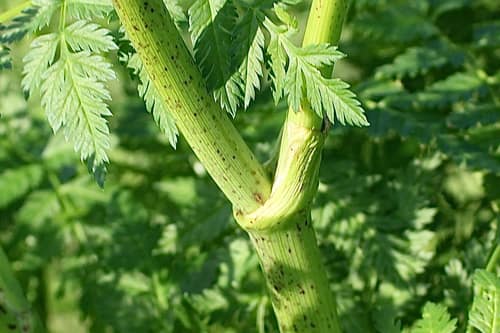
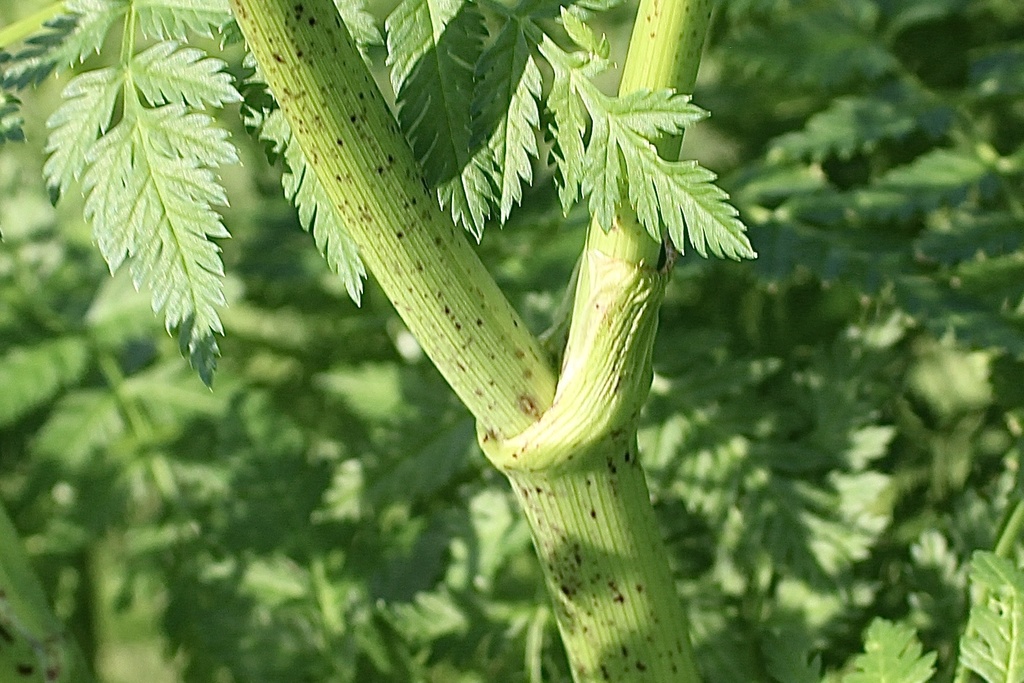
Look for smooth, waxy, completely hairless stems with purple spots, fern-like triangular leaves, and a faint, repulsive rodent-like odor.
What to do
Do not touch with bare skin; if contact occurs, wash thoroughly with soap and water immediately, and seek emergency care if any material is ingested.
Responsible observation
Stem Inspection: Identify the plant safely from a distance by checking for hollow, entirely hairless stems covered in purple blotches.
Removal Caution: Wear impervious gloves, long sleeves, and eye protection when cutting, bagging the debris immediately.
Avoid Burning: Never burn cut stalks, as inhaled smoke can carry aerosolized toxic alkaloids directly into the lungs.