
Plant · GBIF taxon 3034826
Common Cowparsnip
Heracleum maximumAlso known as American Cow-Parsnip, Satan Celery, Indian Celery, Pushki
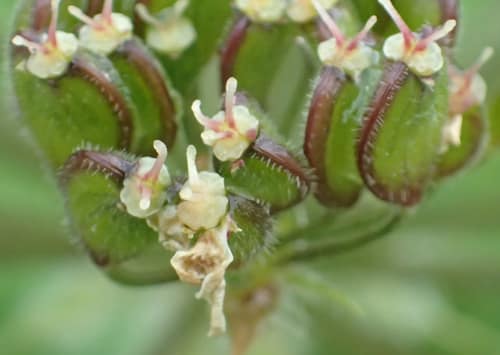
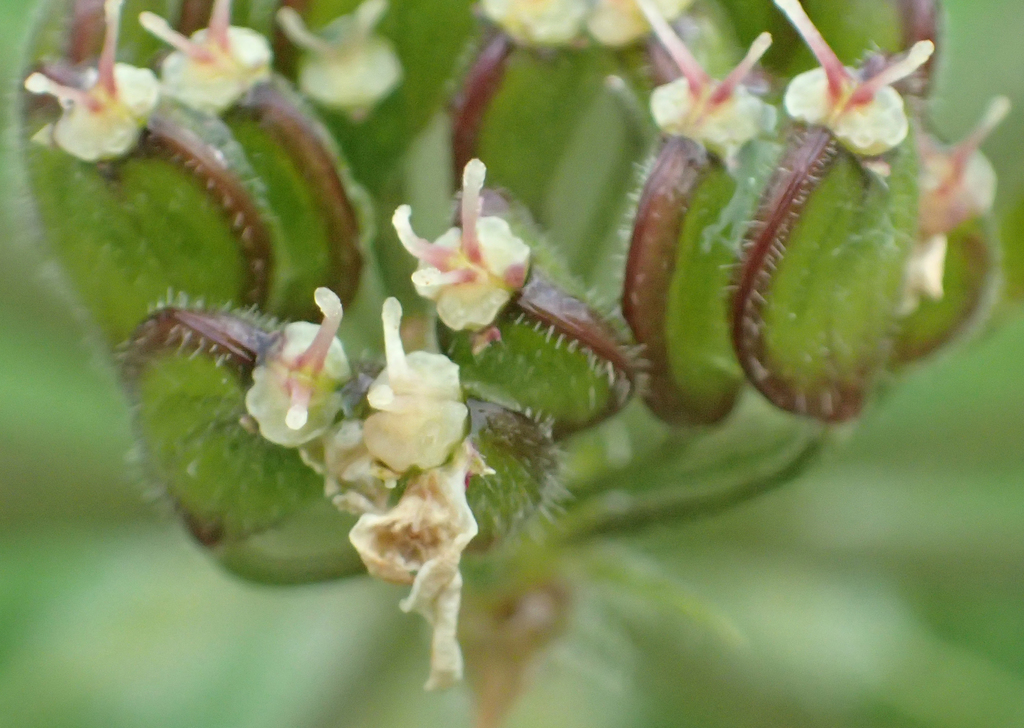
Common cowparsnip stands as a towering herbaceous perennial, often reaching heights of over two meters in moist, sunny environments. Its massive, flat-topped clusters of white flowers act as bustling landing pads for hundreds of native pollinators, from tiny parasitic wasps to heavy bumblebees. The deeply lobed, maple-like leaves and hollow, ribbed stems are covered in fine, stiff hairs that contain phototoxic sap.
ToweringWildflowerPollinator-Magnet
 1 / 7
1 / 7—observations
—countries
—peak records
Least ConcernConservation statusIUCN Red List categoriesLCNTVUENCREWEXLeast ConcernRed List categories, explained →
Diet & prey
- Autotrophic (Photosynthetic)
Predators
- Black Swallowtail Caterpillars
- Deer
- Aphids
ThreatsHabitat loss, displacement by invasive giant hogweed, and herbicide spraying
HabitatsMoist meadows, forest edges, stream banks, and roadside ditches
Life span3 to 10 years
Size / weightNot available
Classification
- FamilyApiaceae
- SpeciesHeracleum maximum
Range data is not available yet.
Interaction riskHigh
- Low
- Moderate
- High
- Very high
- Why interaction risk is high
- Sap causes severe blistering in sunlight and resembles deadly hemlock; do not touch or ingest.
- Why it is dangerous
- The sap contains furanocoumarins, which cause severe blistering, rashes, and permanent scarring when exposed to sunlight.
- How to recognize a risky encounter
- Look for a massive plant with hollow, deeply ridged stems covered in fine hairs, and large, maple-like lobed leaves.
- What to do
- Never touch the plant with bare skin, and wash any exposed areas immediately while keeping them shaded.
Responsible observation
- Observe from a distance: Admire the impressive size and busy pollinator activity without touching the foliage.
- Wear protective clothing: Use long sleeves and gloves if clearing brush near these plants to avoid sap contact.
- Wash immediately: Clean any skin exposed to the sap with cold water and soap, keeping it out of sunlight.
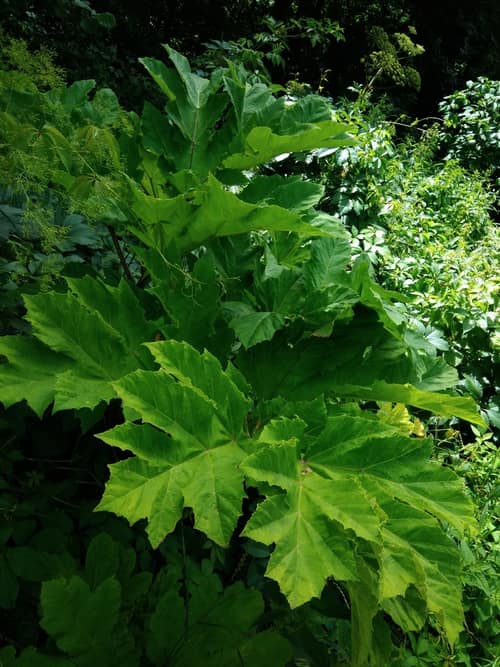
Invasive Look-Alike (c) Valerii Darmostuk, some rights reserved (CC BY), uploaded by Valerii Darmostuk · cc-by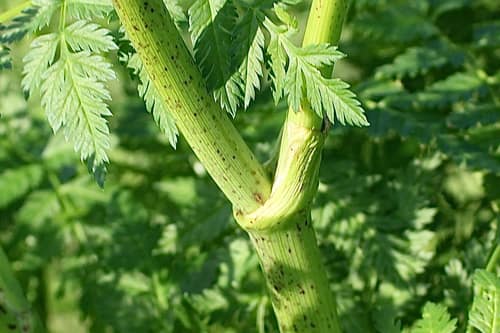
Deadly Look-Alike (c) L.J. Lamera, some rights reserved (CC BY), uploaded by L.J. Lamera · cc-by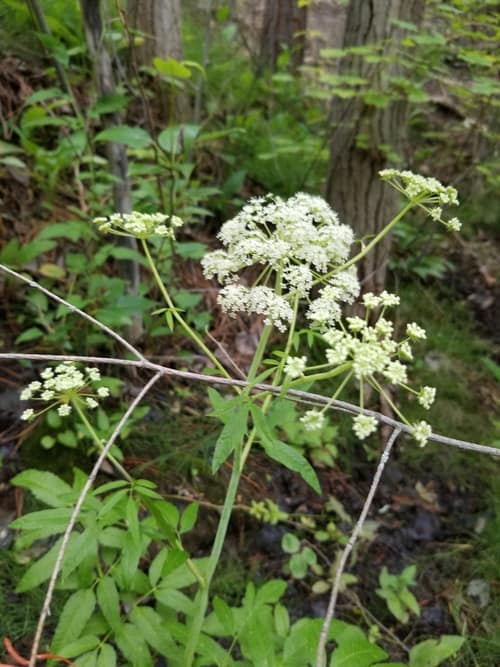
Deadly Look-Alike no rights reserved, uploaded by Megan Blackmore · cc0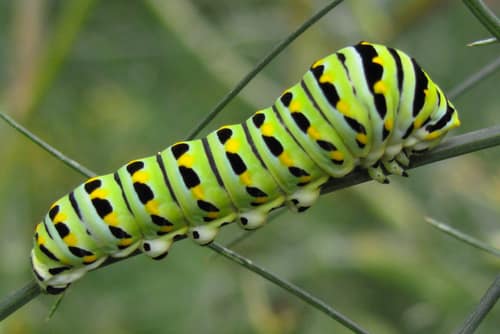
Herbivore "black swallowtail caterpillar" by animantis is licensed under CC BY 2.0. To view a copy of this license, visit https://creativecommons.org/licenses/by/2.0/. · cc-by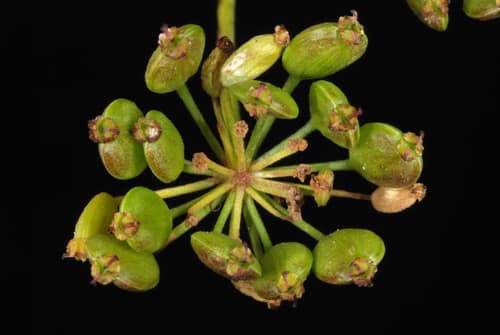
Close Relative (c) Douglas Goldman, some rights reserved (CC BY-SA), uploaded by Douglas Goldman · cc-by-sa
Help improve the field guideSomething wrong?
Checking your Fauna account…Report a name, category, or profile issue for review.