
Plant
Multiflora Rose
Rosa multifloraAlso known as Baby Rose, Japanese Rose, Many-Flowered Rose, Seven-Sisters Rose
Multiflora rose forms dense, arching thickets that crowd out native flora across pastures, forest borders, and wetlands. In early summer, thousands of small, fragrant white flowers cover the sprawling branches, giving way to persistent red hips that feed overwintering birds. Sharp curved thorns and aggressive root sprouting allow single plants to claim vast areas of open ground.
InvasiveFloweringThorny
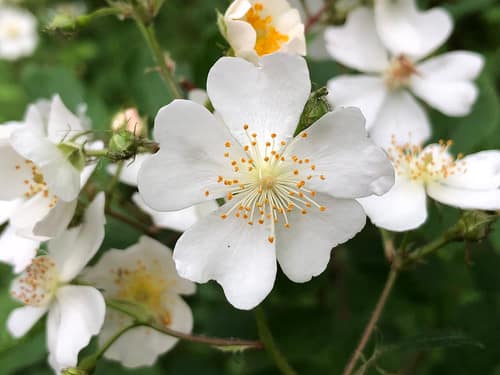
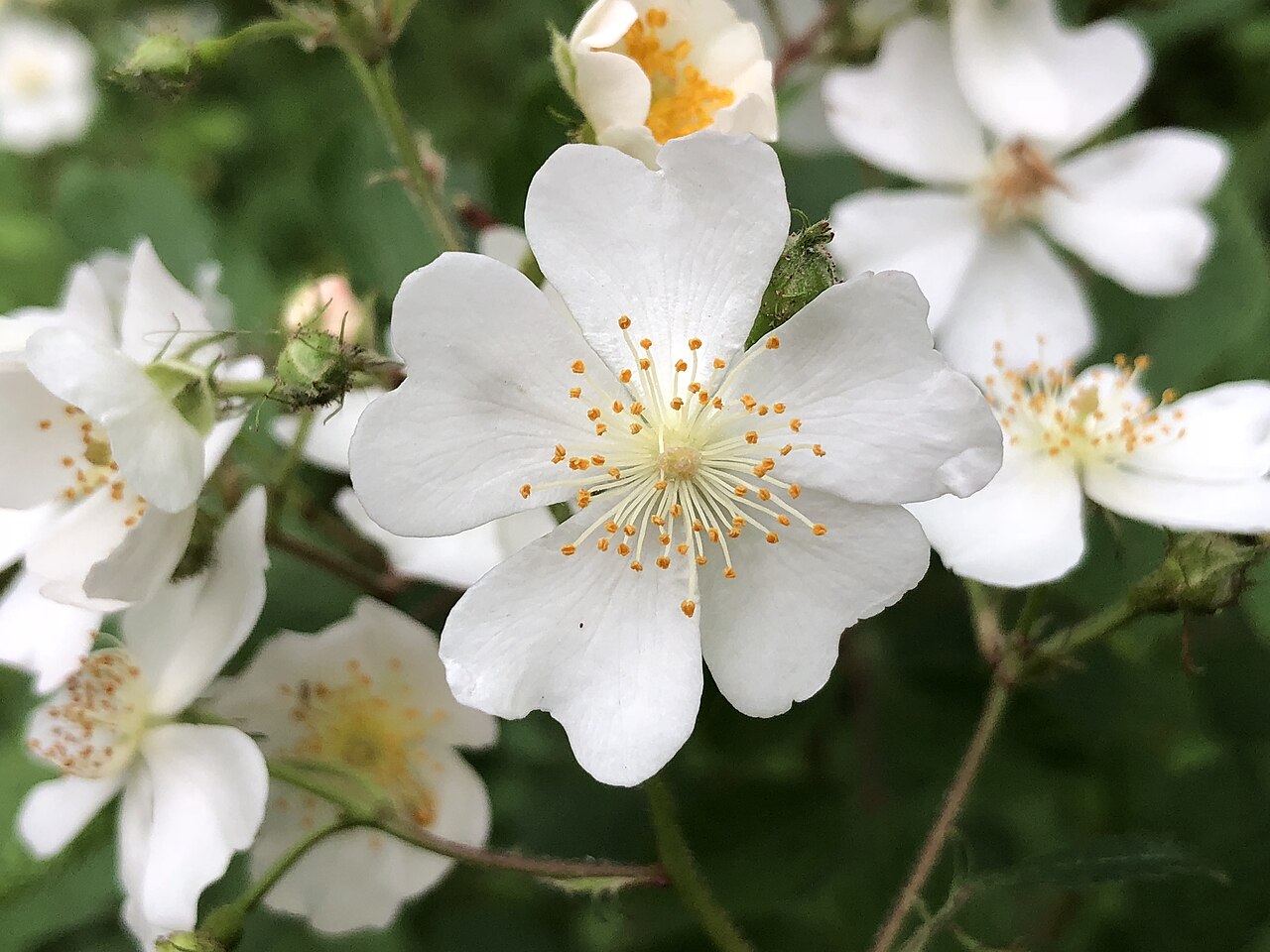
—observations
—countries
—peak records
Not EvaluatedConservation statusIUCN Red List categoriesLCNTVUENCREWEXNot Evaluated — not placed on the risk ladderRed List categories, explained →
Diet & preySunlight, Water, Soil Nutrients
Predators
- Cedar Waxwing
- American Robin
- White-Tailed Deer
ThreatsHerbicides, mechanical cutting, rose rosette disease
HabitatsPastures, forest margins, old fields, roadsides, floodplain woods
Life span10–30 years
Classification
- OrderRosales
- FamilyRosaceae
- GenusRosa
- SpeciesRosa multiflora
Range data is not available yet.
Interaction riskLow
- Low
- Moderate
- High
- Very high
- Why interaction risk is low
- Wild berries have toxic look-alikes; never eat based on app identification alone. Sharp thorns can snag skin or clothes.
Responsible observation
- Spotting Stipules: Look for the distinctive feathered or fringed leaf bases at the stem junction.
- Spring Bloom: Search for abundant clusters of small white five-petaled flowers in May and June.
- Thicket Caution: Avoid walking through dense tangles to prevent hooked thorns from catching clothing.
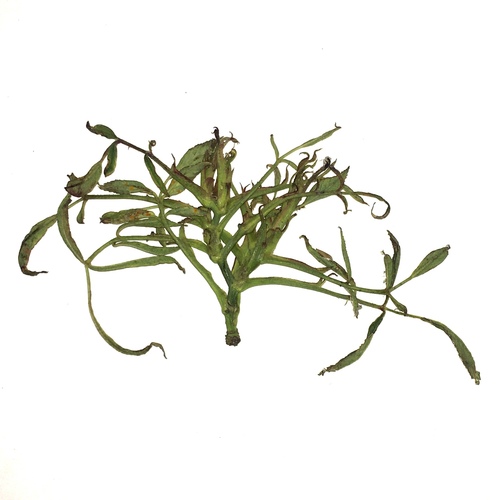
Parasite Vector (c) James K. Douch, some rights reserved (CC BY-SA), uploaded by James K. Douch · cc-by-sa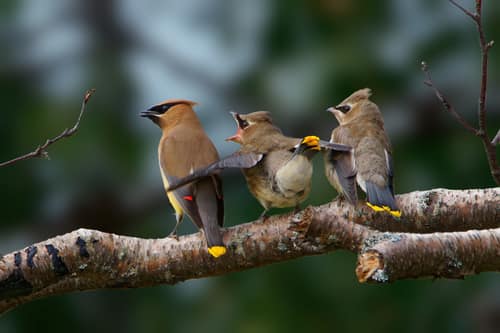
Seed Disperser (c) Christian Back, some rights reserved (CC BY), uploaded by Christian Back · cc-by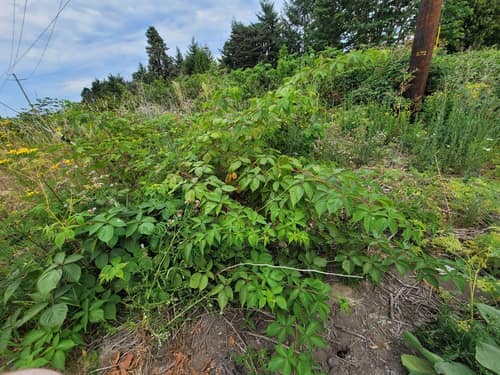
Competitor (c) giantcicada, some rights reserved (CC BY) · cc-by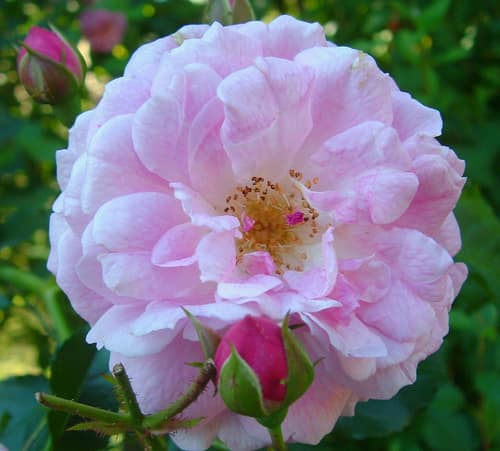
Close Relative "Rugosa rose" by nordique is licensed under CC BY 2.0. To view a copy of this license, visit https://creativecommons.org/licenses/by/2.0/. · cc-by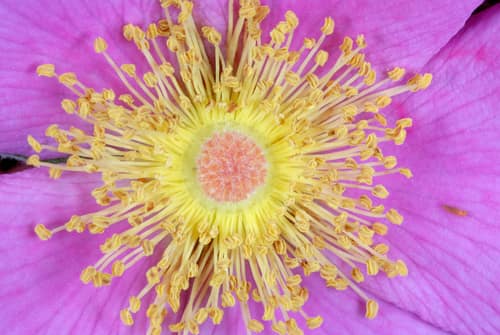
Native Relative (c) Douglas Goldman, some rights reserved (CC BY-SA) · cc-by-sa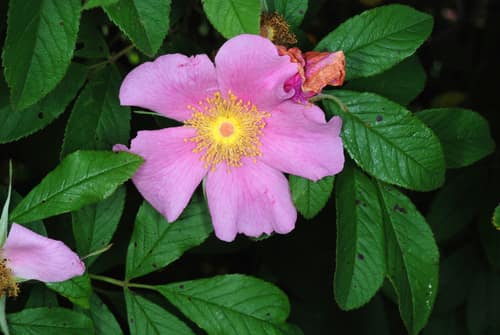
Native Relative (c) Douglas Goldman, some rights reserved (CC BY-SA), uploaded by Douglas Goldman · cc-by-sa
Keep collecting in Fauna
Found in Collections
Ecosystem chain Pro
Secret Garden
Multiflora Rose is found in this collection. Identify it in Fauna to fill this slot and continue your progress.
Unlock to track progress
Help improve the field guideSomething wrong?
Checking your Fauna account…Report a name, category, or profile issue for review.