
Plant · GBIF taxon 8235931
Allegheny Blackberry
Rubus allegheniensisAlso known as Allegheny Highbush Blackberry, Common Blackberry, Sow-Teat Blackberry
Allegheny blackberry forms dense, thorny thickets along forest edges, roadsides, and disturbed fields across eastern North America. White five-petaled flowers bloom in late spring, attracting diverse native bees and pollinators before developing into dark compound drupelets. The shrub serves as vital cover and a food source for birds and small mammals that disperse seeds throughout early-successional habitats.
Thorny ShrubFloweringBerry-Bearing
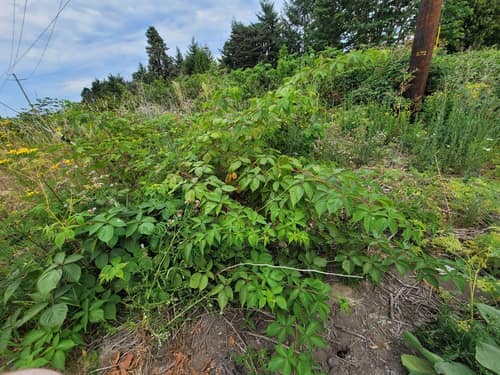
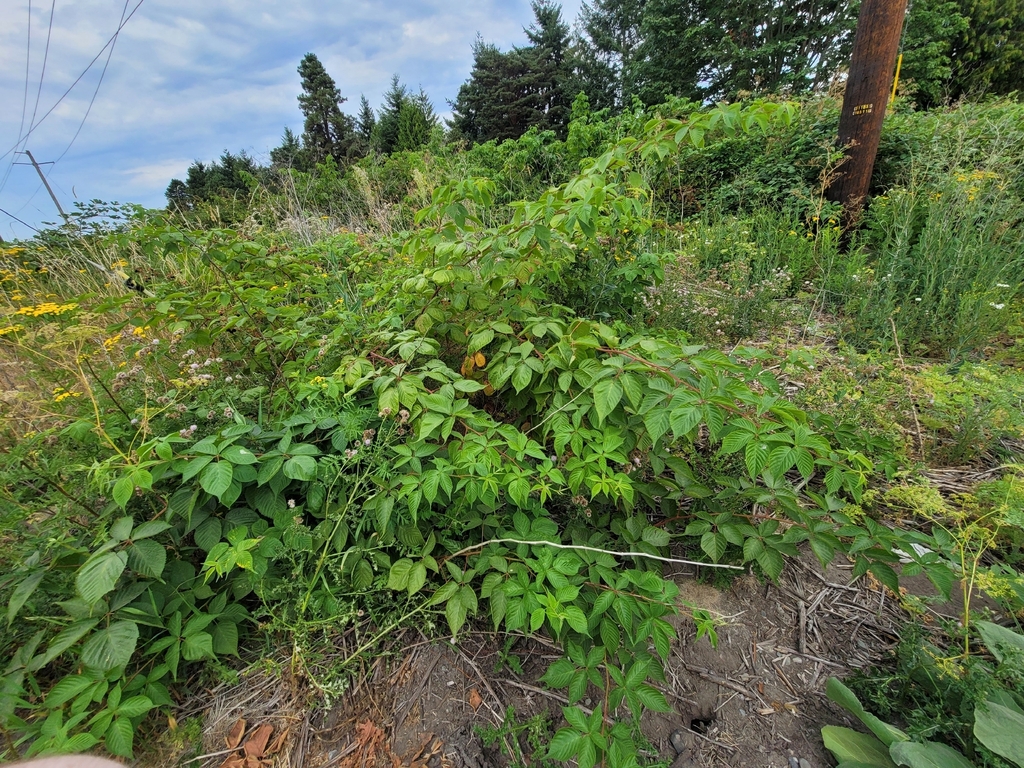
—observations
—countries
—peak records
Least ConcernConservation statusIUCN Red List categoriesLCNTVUENCREWEXLeast ConcernRed List categories, explained →
Diet & prey
- Autotrophic (Photosynthetic)
Predators
- White-tailed Deer
- American Robin
- Black Bear
ThreatsLand clearance, aggressive invasive plants
HabitatsForest edges, thickets, roadsides, clearings, disturbed soil
Life spanPerennial root system; canes live 2 years
Size / weightNot available
Classification
- OrderRosales
- FamilyRosaceae
- GenusRubus
- SpeciesRubus allegheniensis
Range data is not available yet.
Interaction riskLow
- Low
- Moderate
- High
- Very high
- Why interaction risk is low
- Wild berries have toxic look-alikes; never eat based on app identification alone.
Responsible observation
- Prickle Caution: Watch for sharp thorn-like prickles along the arching stems.
- Pollinator Spotting: Observe flowers in early summer for diverse native bees.
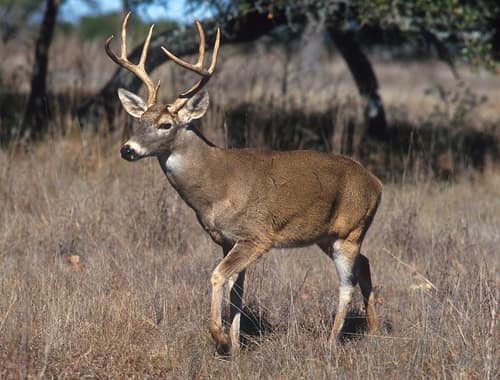
Herbivore USDA photo by Scott Bauer / Public domain · cc0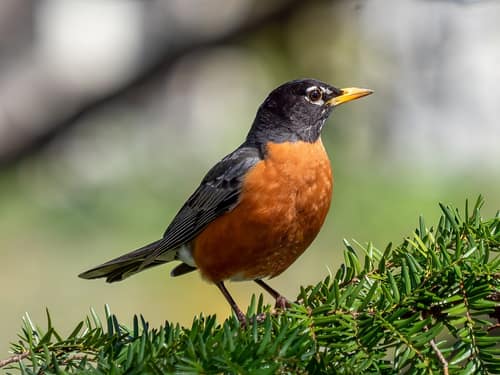
Seed Disperser Rhododendrites / CC BY-SA 4.0 · cc-by-sa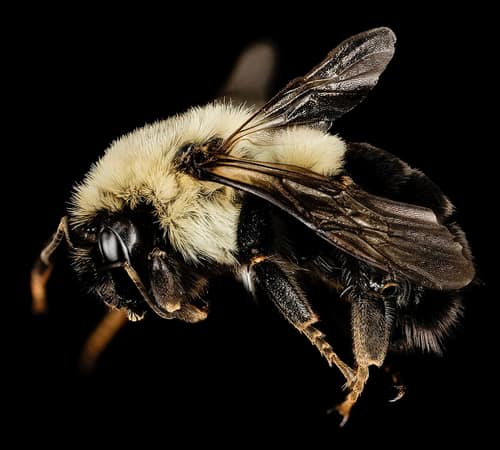
Pollinator USGS Bee Inventory and Monitoring Lab from Beltsville, Maryland, USA / Public domain · cc0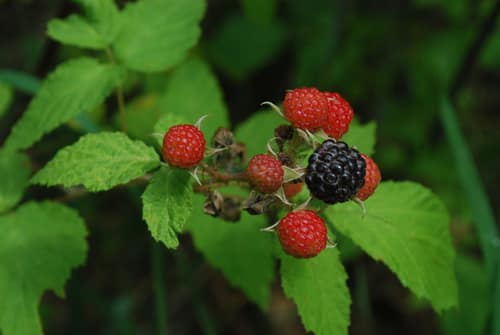
Close Relative (c) Joshua Mayer, some rights reserved (CC BY-SA) · cc-by-sa
Help improve the field guideSomething wrong?
Checking your Fauna account…Report a name, category, or profile issue for review.