
Plant
Common Dewberry
Rubus flagellarisAlso known as Northern Dewberry, Running Dewberry, Whiplash Dewberry
Common dewberry sprawls low along open ground, sending out long, thorny biennial canes that root wherever their tips touch bare soil. Solitary white flowers with five slender petals open from late spring into early summer, providing critical nectar for solitary bees and early butterflies. The trailing brambles form dense mats that anchor sandy or disturbed soils while offering sheltered nesting cover and fruit for songbirds and small mammals.
FloweringGroundcoverPerennial
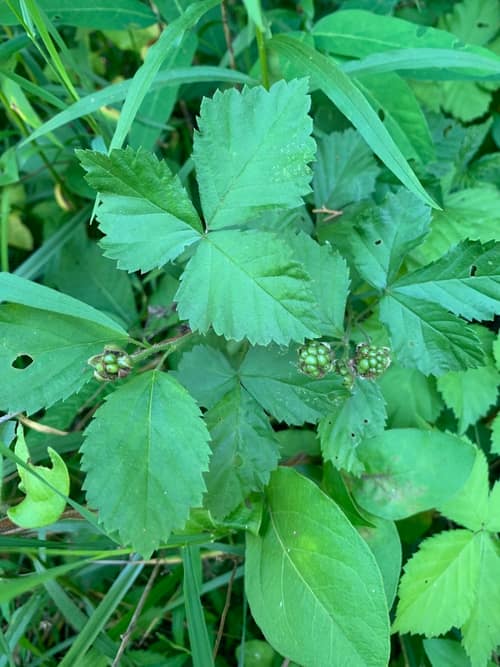
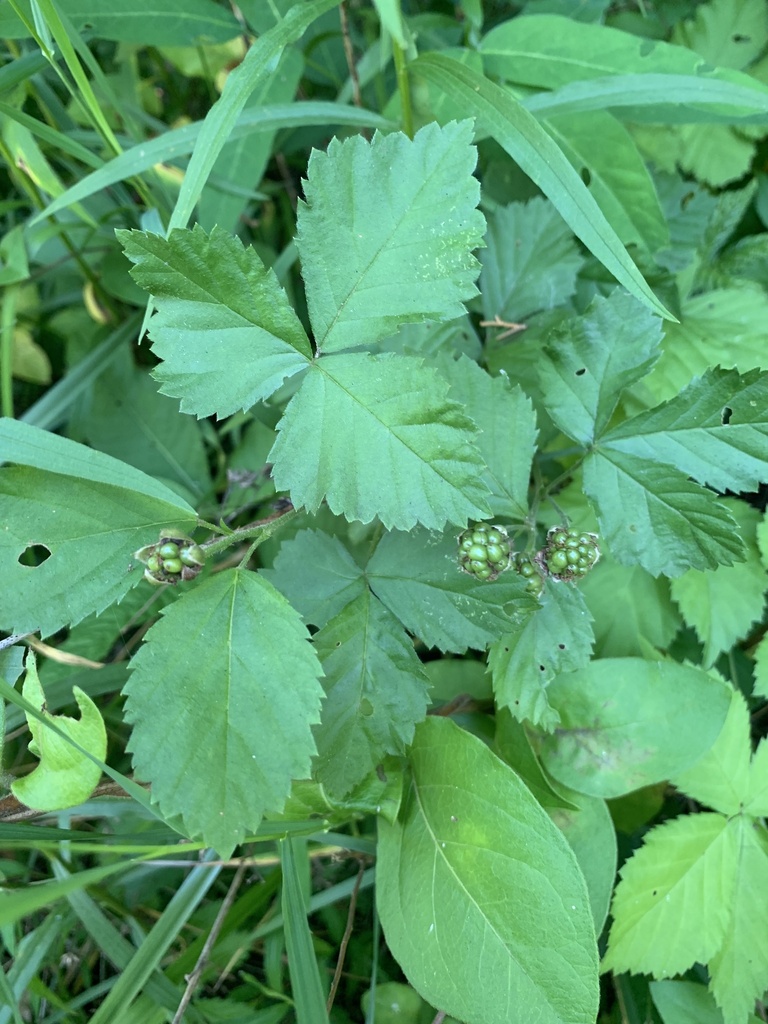
—observations
—countries
—peak records
Not EvaluatedConservation statusIUCN Red List categoriesLCNTVUENCREWEXNot Evaluated — not placed on the risk ladderRed List categories, explained →
Diet & preySunlight, Water, Soil nutrients
Predators
- White-tailed Deer
- Eastern Cottontail
- American Robin
ThreatsCanopy closure from forest succession, invasive weeds, herbicide spraying
HabitatsOld fields, savannas, prairies, open woods, pastures, roadsides
Life spanPerennial root system (canes biennial)
Classification
- OrderRosales
- FamilyRosaceae
- GenusRubus
- SpeciesRubus flagellaris
Range data is not available yet.
Interaction riskLow
- Low
- Moderate
- High
- Very high
- Why interaction risk is low
- Wild berries have toxic look-alikes; never eat based on app identification alone.
Responsible observation
- Footwear Caution: Watch for trailing canes across paths, as prickles easily snag socks and shoe laces.
- Pollinator Viewing: Check open blooms on sunny mornings to spot native bees collecting pollen.
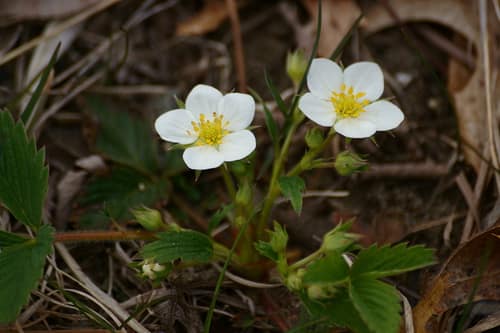
Frequent Companion (c) psweet, some rights reserved (CC BY-SA), uploaded by psweet · cc-by-sa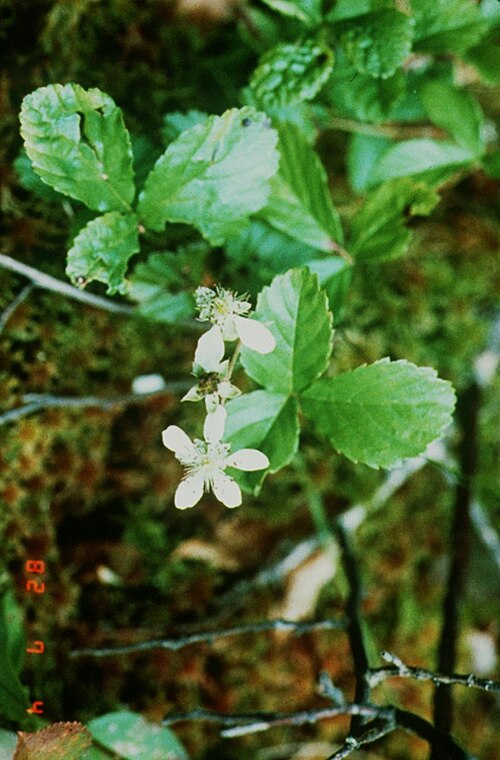
Close Relative Wikimedia Commons / Public domain · cc0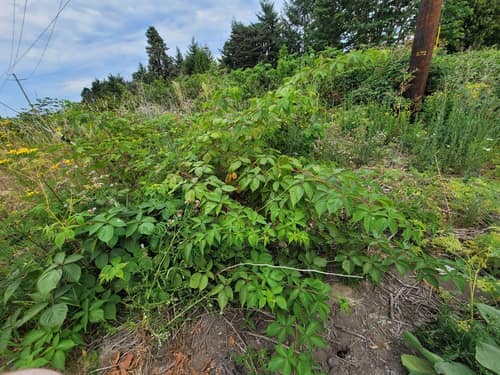
Close Relative (c) giantcicada, some rights reserved (CC BY) · cc-by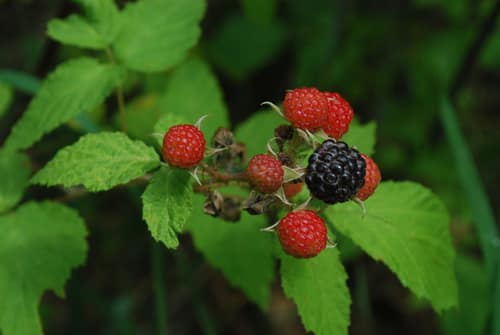
Close Relative (c) Joshua Mayer, some rights reserved (CC BY-SA) · cc-by-sa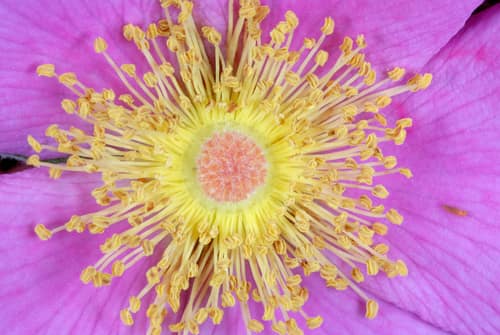
Rose Family Relative (c) Douglas Goldman, some rights reserved (CC BY-SA) · cc-by-sa
Help improve the field guideSomething wrong?
Checking your Fauna account…Report a name, category, or profile issue for review.