
Plant · GBIF taxon 7950792
Virginia Strawberry
Fragaria virginianaAlso known as Wild Strawberry, Common Strawberry, Mountain Strawberry, Scarlet Strawberry
Virginia strawberries spread across open fields, sunny clearings, and forest edges via running stolons that form dense green groundcover. In mid-spring, five-petaled white flowers bloom above trifoliate leaves, attracting native bees and flies before setting small, red, seed-studded fruits. Songbirds, small mammals, and box turtles consume the fruits, dispersing seeds across North American landscapes.
FloweringGroundcoverPerennial
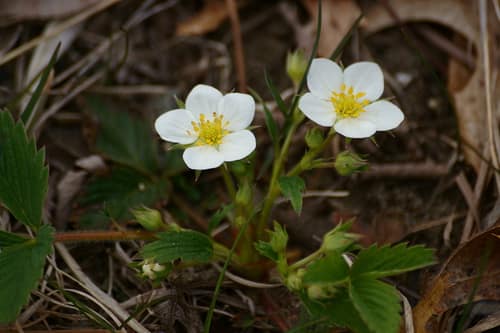
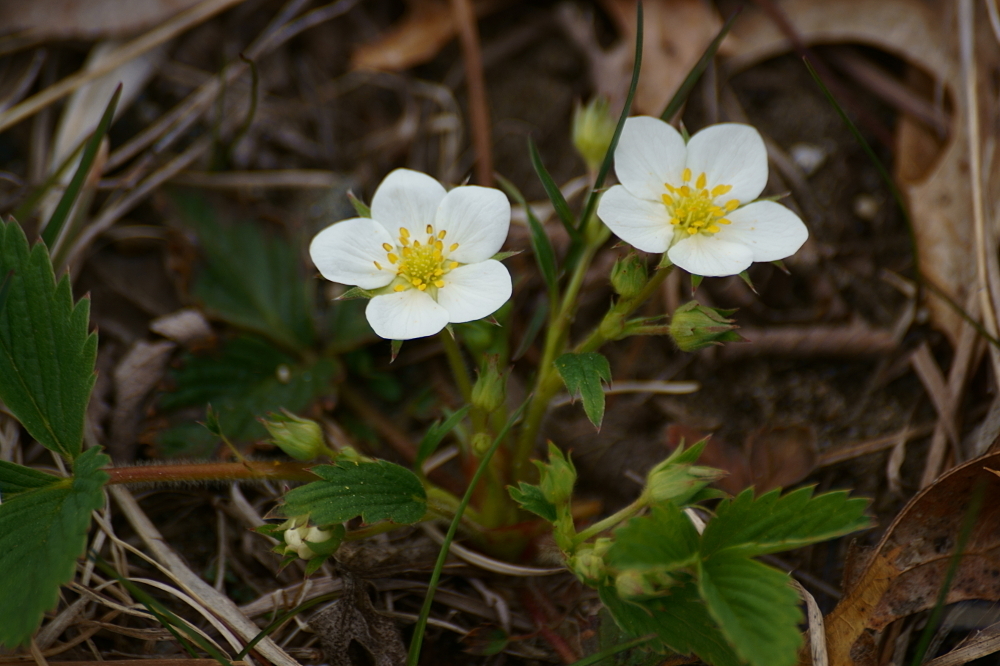
—observations
—countries
—peak records
Least ConcernConservation statusIUCN Red List categoriesLCNTVUENCREWEXLeast ConcernRed List categories, explained →
Diet & prey
- Autotrophic
Predators
- White-tailed Deer
- Eastern Cottontail
- Groundhog
ThreatsHabitat loss, invasive weed competition, herbicide runoff
HabitatsMeadows, open woodlands, prairies, roadsides, disturbed soils
Life spanPerennial (individual crowns live 3–6 years, clones persist indefinitely)
Classification
- OrderRosales
- FamilyRosaceae
- GenusFragaria
- SpeciesFragaria virginiana
Range data is not available yet.
Interaction riskLow
- Low
- Moderate
- High
- Very high
- Why interaction risk is low
- Wild berries have toxic look-alikes; never eat wild fruit based on app identification alone.
Responsible observation
- Identification: Look for sunken seeds on red fruits to distinguish it from related species.
- Observation: Watch for native bees visiting the white five-petaled blossoms in late spring.
- Habitat Use: Find dense patches along sunny path edges and old field habitats.
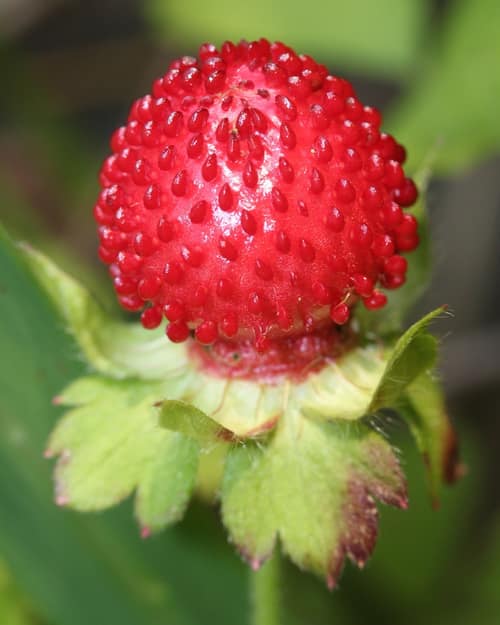
Look-Alike (c) Alpsdake, some rights reserved (CC BY-SA) · cc-by-sa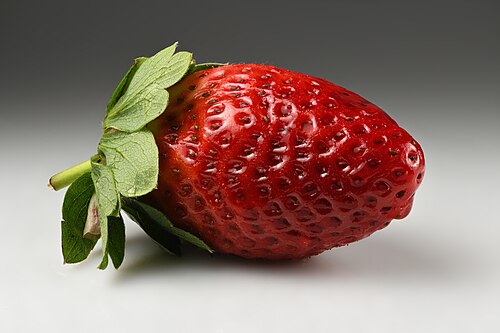
Hybrid Descendant Ivar Leidus / CC BY-SA 4.0 · cc-by-sa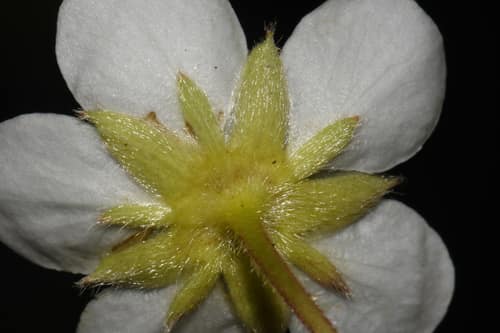
Close Relative (c) Brian Finzel, some rights reserved (CC BY-SA), uploaded by Brian Finzel · cc-by-sa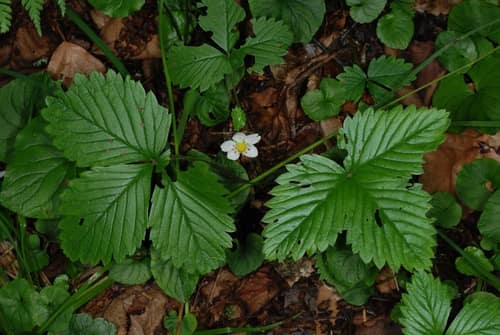
Close Relative (c) Douglas Goldman, some rights reserved (CC BY-SA), uploaded by Douglas Goldman · cc-by-sa
Help improve the field guideSomething wrong?
Checking your Fauna account…Report a name, category, or profile issue for review.