
Plant
Jackfruit
Artocarpus heterophyllusAlso known as Jack Tree
Jackfruit trees produce the largest tree-borne fruit on earth, sprouting massive, knobby, green-to-yellow syncarps directly from the trunk and thick branches rather than the outer twigs. Native to the rainforests of southwestern India, this evergreen member of the mulberry family exudes a sticky white latex from every cut leaf, stem, and rind. Wind and small beetles pollinate its dense flower clusters, while elephants, primates, and bats disperse the large seeds.
EvergreenTropicalBroadleaf
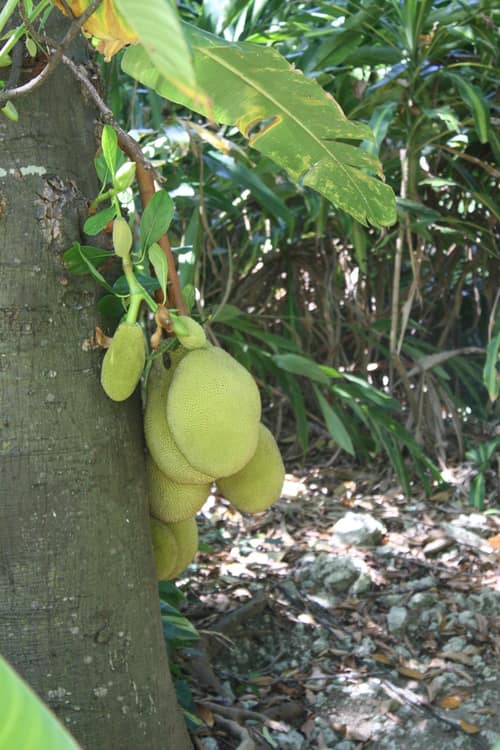
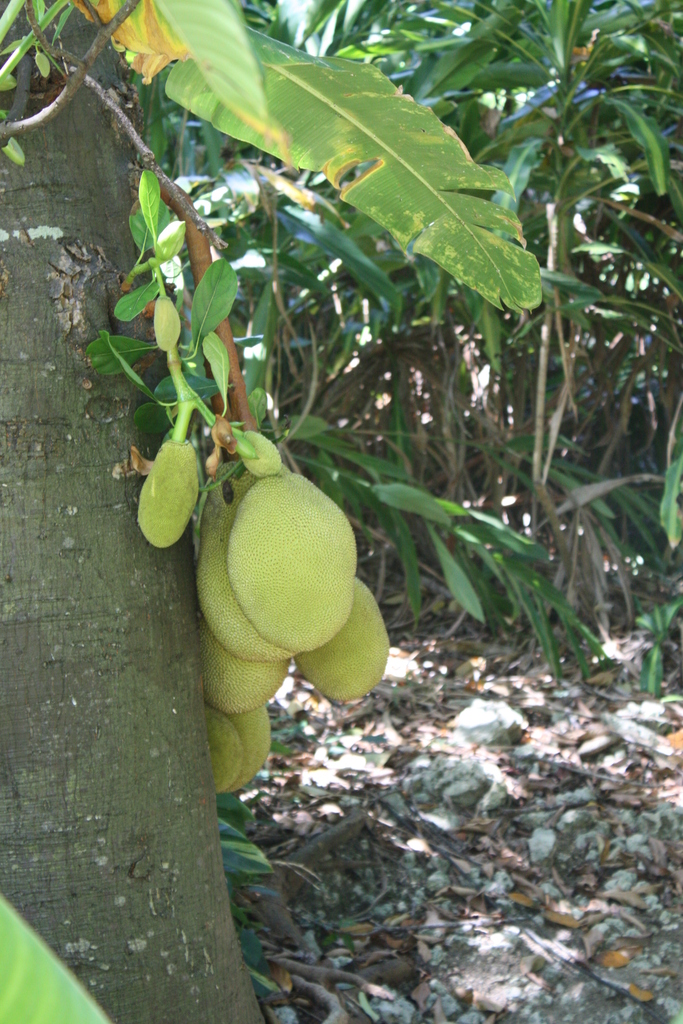
—observations
—countries
—peak records
Not EvaluatedConservation statusIUCN Red List categoriesLCNTVUENCREWEXNot Evaluated — not placed on the risk ladderRed List categories, explained →
Diet & preySunlight, Water, Soil Nutrients
Predators
- Asian Elephants
- Macaques
- Fruit-boring Moths
ThreatsHabitat loss in native range, root rot, and fruit-boring insects
HabitatsTropical and subtropical humid forests, home gardens, and orchards
Life span60–100 years
Classification
- OrderRosales
- FamilyMoraceae
- GenusArtocarpus
- SpeciesArtocarpus heterophyllus
Range data is not available yet.
Interaction riskLow
- Low
- Moderate
- High
- Very high
- Why interaction risk is low
- Safe to observe at a normal distance; avoid standing directly beneath heavy ripening fruit.
Responsible observation
- Canopy Check: Look up before lingering underneath, as mature fruits can weigh over 20 kg.
- Sap Caution: Avoid breaking leaves or bark, which ooze a stubborn, sticky white latex.
- Trunk Observation: Inspect the main trunk and thick lower limbs where flowers and fruits emerge directly.
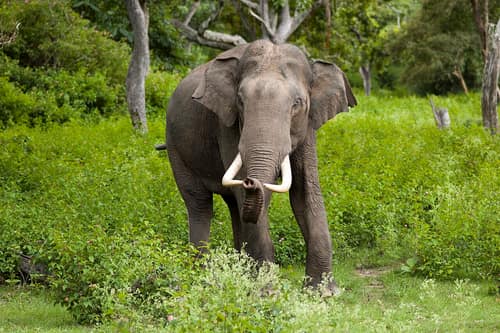
Seed Disperser Yathin S Krishnappa / CC BY-SA 3.0 · cc-by-sa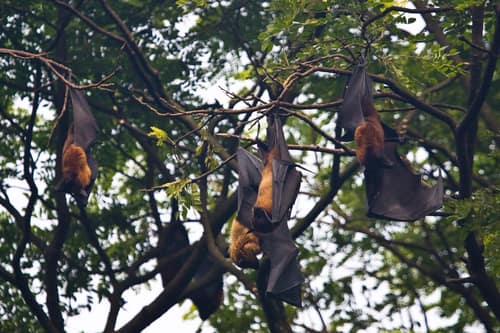
Seed Disperser (c) Ken-ichi Ueda, some rights reserved (CC BY) · cc-by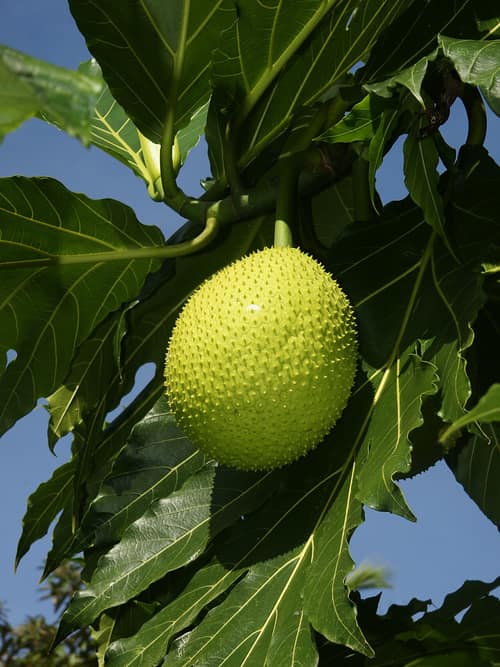
Close Relative Hans Hillewaert / CC BY-SA 3.0 · cc-by-sa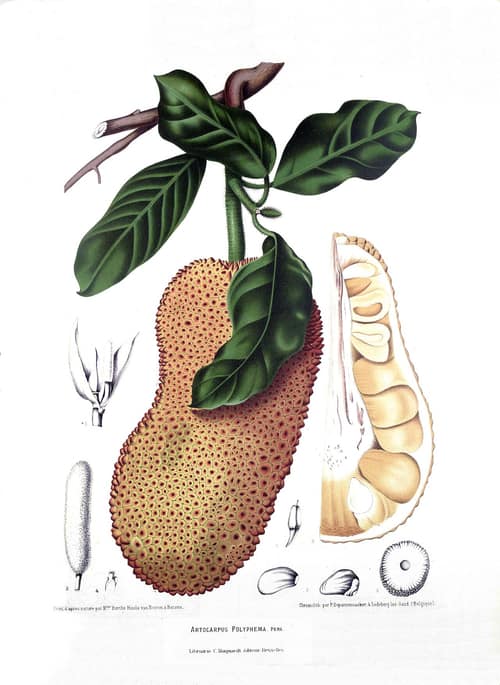
Close Relative Berthe Hoola van Nooten (1817-1892), Pieter De Pannemaeker (lithographer) / Public domain · cc0 Image unavailable
Close Relative 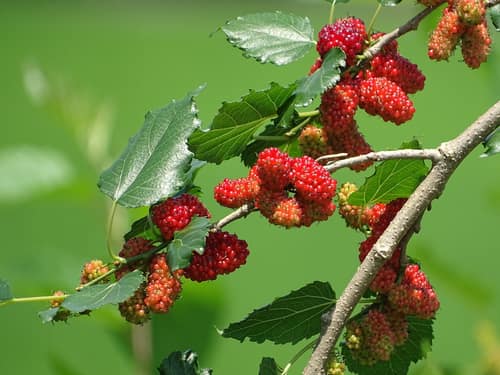
Same Family no rights reserved, uploaded by 葉子 · cc0
Help improve the field guideSomething wrong?
Checking your Fauna account…Report a name, category, or profile issue for review.