
Plant · GBIF taxon 5361889
White Mulberry
Morus albaAlso known as Common Mulberry, Silkworm Mulberry, Russian Mulberry
White mulberry trees feature glossy, highly variable leaves ranging from unlobed to deeply lobed on the same branch, driving rapid growth across diverse urban and wild landscapes. Historically cultivated as the primary food plant for silkworm caterpillars, its male flowers release pollen in explosive bursts exceeding half the speed of sound. Outside its native East Asian range, it frequently displaces native flora and readily hybridizes with local mulberry species.
DeciduousFast-GrowingWind-Pollinated
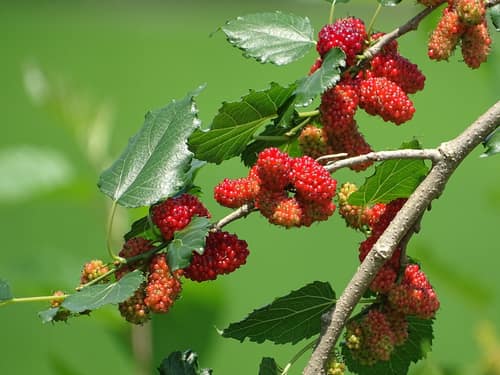
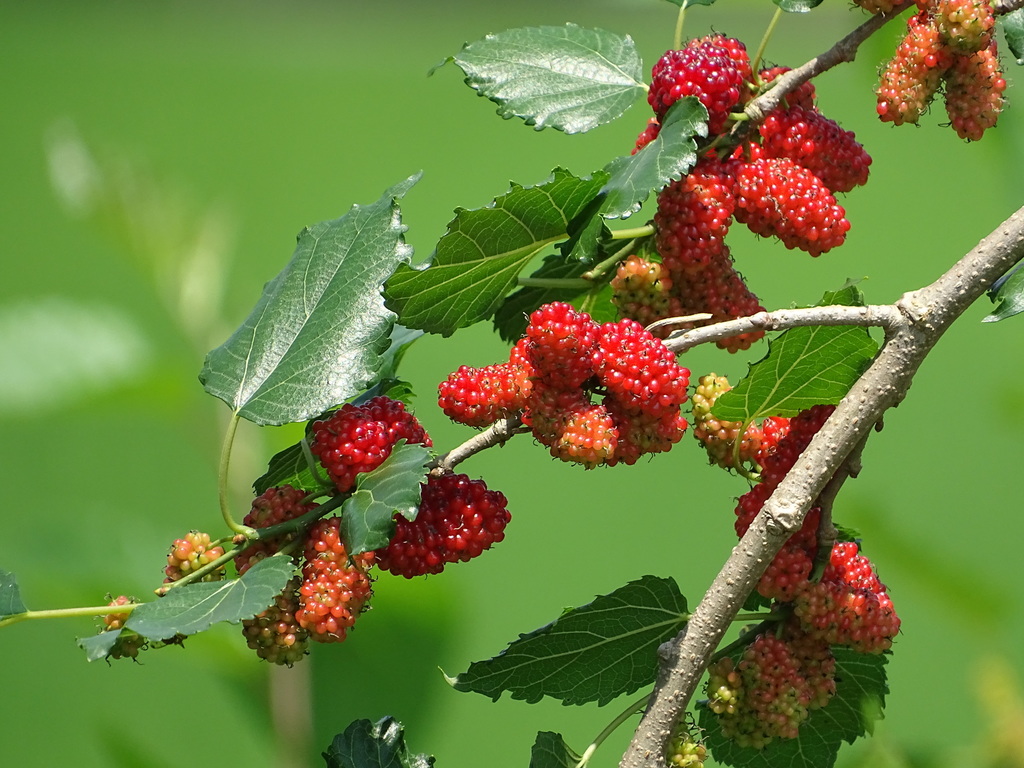
—observations
—countries
—peak records
Least ConcernConservation statusIUCN Red List categoriesLCNTVUENCREWEXLeast ConcernRed List categories, explained →
Diet & prey
- Autotrophic (Photosynthetic)
Predators
- Silkworm Moth Caterpillars
- Songbirds
- Small Mammals
ThreatsHabitat clearing, fungal pathogens
HabitatsDisturbed areas, forest edges, urban environments, riparian zones
Life span100–150 years
Size / weightNot available
Classification
- OrderRosales
- FamilyMoraceae
- GenusMorus
- SpeciesMorus alba
Range data is not available yet.
Interaction riskLow
- Low
- Moderate
- High
- Very high
- Why interaction risk is low
- Pollen triggers spring allergies, and wild berries have toxic look-alikes, so never eat wild fruits.
Responsible observation
- Identifying Leaves: Look for glossy upper leaf surfaces with varied lobing on a single branch.
- Managing Sap: Avoid contact with milky latex sap when pruning branches to prevent skin smudges.
- Observing Pollen: Watch male catkins in early spring for rapid wind dispersal bursts.
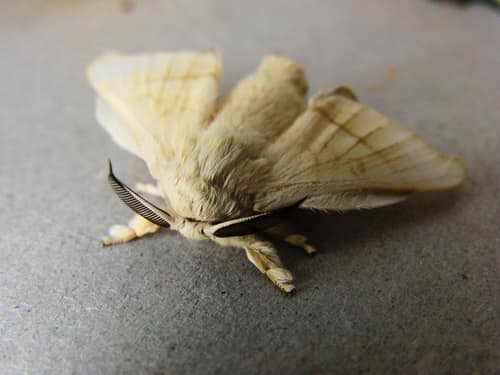
Herbivore (c) DavidHT, some rights reserved (CC BY) · cc-by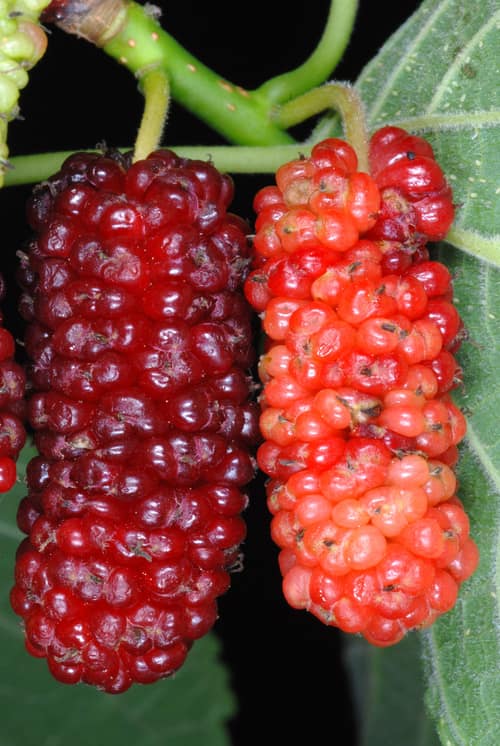
Close Relative (c) Douglas Goldman, some rights reserved (CC BY-SA), uploaded by Douglas Goldman · cc-by-sa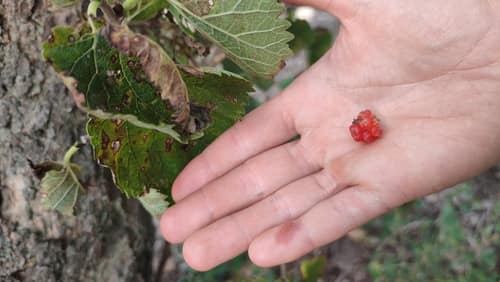
Close Relative (c) Josh, some rights reserved (CC BY) · cc-by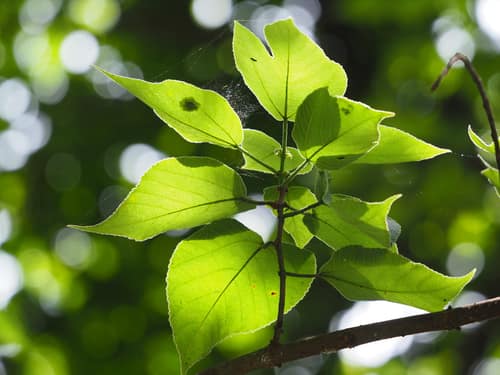
Family Member no rights reserved, uploaded by 葉子 · cc0
Help improve the field guideSomething wrong?
Checking your Fauna account…Report a name, category, or profile issue for review.