
Plant
Virginia Mountain Mint
Pycnanthemum virginianumAlso known as Common Mountain Mint, Wild Basil, Prairie Mountain Mint
Virginia mountain mint thrives in sun-drenched prairies, moist meadows, and open woodlands across eastern North America. Its wiry, square stems support dense clusters of tiny white flowers dusted with purple spots, filling the air with a clean, pungent aroma whenever brushed. This robust perennial plays a critical ecological role as an exceptional nectar source, drawing dozens of native bee species, butterflies, and beneficial predatory wasps throughout midsummer.
AromaticPollinator MagnetFlowering
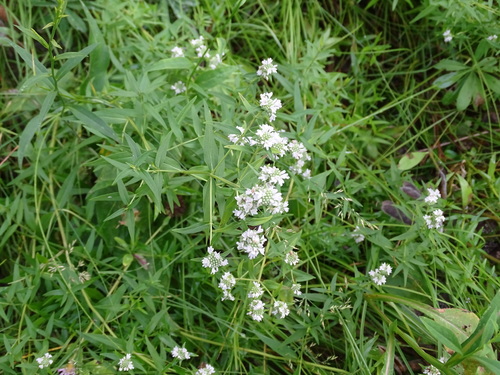
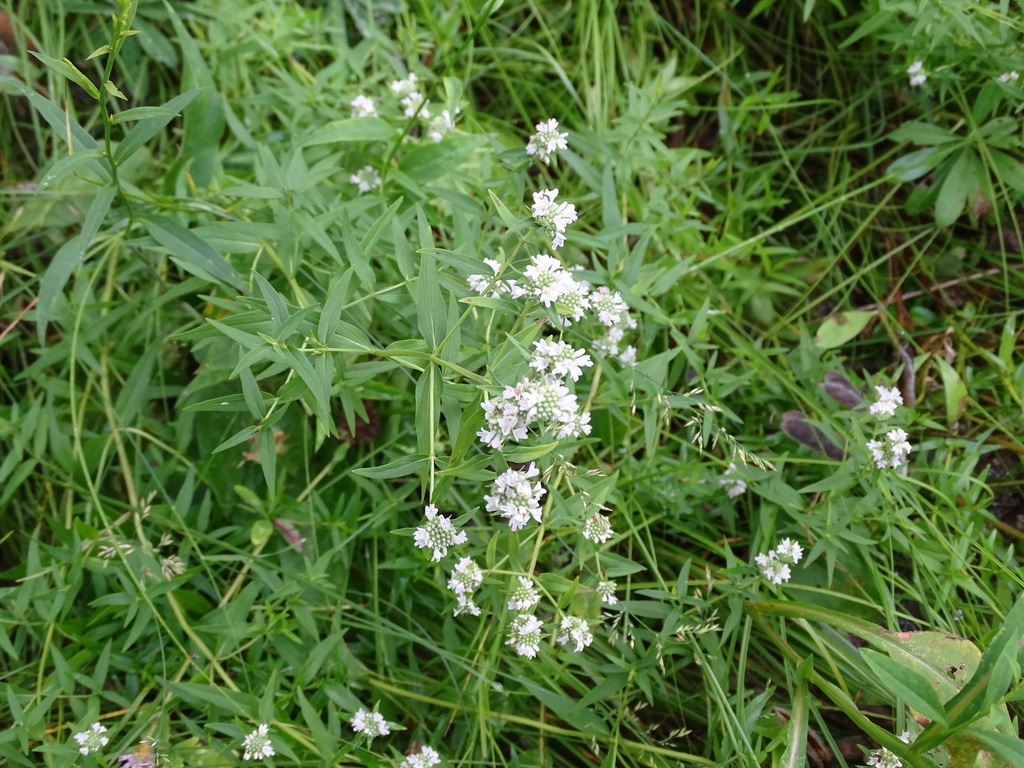
—observations
—countries
—peak records
Least ConcernConservation statusIUCN Red List categoriesLCNTVUENCREWEXLeast ConcernRed List categories, explained →
Diet & preySunlight, Water, Soil Nutrients
Predators
- Mammalian Herbivores (rarely)
- Grasshoppers
ThreatsHabitat loss, wetland drainage, invasive weed competition
HabitatsMoist prairies, wet meadows, fens, open rocky woods, stream banks
Life spanPerennial (typically 5–15+ years)
Classification
- OrderLamiales
- FamilyLamiaceae
- GenusPycnanthemum
- SpeciesPycnanthemum virginianum
Range data is not available yet.
Interaction riskLow
- Low
- Moderate
- High
- Very high
- Why interaction risk is low
- Safe to observe and handle at a normal distance.
Responsible observation
- Aroma Check: Gently rub a leaf between your fingers to release the characteristic spearmint fragrance.
- Pollinator Watching: Visit patches on warm sunny afternoons to observe diverse native bees and wasps feeding.
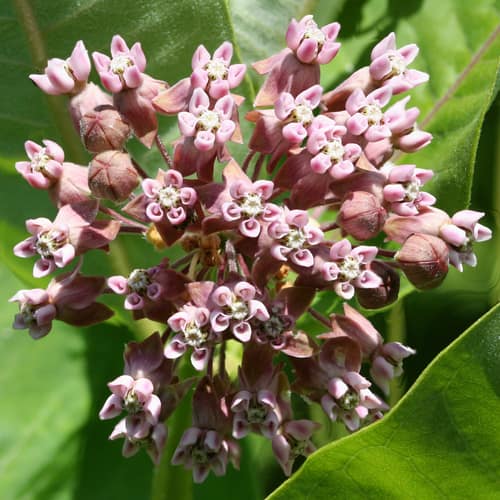
Frequent Companion (c) Randy Nonenmacher, some rights reserved (CC BY-SA) · cc-by-sa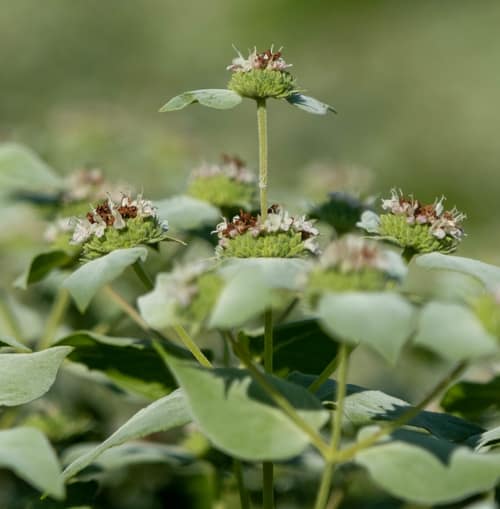
Close Relative no rights reserved, uploaded by Mirko Schoenitz · cc0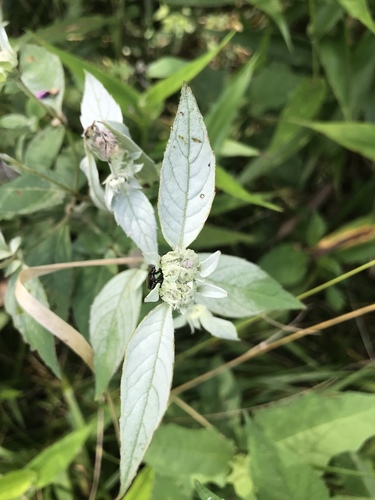
Close Relative no rights reserved · cc0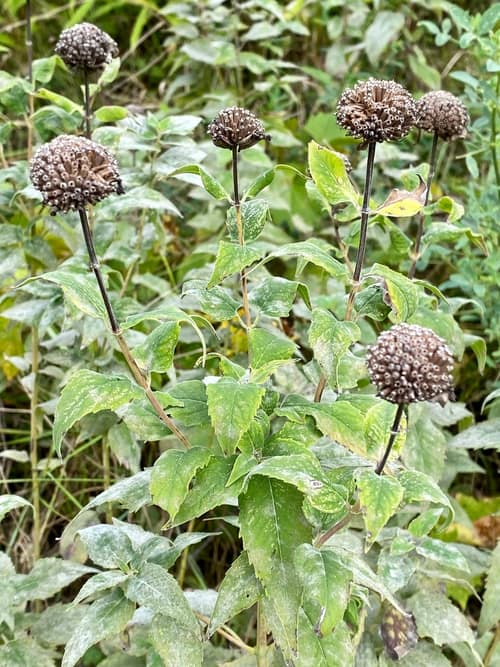
Family Member (c) tzeducation, some rights reserved (CC BY), uploaded by tzeducation · cc-by
Help improve the field guideSomething wrong?
Checking your Fauna account…Report a name, category, or profile issue for review.