
Plant · GBIF taxon 2927027
Lyreleaf Sage
Salvia lyrataAlso known as Lyre-leaved Sage, Cancerweed
Lyreleaf sage produces distinctive basal rosettes of violin-shaped leaves that often deepen to rich burgundy or purple along their central veins during cooler months. In spring, sturdy square stalks rise above the foliage to bear whorls of pale blue to lavender two-lipped blossoms specifically structured to brush pollen onto visiting bees. This tough native perennial colonizes open woods, sandy meadows, and sunny lawns across the eastern United States, often acting as a resilient groundcover.
WildflowerNativeGroundcover
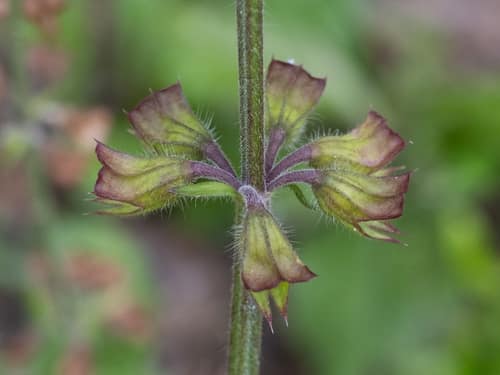
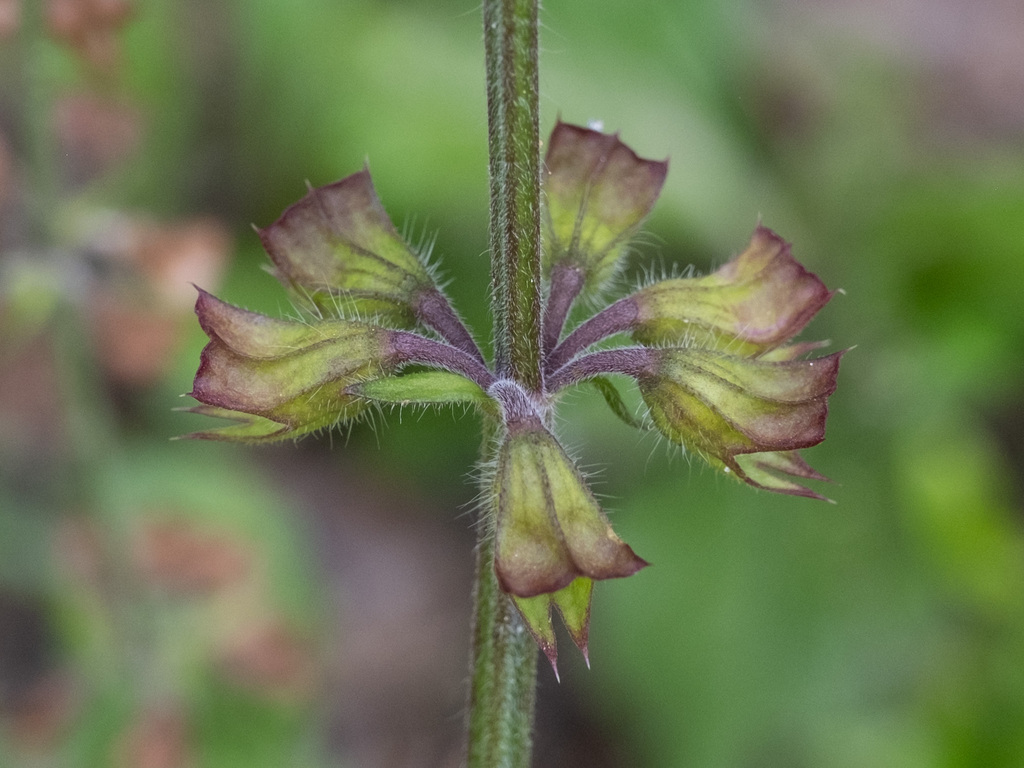
—observations
—countries
—peak records
Least ConcernConservation statusIUCN Red List categoriesLCNTVUENCREWEXLeast ConcernRed List categories, explained →
Diet & prey
- Autotrophic (Photosynthetic)
Predators
- White-tailed Deer
- Eastern Cottontail
- Grasshoppers
ThreatsBroadcast herbicide spraying, dense turf competition, severe habitat destruction
HabitatsOpen woodlands, meadows, savannas, roadsides, disturbed lawns
Life spanPerennial (3–8 years)
Size / weightNot available
Classification
- OrderLamiales
- FamilyLamiaceae
- GenusSalvia
- SpeciesSalvia lyrata
Range data is not available yet.
Interaction riskLow
- Low
- Moderate
- High
- Very high
- Why interaction risk is low
- Safe to observe at a normal distance.
Responsible observation
- Identification: Look for the lyre-shaped basal leaves with scalloped lobes and purplish central veins.
- Pollinator Gardening: Leave early spring flower stalks uncut in lawns to provide essential nectar for native bees.
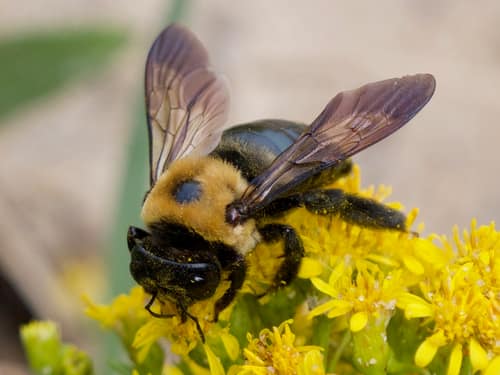
Pollinator (c) Christopher Eliot, some rights reserved (CC BY), uploaded by Christopher Eliot · cc-by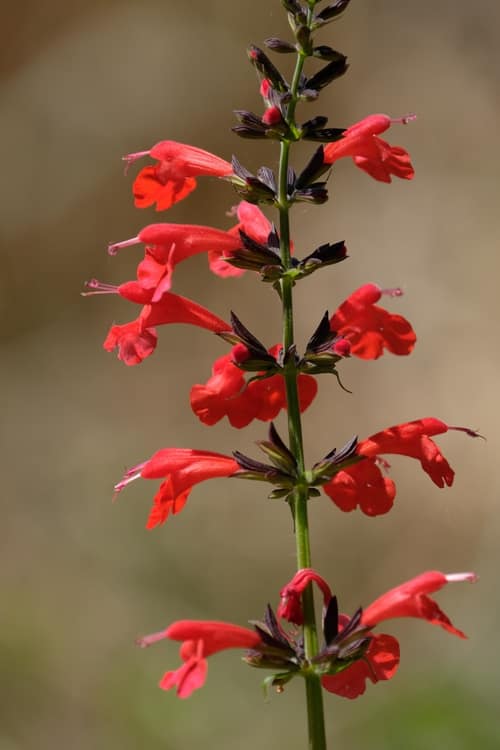
Close Relative no rights reserved, uploaded by Brady Reed · cc0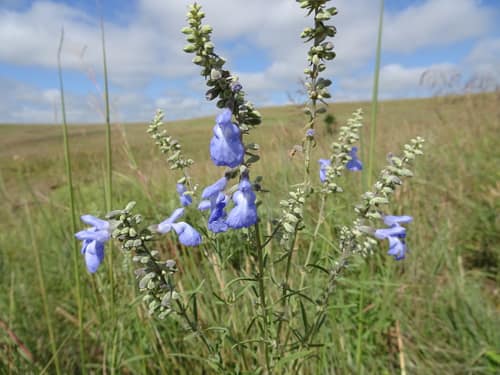
Close Relative (c) Thomas Koffel, some rights reserved (CC BY), uploaded by Thomas Koffel · cc-by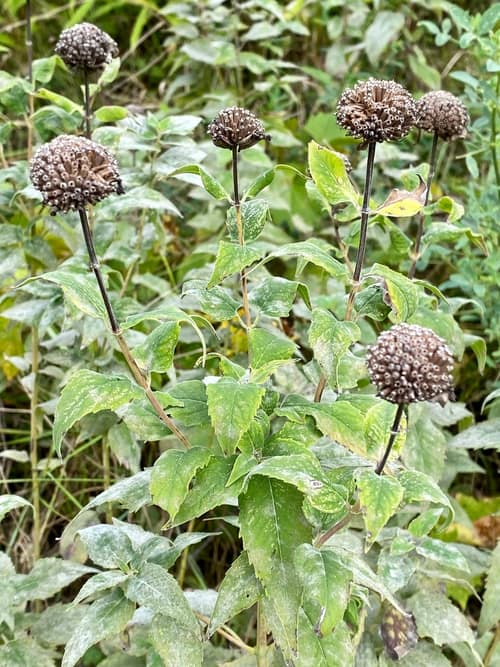
Same Family (c) tzeducation, some rights reserved (CC BY), uploaded by tzeducation · cc-by
Help improve the field guideSomething wrong?
Checking your Fauna account…Report a name, category, or profile issue for review.