
Plant
Checkered Rattlesnake Plantain
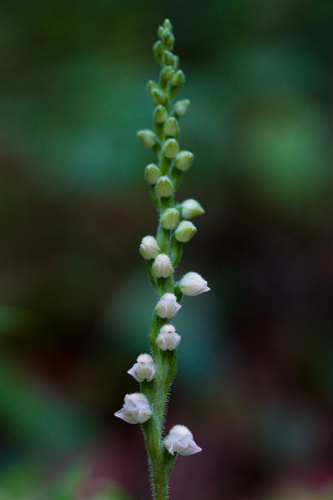
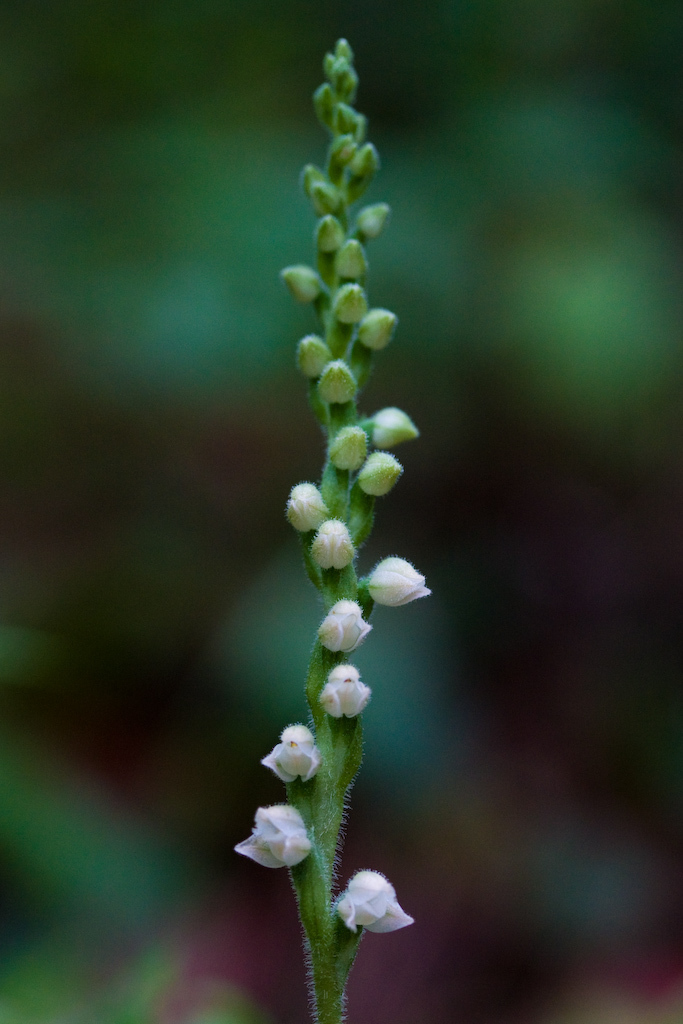
Goodyera tesselataCheckered rattlesnake plantain is an evergreen woodland orchid whose basal rosettes of dark blue-green leaves are etched with pale, net-like veining. In mid-to-late summer, a slender, fuzzy stalk rises from the rosette to display a loose, often slightly spiraling spike of small creamy-white flowers. Beneath shaded conifer and mixed-hardwood canopies, the plant depends on symbiotic soil fungi to nourish its dust-like seeds and sustain its shallow roots.
EvergreenOrchidForest Floor
—observations
—countries
—peak records
Not EvaluatedConservation statusIUCN Red List categoriesLCNTVUENCREWEXNot Evaluated — not placed on the risk ladderRed List categories, explained →
Diet & preySunlight, Soil water, Mycorrhizal fungi
Predators
- White-tailed deer
- Slugs
- Snails
ThreatsHabitat loss, logging, deer browsing, and soil disturbance
HabitatsMoist to dry coniferous and mixed-hardwood forests across eastern Canada and the northeastern United States
Life spanPerennial (several years per rosette, spreading slowly by rhizomes)
Classification
- FamilyOrchidaceae
- SpeciesGoodyera tesselata
Range data is not available yet.
Interaction riskLow
- Low
- Moderate
- High
- Very high
- Why interaction risk is low
- Safe to observe at a normal distance.
Responsible observation
- Leaf Pattern: Look for the pale, net-like veining on the evergreen basal leaves to spot rosettes year-round.
- Flower Spike: Search conifer woods in July and August for a loose, sometimes one-sided spiral of small white blooms.
- Tread Lightly: Keep to established trails so you do not crush shallow roots or disturb the soil fungi it needs.
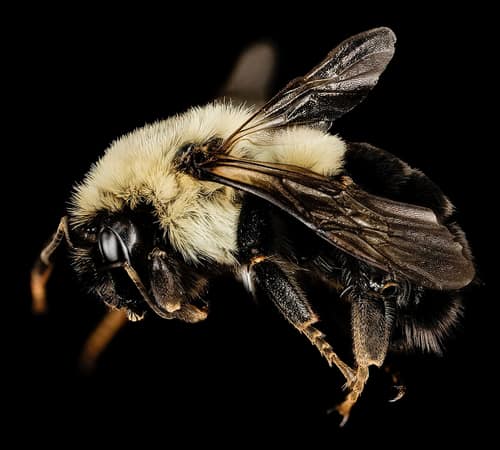
Pollinator USGS Bee Inventory and Monitoring Lab from Beltsville, Maryland, USA / Public domain · cc0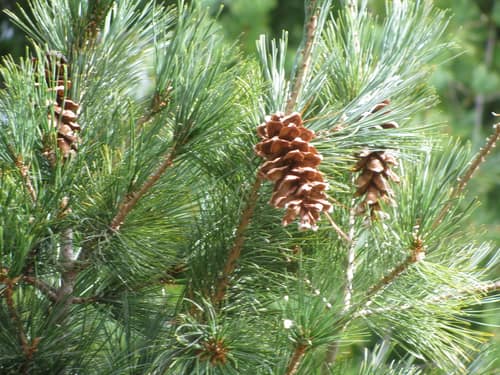
Habitat Associate (c) Forest and Kim Starr, some rights reserved (CC BY) · cc-by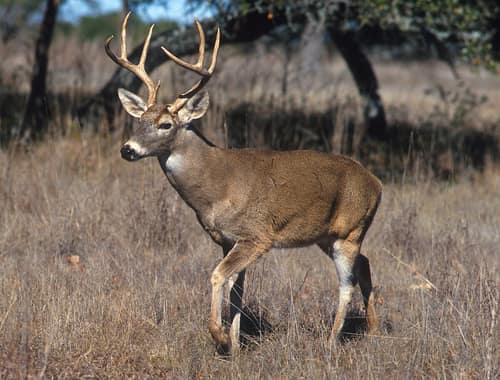
Herbivore USDA photo by Scott Bauer / Public domain · cc0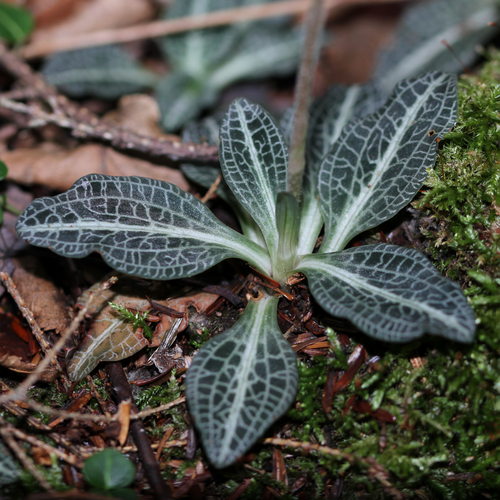
Close Relative (c) Nicholas Wei, some rights reserved (CC BY-SA), uploaded by Nicholas Wei · cc-by-sa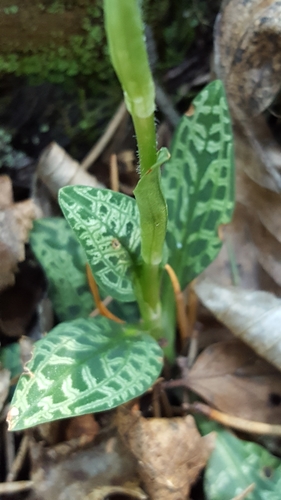
Close Relative (c) Norma Malinowski, some rights reserved (CC BY), uploaded by Norma Malinowski · cc-by
Help improve the field guideSomething wrong?
Checking your Fauna account…Report a name, category, or profile issue for review.