
Plant · GBIF taxon 2735117
Coconut Palm
Cocos nuciferaAlso known as Coconut Tree, Coco Palm
Coconut palms thrive on sandy tropical shores, relying on buoyant, salt-resistant fruit that can drift thousands of miles across oceans to colonize distant coastlines. Feathery fronds extend in graceful crowns above slanting, flexible trunks designed to bend with tropical storm winds rather than snap. These iconic trees play a vital ecological role in coastal erosion control while providing shade and nesting sites for littoral wildlife.
TreeTropicalCoastal
 1 / 7
1 / 7—observations
—countries
—peak records
Not EvaluatedConservation statusIUCN Red List categoriesLCNTVUENCREWEXNot Evaluated — not placed on the risk ladderRed List categories, explained →
Diet & prey
- Autotrophic (Photosynthetic)
Predators
- Coconut Crab
- Coconut Rhinoceros Beetle
- Black Rat
ThreatsLethal yellowing disease, extreme storm surges, coastal development
HabitatsCoastal beaches, tropical lowlands, coral atolls, littoral forests
Life span60–100 years
Size / weightNot available
Classification
- OrderArecales
- FamilyArecaceae
- GenusCocos
- SpeciesCocos nucifera
Range data is not available yet.
Interaction riskLow
- Low
- Moderate
- High
- Very high
- Why interaction risk is low
- Wild fruits have toxic look-alikes; never eat based on app identification alone.
Responsible observation
- Overhead Safety: Avoid standing or lingering directly beneath mature palms laden with heavy fruit.
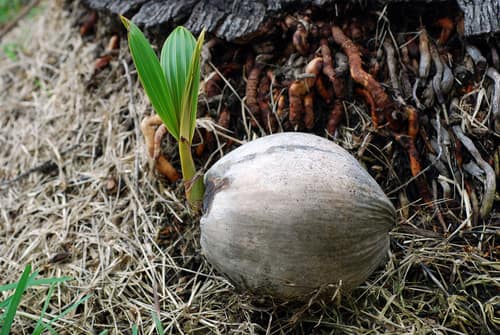
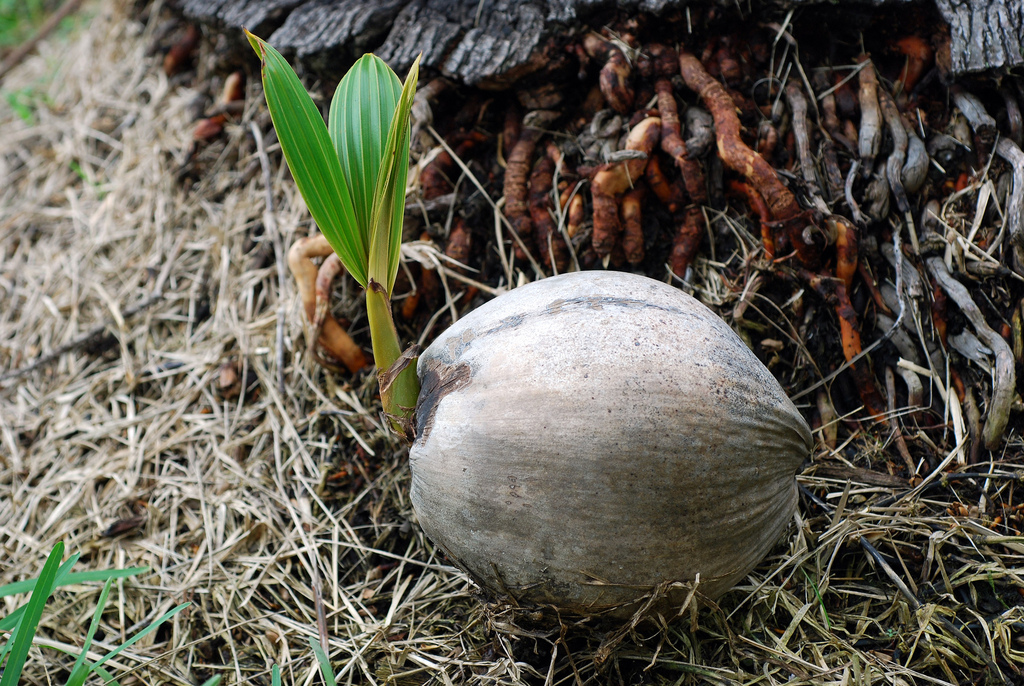
- Observing Seedlings: Look for young shoots sprouting directly from sea-cast husks along coastal beaches.
- Crown Scanning: Check high frond axils for nesting birds and roosting arboreal reptiles.
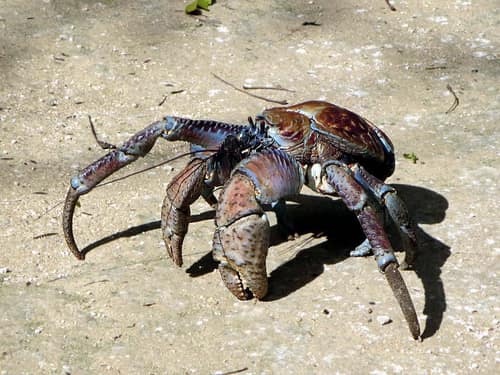
Fruit Feeder (c) David Stanley, some rights reserved (CC BY) · cc-by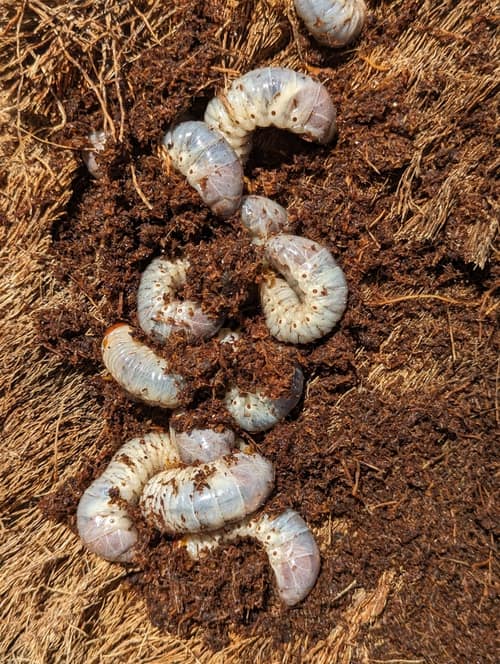
Herbivore (c) Ken Puliafico, some rights reserved (CC BY), uploaded by Ken Puliafico · cc-by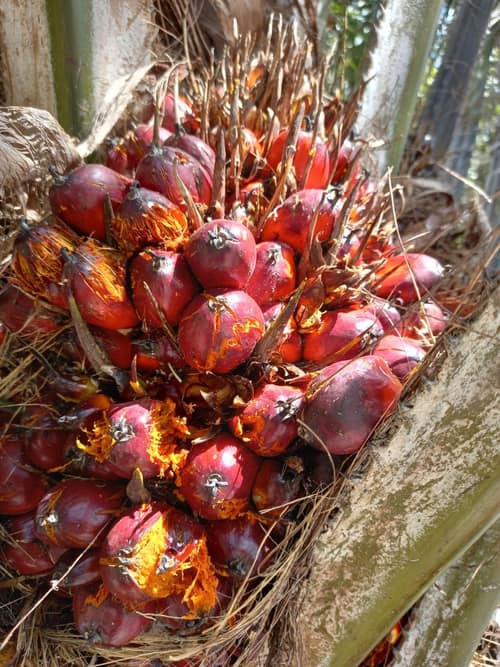
Close Relative (c) Fabrício Mil Homens Riella, some rights reserved (CC BY), uploaded by Fabrício Mil Homens Riella · cc-by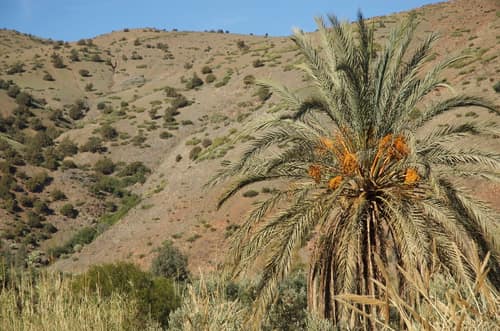
Close Relative (c) Ashley Basil, some rights reserved (CC BY) · cc-by
Help improve the field guideSomething wrong?
Checking your Fauna account…Report a name, category, or profile issue for review.