
Plant · GBIF taxon 6109699
Date Palm
Phoenix dactyliferaAlso known as Arabian Date Palm, True Date Palm, Egyptian Date
Date palms thrive in arid desert oases where deep root systems tap underground aquifers while crowns soak in blazing sunlight. These tall, single-trunked trees are dioecious, meaning male and female flowers grow on separate individuals, requiring wind or human intervention to set fruit. Cultivated for thousands of years, they shape oasis microclimates by providing canopy shade that allows lower-tier crops and understory plants to flourish in extreme heat.
AridFruit BearingAncient Crop
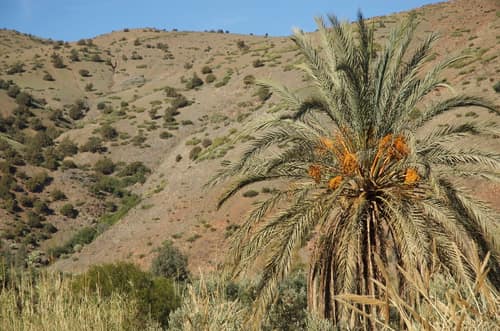
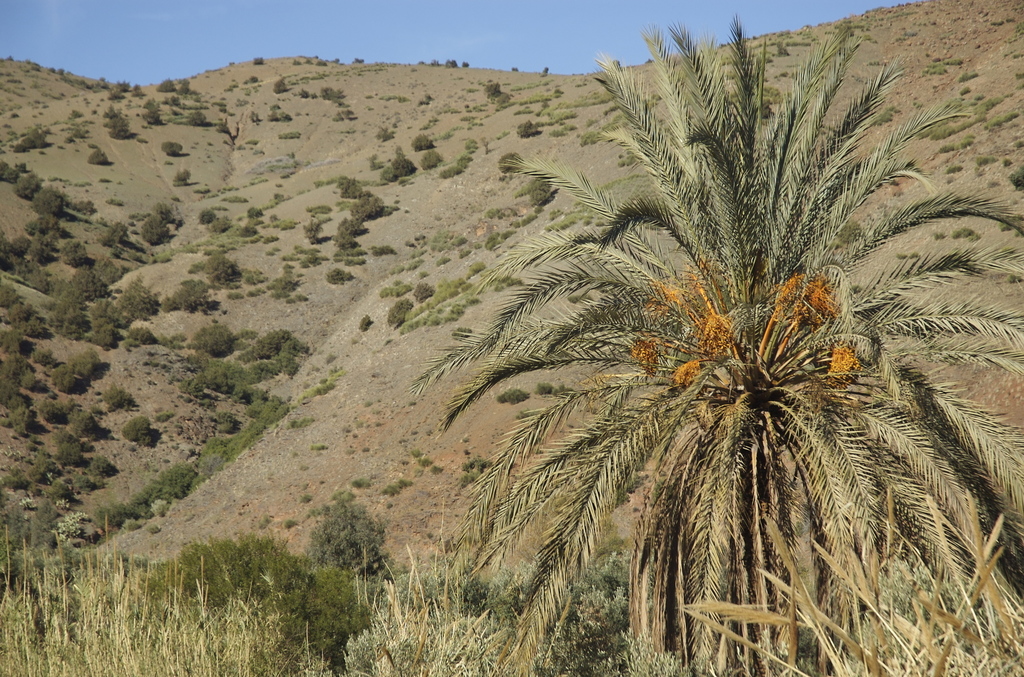
—observations
—countries
—peak records
Not EvaluatedConservation statusIUCN Red List categoriesLCNTVUENCREWEXNot Evaluated — not placed on the risk ladderRed List categories, explained →
Diet & prey
- Autotrophic (Photosynthetic)
Predators
- Red Palm Weevil
- Desert Locust
- Fruit Bats
ThreatsRed palm weevil infestations, groundwater depletion, fungal wilt diseases
HabitatsDesert oases, river valleys, arid agricultural lands, coastal Mediterranean regions
Life span100–150 years
Size / weightNot available
Classification
- OrderArecales
- FamilyArecaceae
- GenusPhoenix
- SpeciesPhoenix dactylifera
Range data is not available yet.
Interaction riskLow
- Low
- Moderate
- High
- Very high
- Why interaction risk is low
- Wild palm fruits have toxic look-alikes; never eat wild fruits based on app identification alone.
Responsible observation
- Pruning precautions: Beware of needle-sharp spines along the bases of lower fronds when trimming.
- Pollination timing: Observe spring flower clusters, which growers hand-dust with pollen from male trees.
- Root zone care: Provide deep, periodic watering at the roots while keeping canopy air dry.
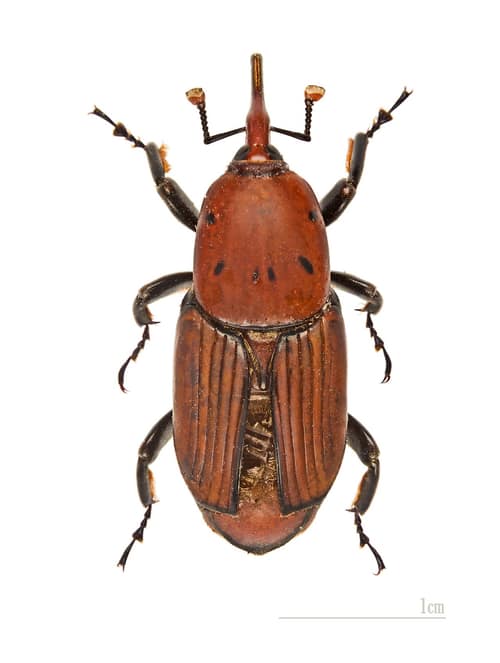
Pest Didier Descouens / CC BY-SA 4.0 · cc-by-sa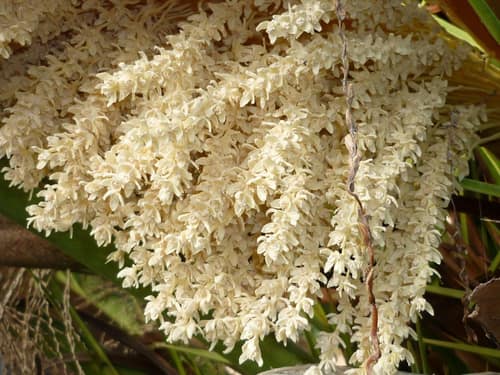
Close Relative (c) Jesús Cabrera, some rights reserved (CC BY) · cc-by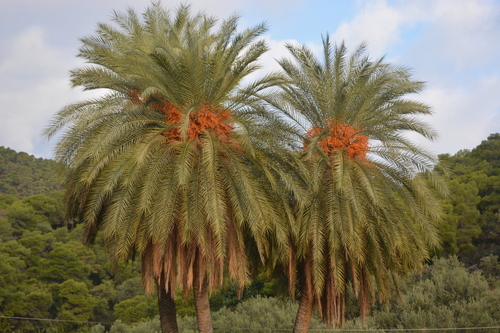
Close Relative (c) Ashley Basil, some rights reserved (CC BY) · cc-by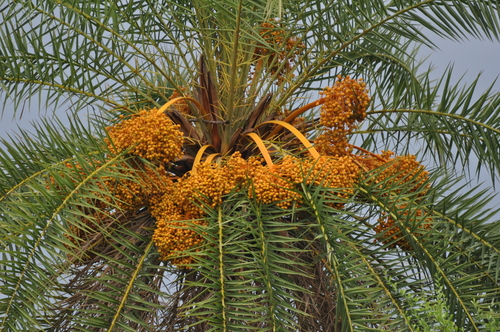
Close Relative (c) Hari Prasad Nadig, some rights reserved (CC BY-SA) · cc-by-sa
Help improve the field guideSomething wrong?
Checking your Fauna account…Report a name, category, or profile issue for review.